
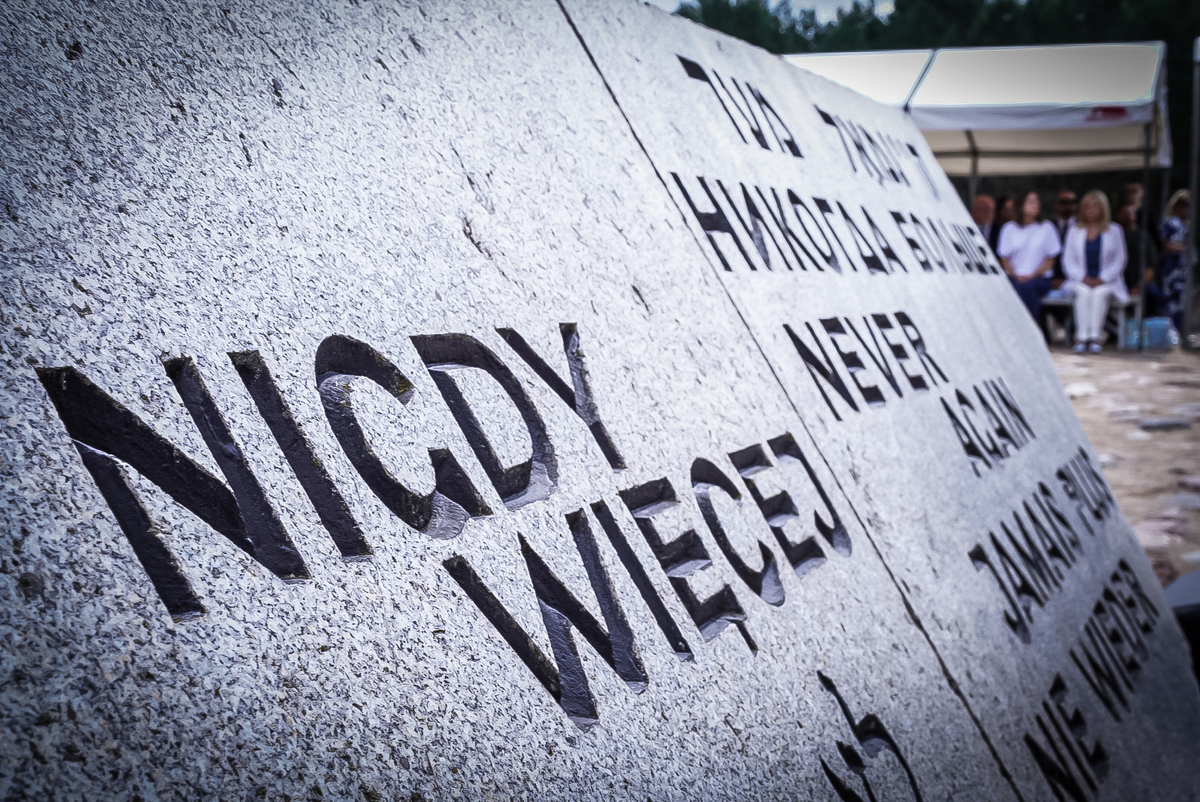
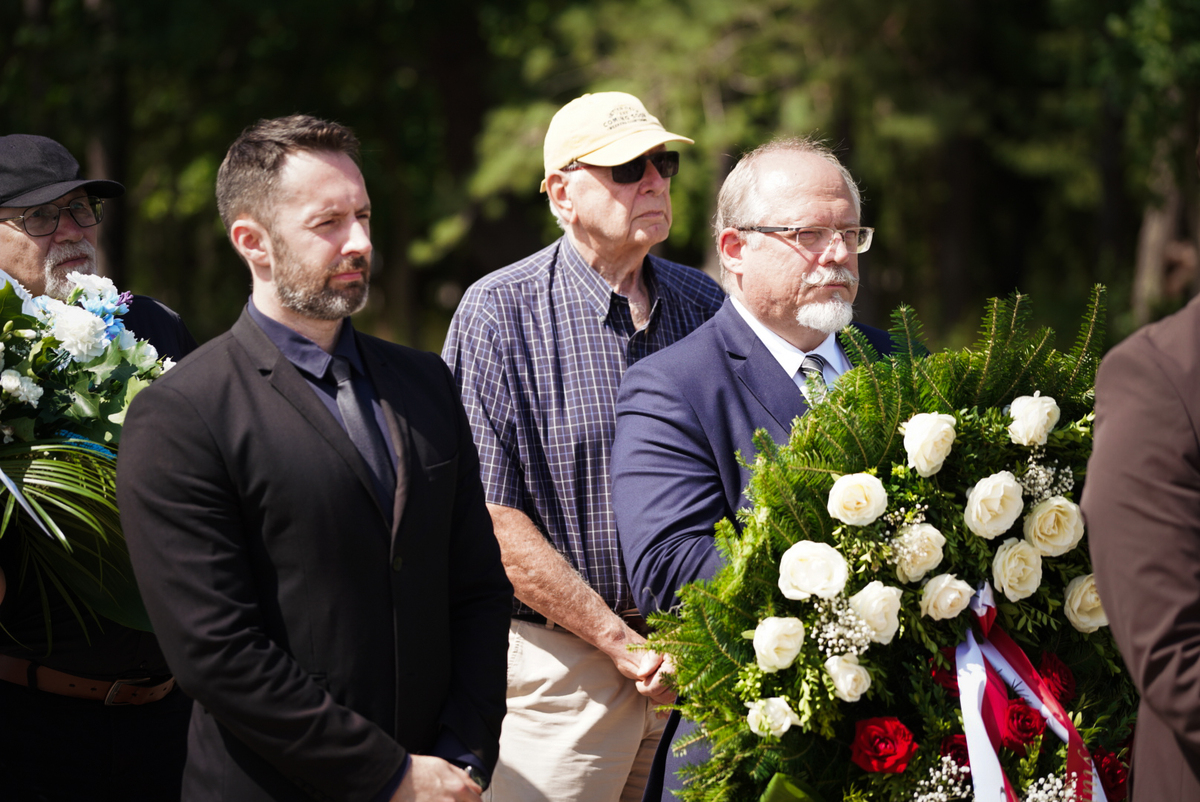
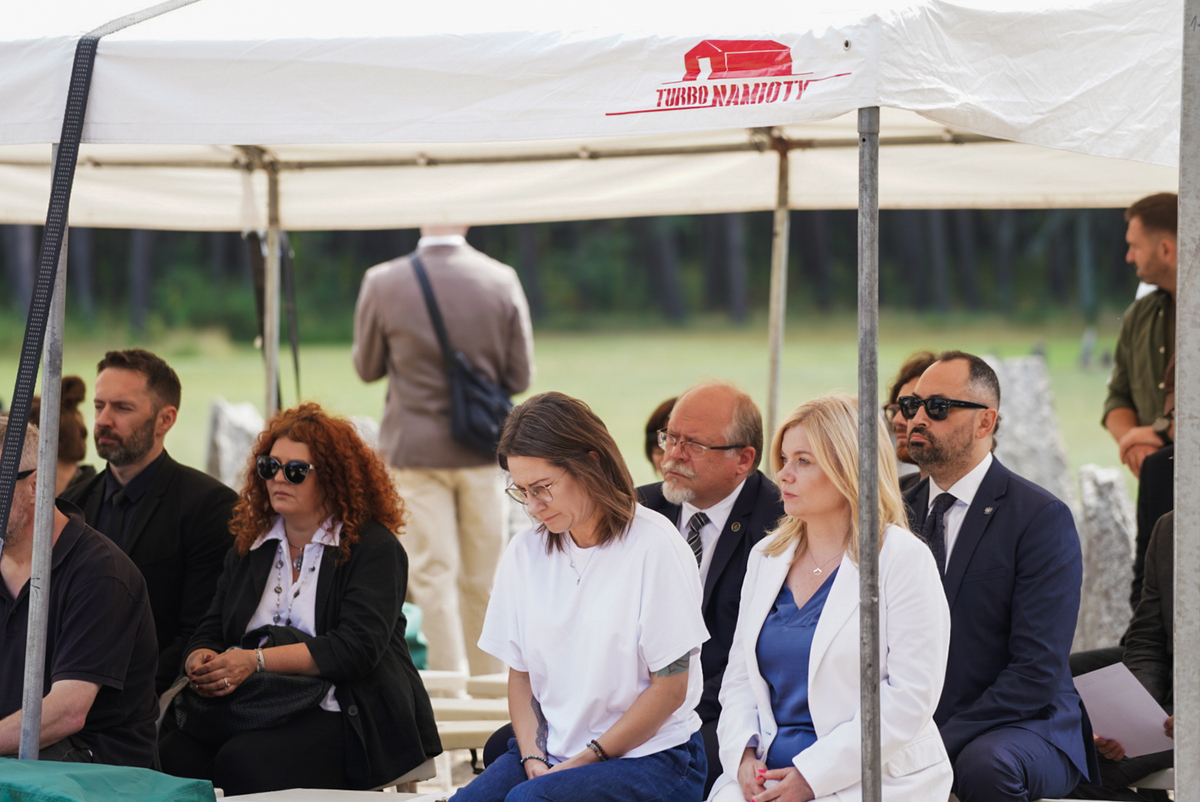
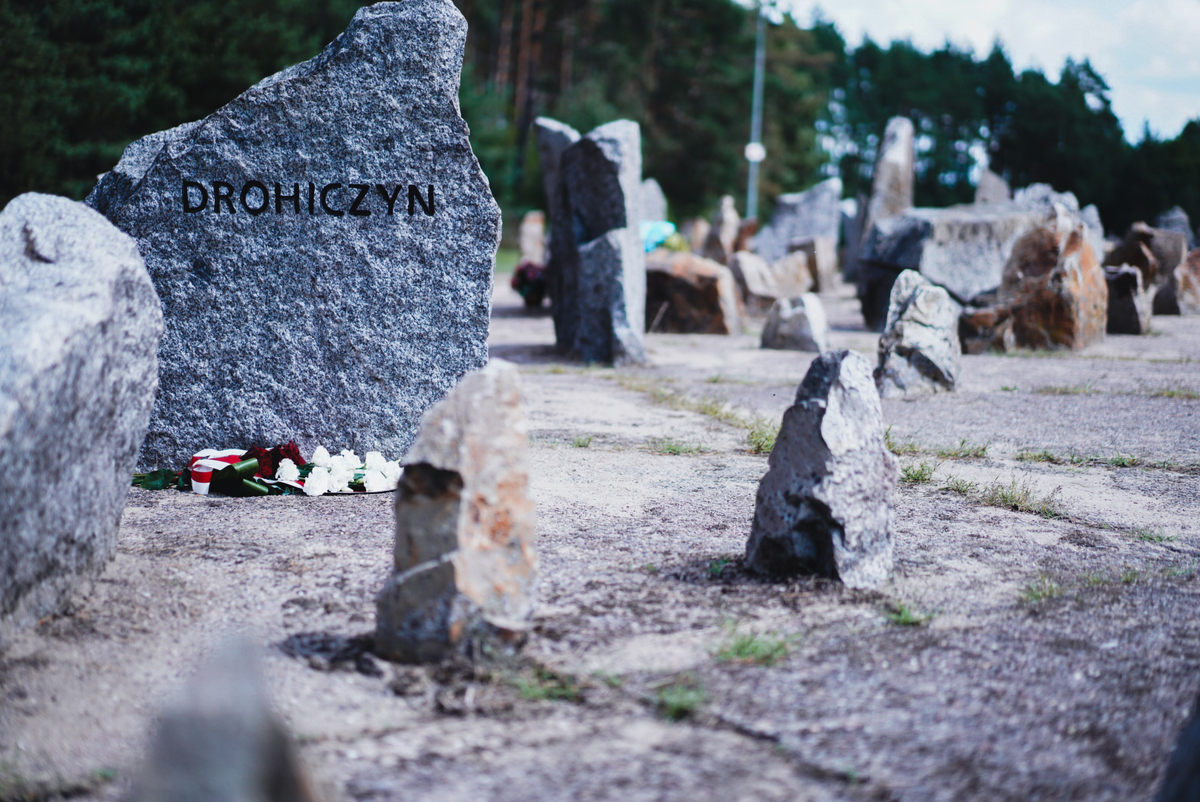
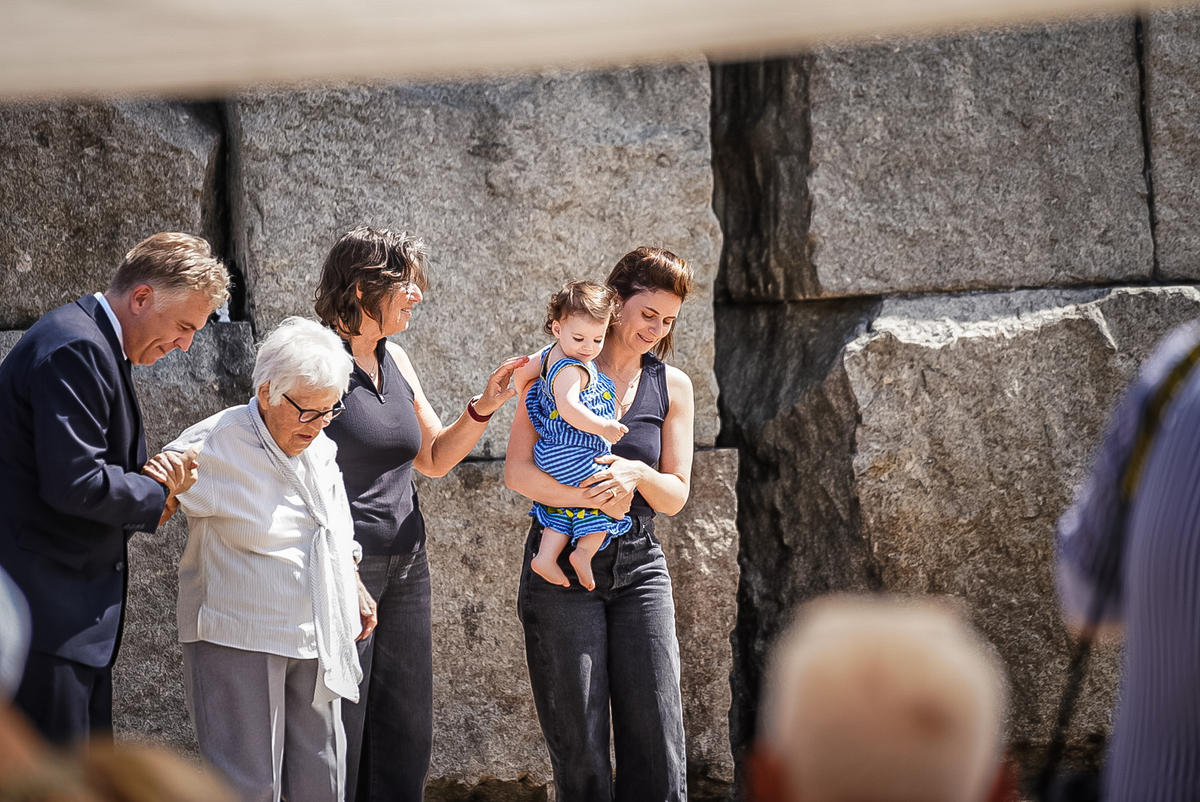
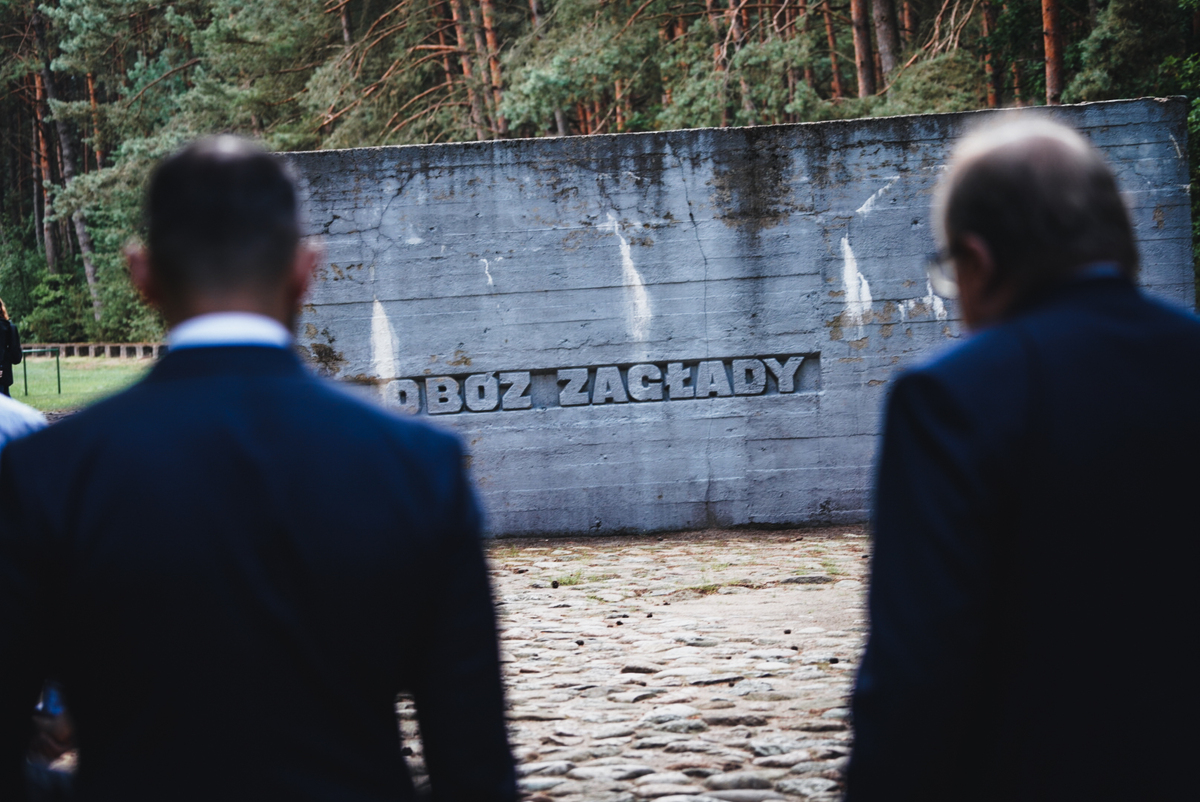
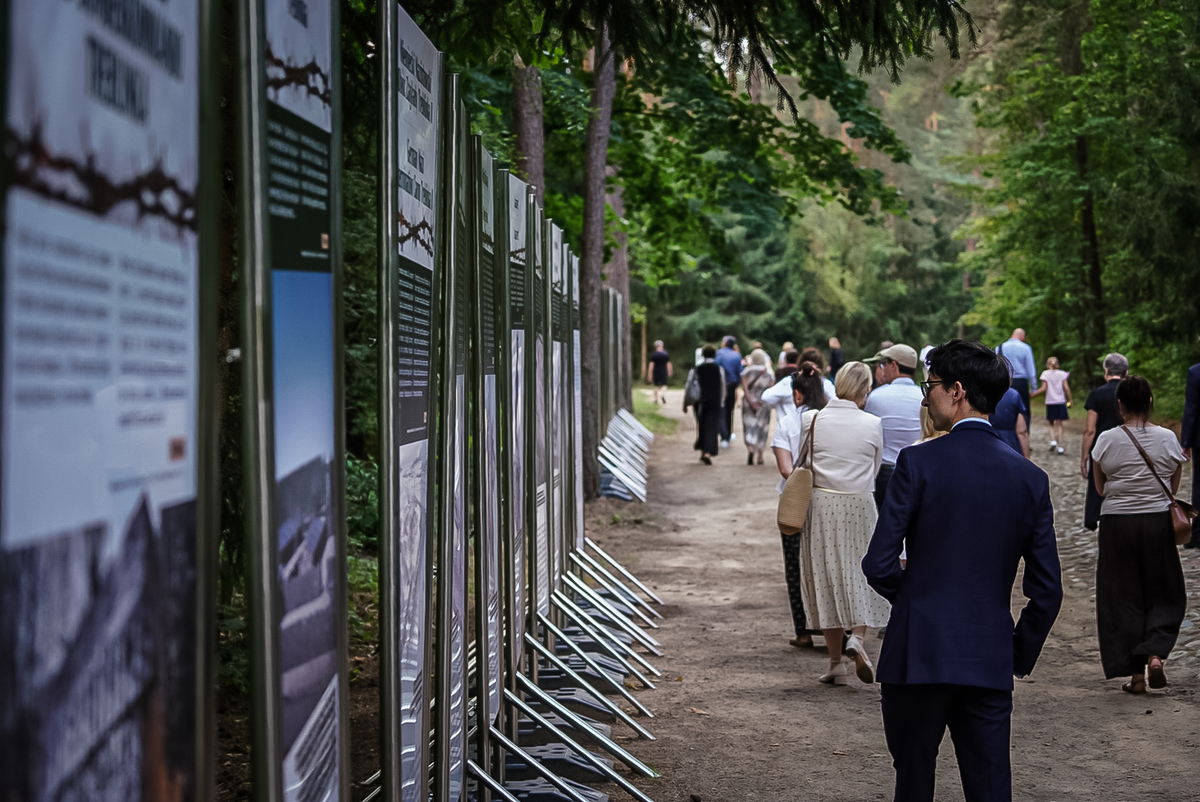
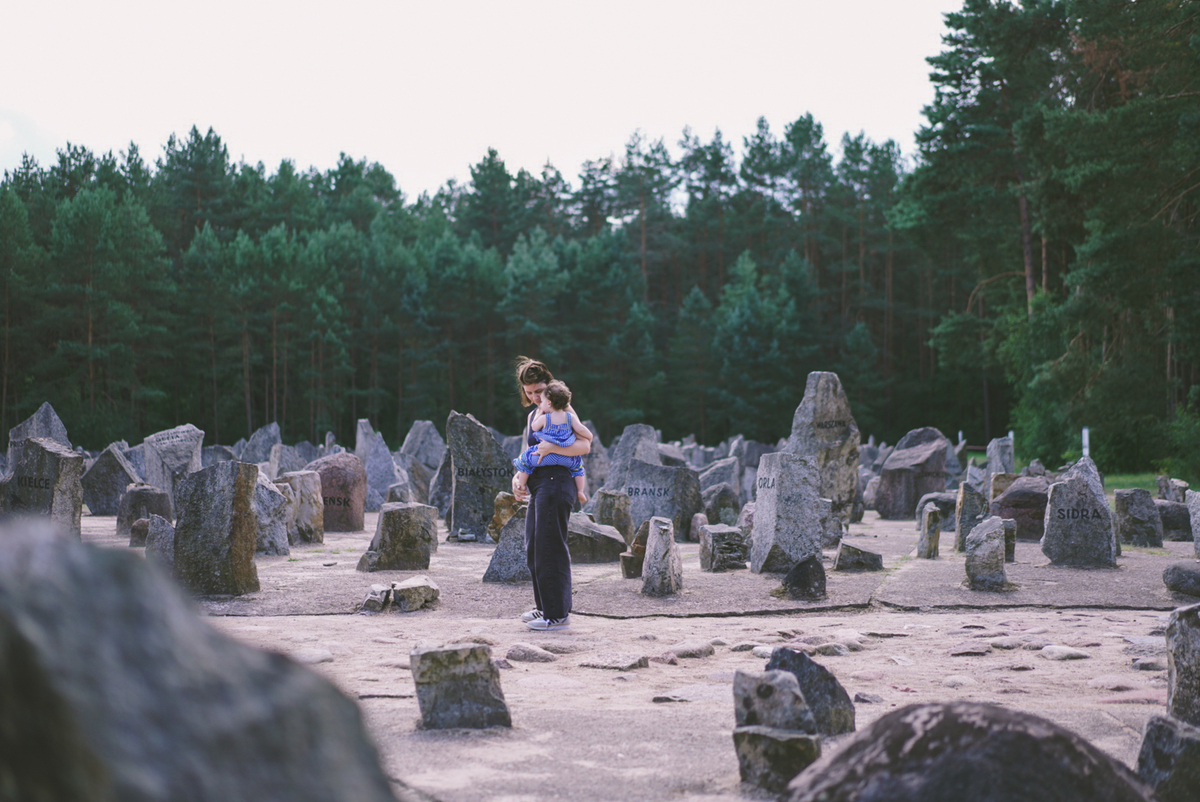
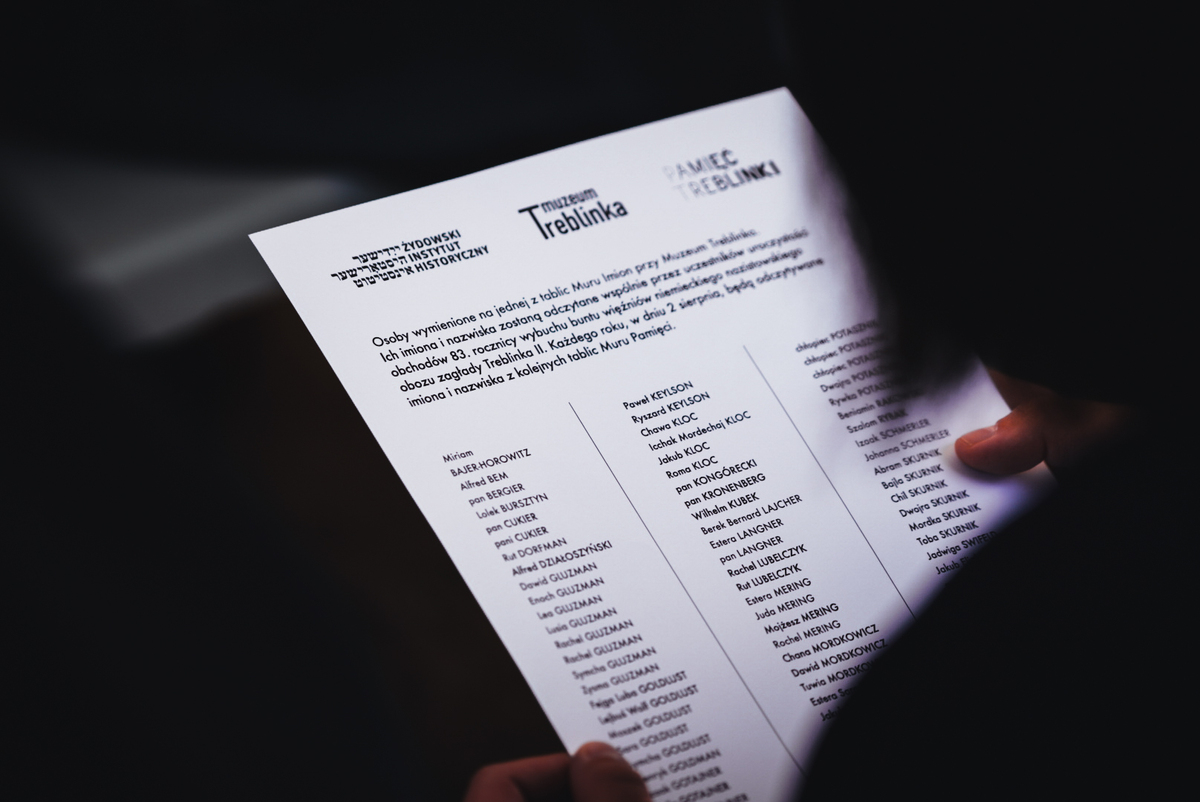
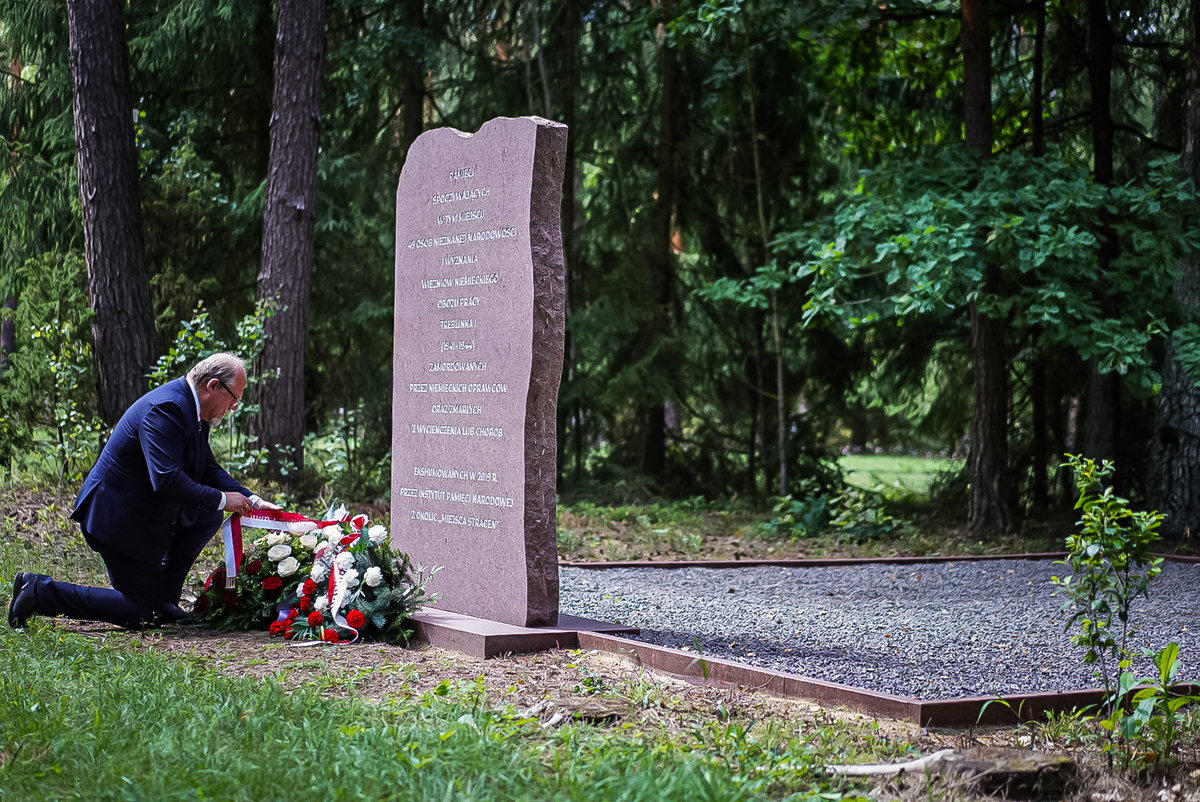
The IPN representatives took part in the ceremony marking the 83rd anniversary of the prisoner uprising at the German extermination camp Treblinka II. The commemorations brought together Holocaust survivors and their families, state and local officials, diplomats, members of the clergy, and guests from Poland and abroad to honour the victims and those who resisted in the face of unimaginable terror.
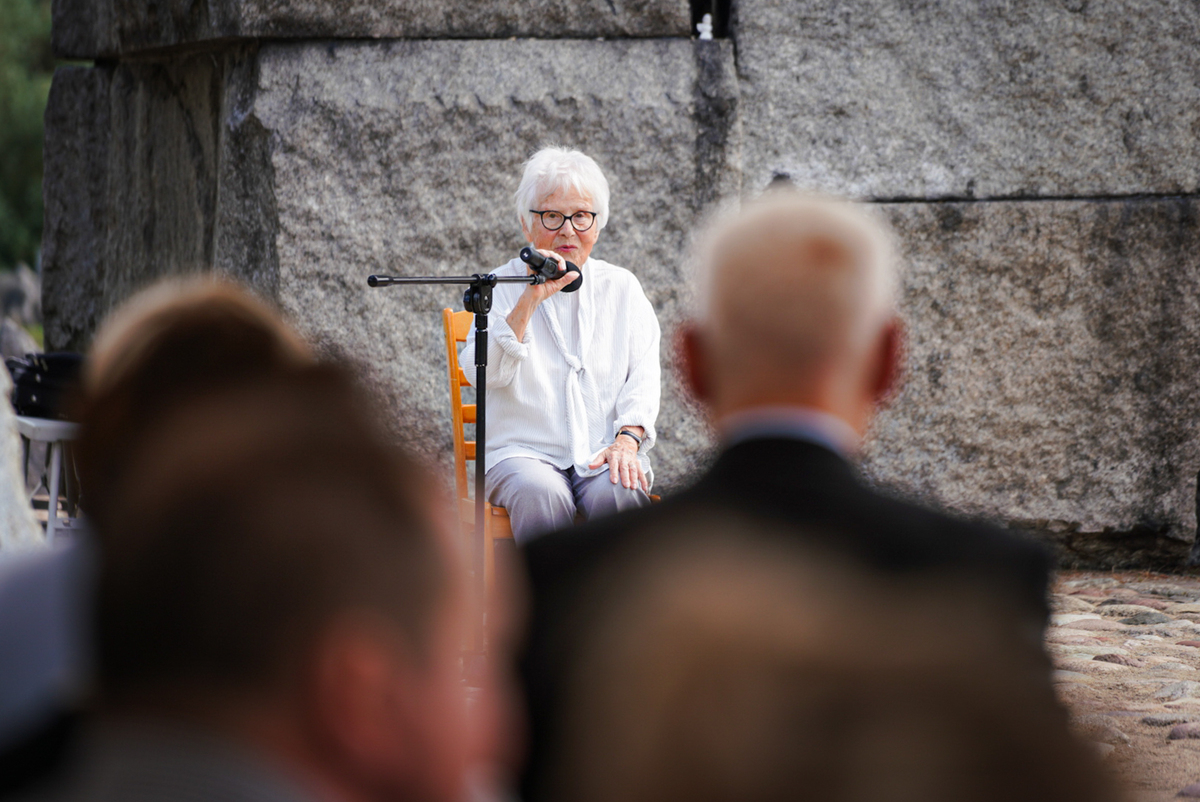
A special guest of the commemorations was Ada Krystyna Willenberg, Holocaust survivor and guardian of memory. She is the widow of Samuel Willenberg, one of the prisoners who escaped from Treblinka II during the uprising of 2 August 1943 and later became one of its most prominent witnesses. Through her continued participation in commemorative events, Ada Willenberg helps preserve the memory of the victims and survivors of the camp.During the ceremony, wreaths and flowers were laid, prayers were offered, and tributes were paid to the victims of the camp. Participants also attended a commemorative artistic performance
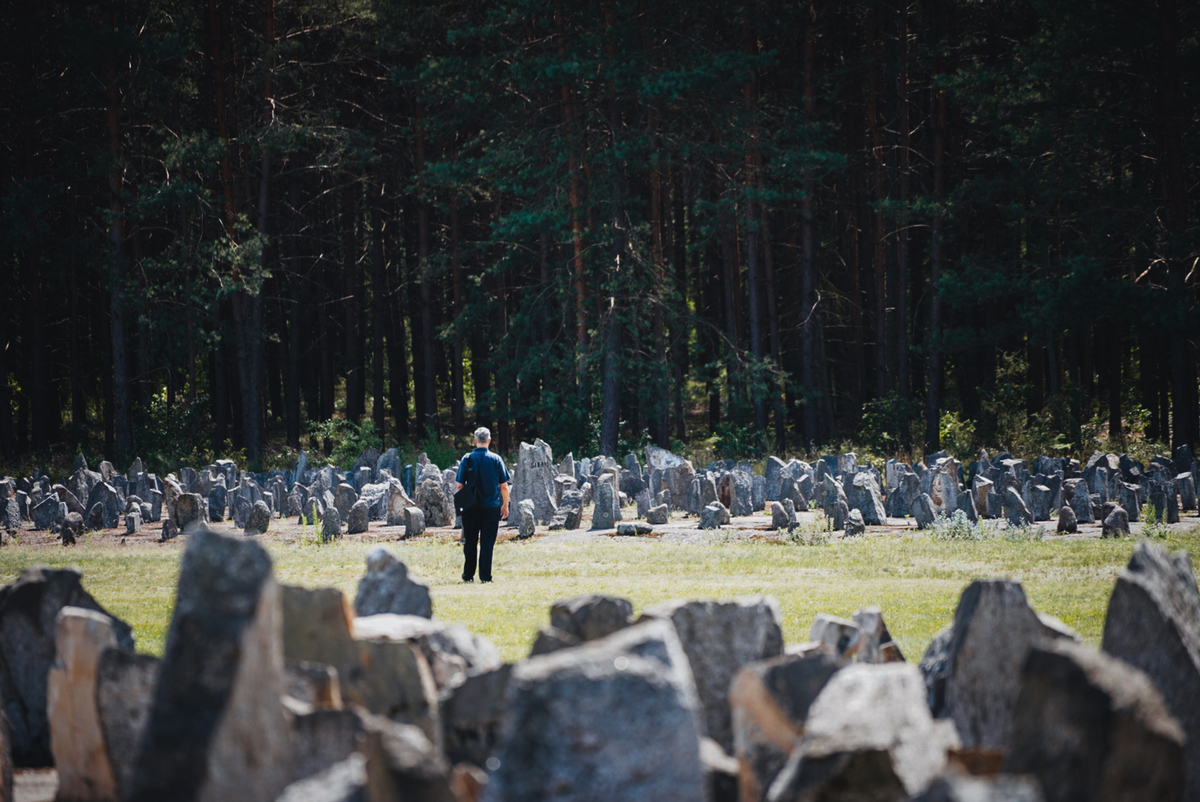
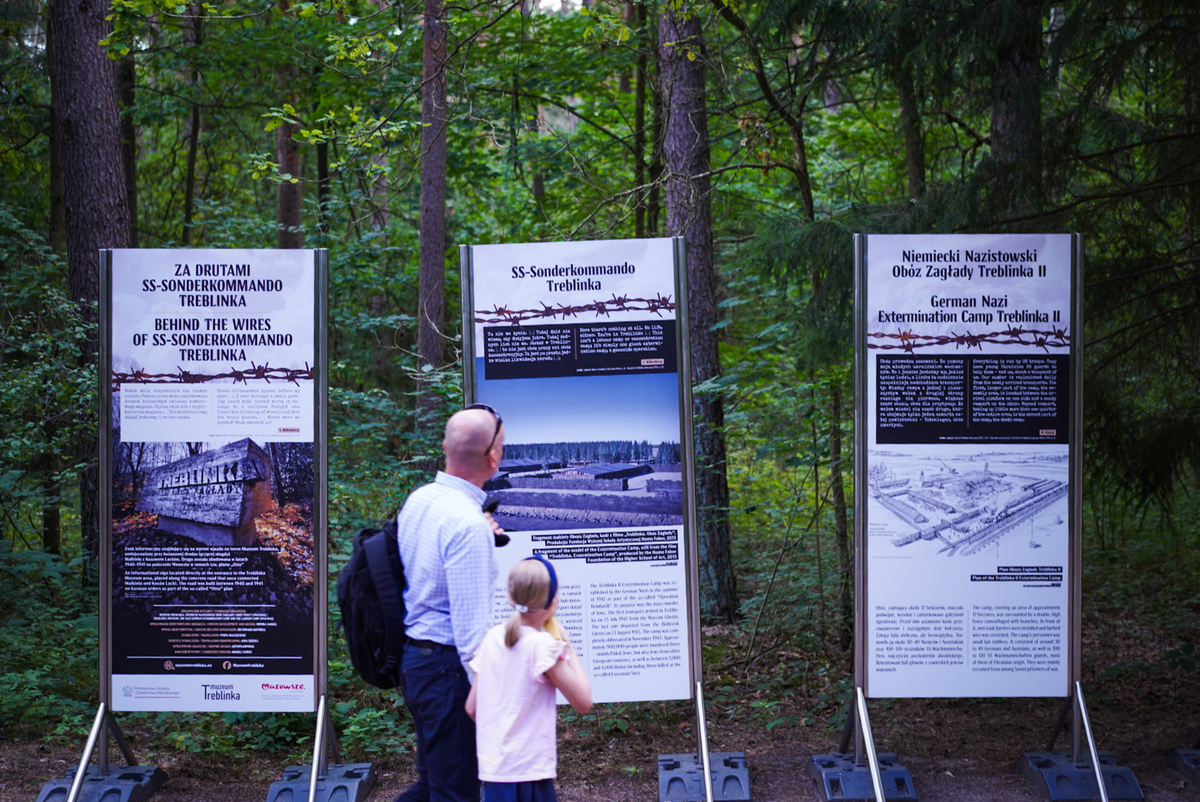
Treblinka II was one of the largest German extermination camps established during the Holocaust. Between 1942 and 1943, hundreds of thousands of Jews were murdered there as part of Operation Reinhard. The prisoner uprising of 2 August 1943 was a remarkable act of courage and resistance against the machinery of extermination. Today, the Treblinka Museum and Memorial Site stands as a place of remembrance, reflection, and education, preserving the memory of those who perished and those who fought to survive.
„I am stuck in Treblinka my whole life. Wherever I go, Treblinka goes with me” – recounted Samuel Willenberg, one of the participants of the Treblinka uprising, many decades after the war.
On 2 August 1943, the revolt in Treblinka II death camp began with the prisoners setting fire to camp buildings and attacking the guards.It was one of the most important acts of resistance by Jews during the Holocaust.Treblinka was one of the main German death camps established as part of the so-called Operation Reinhardt (Aktion Reinhardt), in which Jews from Central Poland, called the General Government, were murdered. The camp was located in the Warsaw District (Distrikt Warschau), Sokołów County (Kreishauptmannschaft Sokolow).
About 900,000 Jews were murdered in the Treblinka death camp. Although most victims were deported from German-occupied Poland, tens of thousands were also sent to Treblinka from other parts of Europe.
A conspiracy led by Julian Chorążycki, a physician from Warsaw, was set up among the Jewish work commandos. On 2 August 1943, following the example of the Warsaw Ghetto insurgents, the inmates mounted armed resistance. More than 700 prisoners took part in the revolt, about 200 managed to escape from the camp, and nearly 100 survived the war. One of them was Samuel Willenberg – a soldier of the Polish Army, sculptor, writer, and Holocaust survivor.In October 1942, he arrived at the Treblinka camp in a transport of 6,000 Jews deported from the Opatów ghetto. Most perished immediately; he was the only one who remained alive.He left behind a unique artistic legacy – a series of sculptures depicting the lives of Treblinka prisoners and the rebellion they raised in order to save their dignity and be able to tell the world about the Holocaust.
In January 2020, the Institute of National Remembrance initiated an exhibition and educational project on the basis of sculptures by Samuel Willenberg, depicting people and situations he remembered particularly vividly during his imprisonment at Treblinka.