
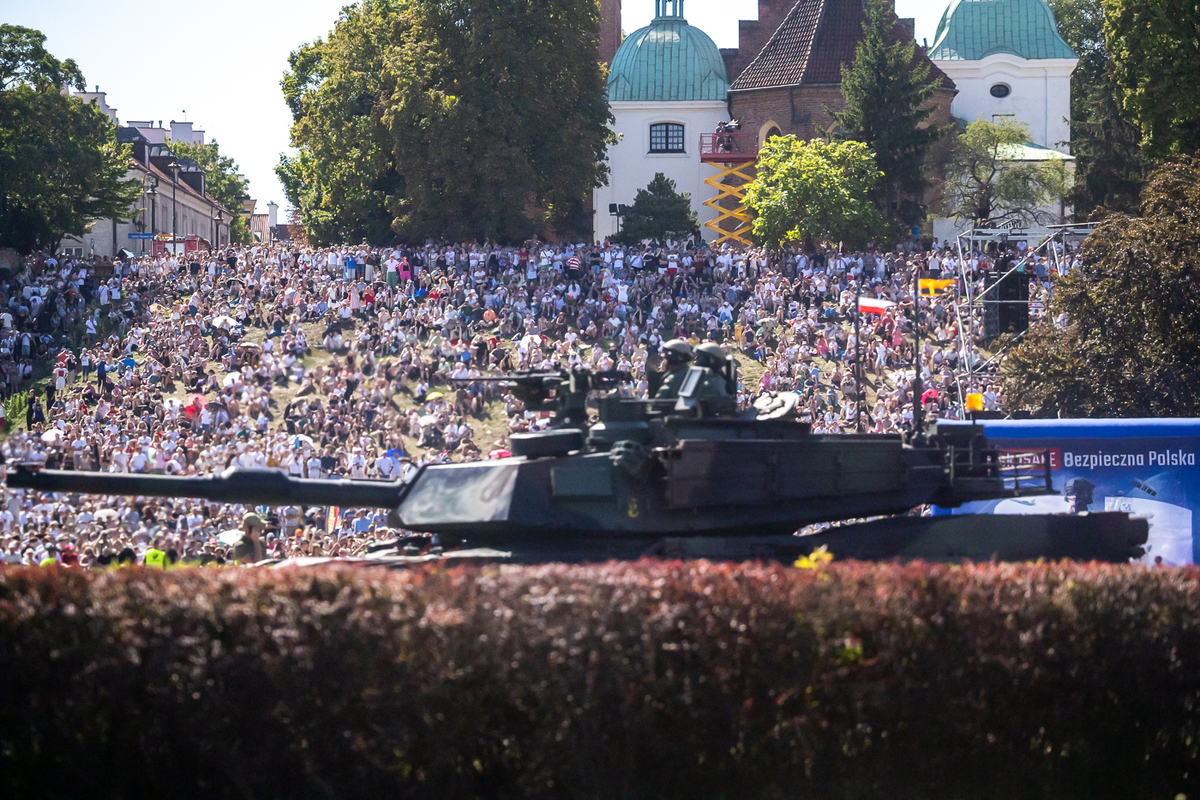
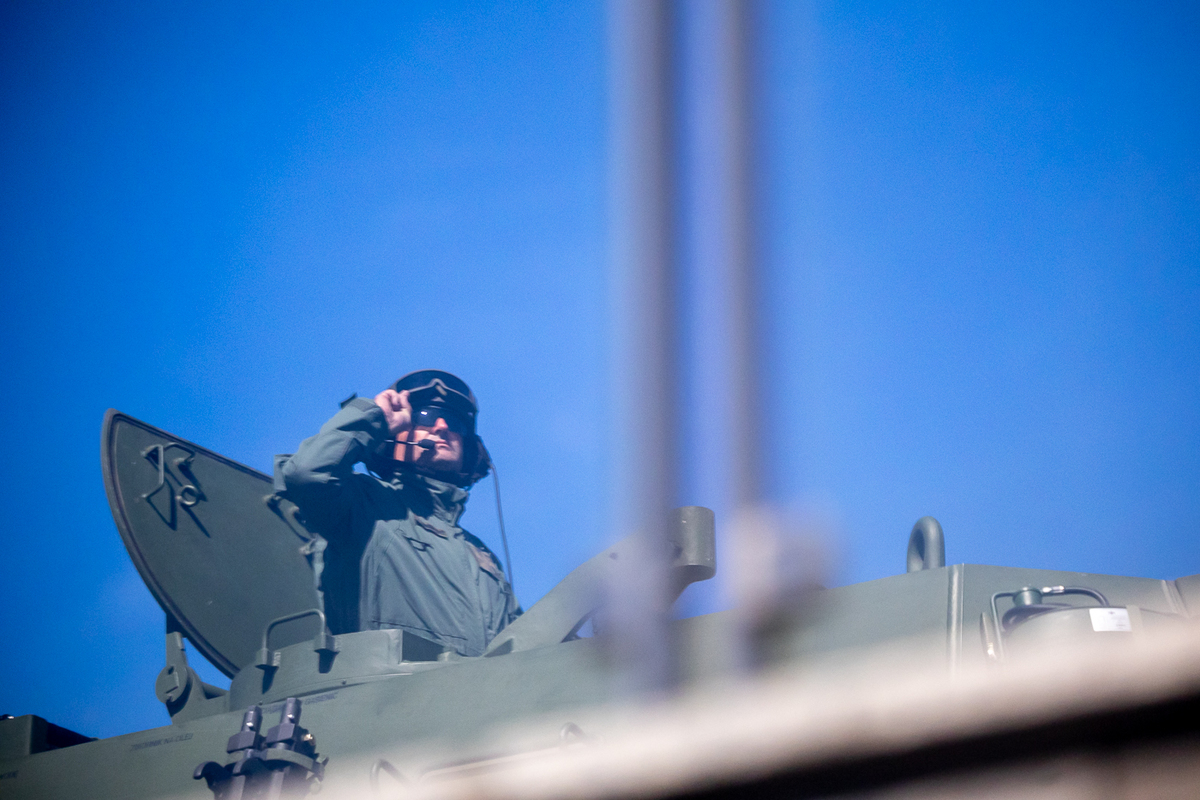
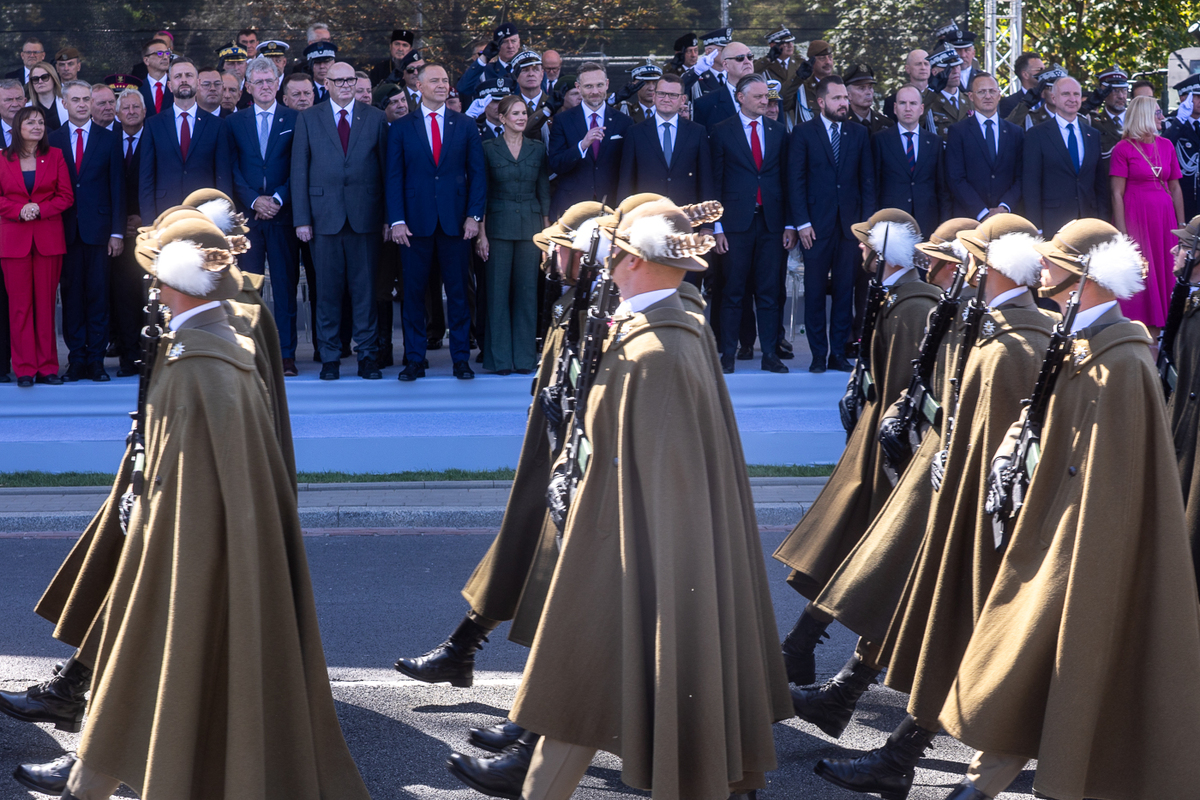
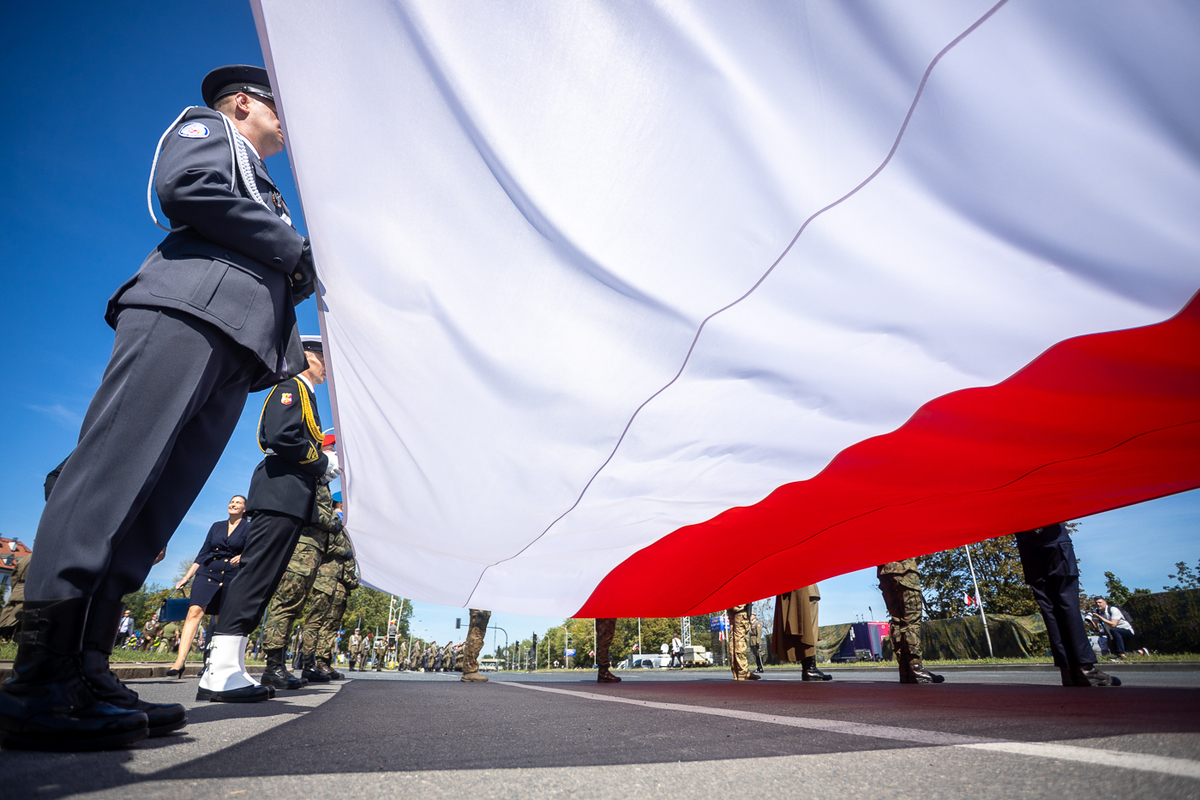
106 years after Polish forces turned back the Bolshevik advance in the Battle of Warsaw, Poland marked Armed Forces Day with a grand military parade, tributes to the fallen, and the participation of allied troops from across the world.
The Battle of Warsaw was the culminating moment of the Polish-Bolshevik War and one of the decisive events in the history of Poland, Europe, and the world.
As early as 1923, to commemorate the fighting in defence of the homeland, Soldier’s Day was established, falling on 15 August - the date crucial to breaking the Bolshevik offensive three years earlier. Polish Armed Forces Day was formally established by an act of the Sejm in 1992.
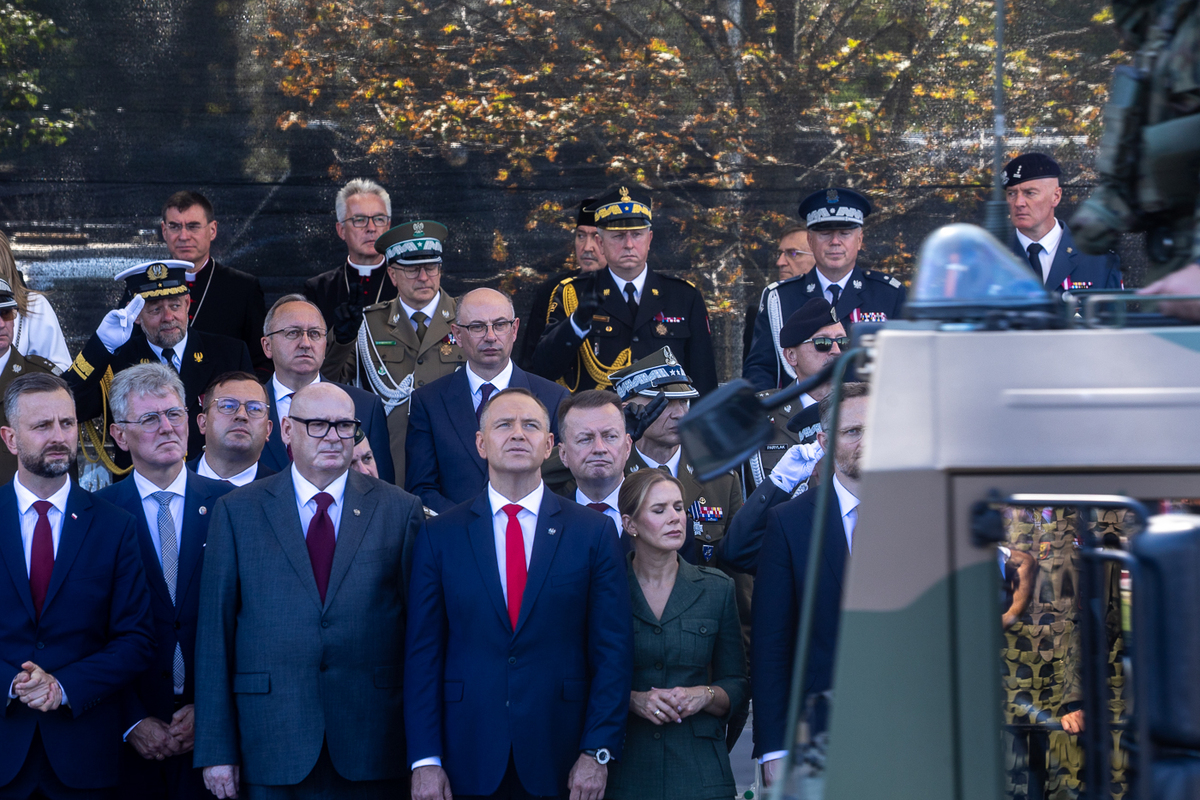
The central celebrations of Polish Armed Forces Day, combined with commemorations of the victorious Battle of Warsaw of 1920, were held in Warsaw with the participation of the President of the Republic of Poland, Karol Nawrocki.The IPN was represented by its Deputy Presidents, Karol Polejowski and Mateusz Szpytma.
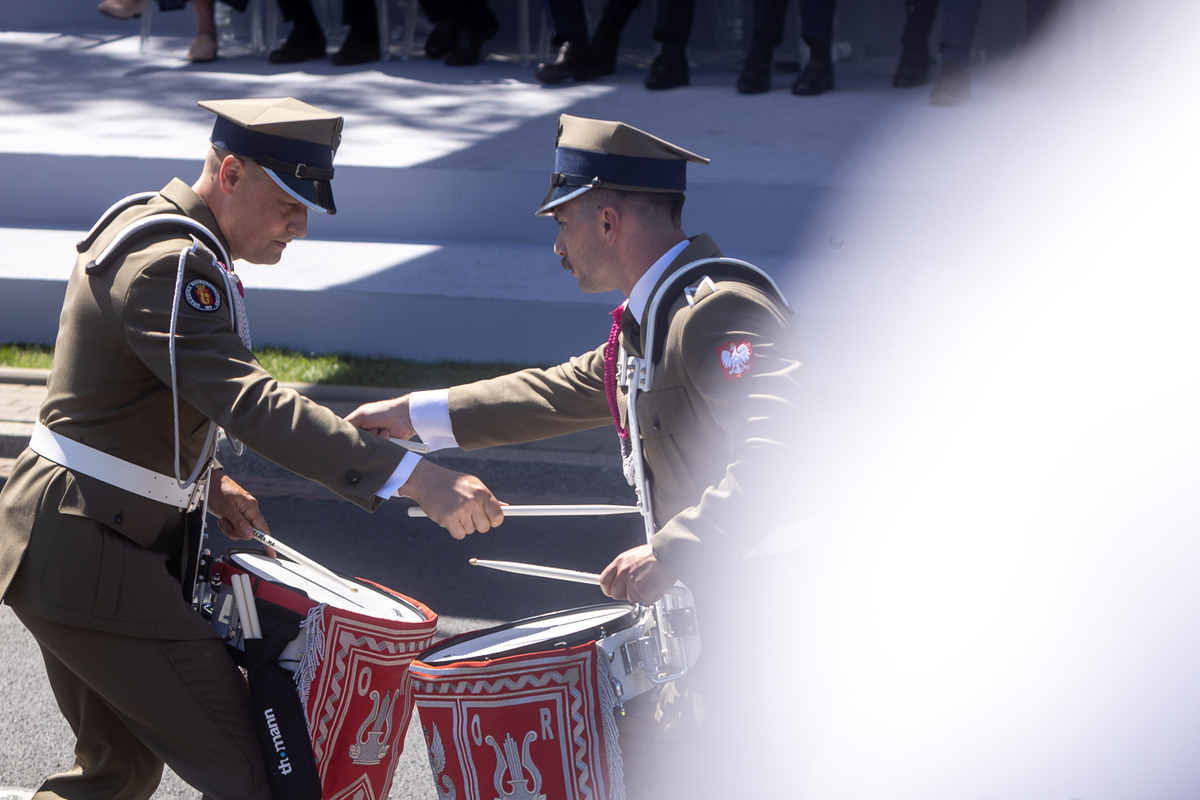
The ceremonies began with a Holy Mass for the Homeland at the Field Cathedral of the Polish Armed Forces. The liturgy was presided over by Military Bishop Wiesław Lechowicz.At Marshal Józef Piłsudski Square, a changing of the guard took place at the Tomb of the Unknown Soldier, and those gathered paid tribute to the heroes.Traditionally, the most important part of Polish Armed Forces Day celebrations was the ceremonial military parade, which proceeded along Warsaw’s Wisłostrada. It was attended by soldiers from all branches of the Polish Armed Forces, as well as allied troops from the United States, Canada, Australia, Lithuania, Estonia, Sweden, Romania, and France, including, for the first time, soldiers of the French Foreign Legion.
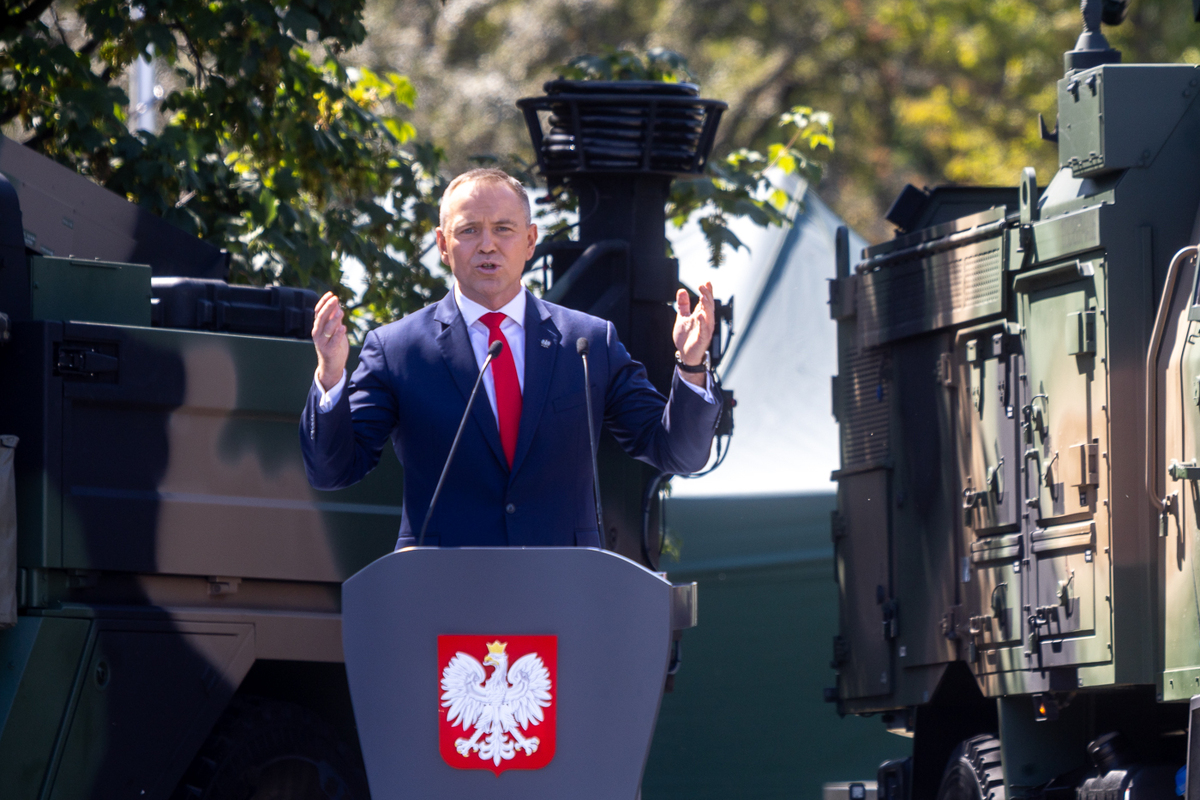
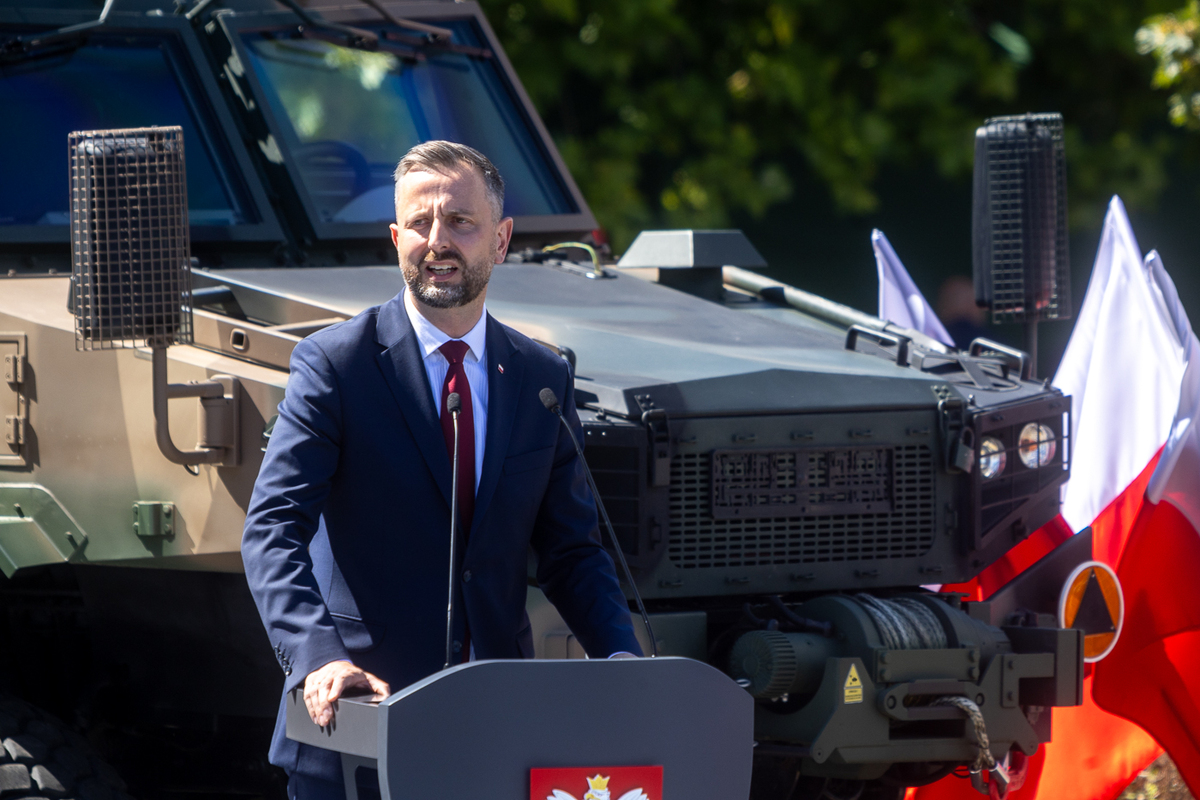
“At that time, in 1920, everyone knew that political disputes ended where the security of the Republic of Poland began, where the soldier and the Polish Armed Forces began. That is why we were able to win in 1920: because a strong and resilient nation understood that, in order to be able to argue about the future and about politics, Poland has to exist,” said the President of the Republic of Poland.
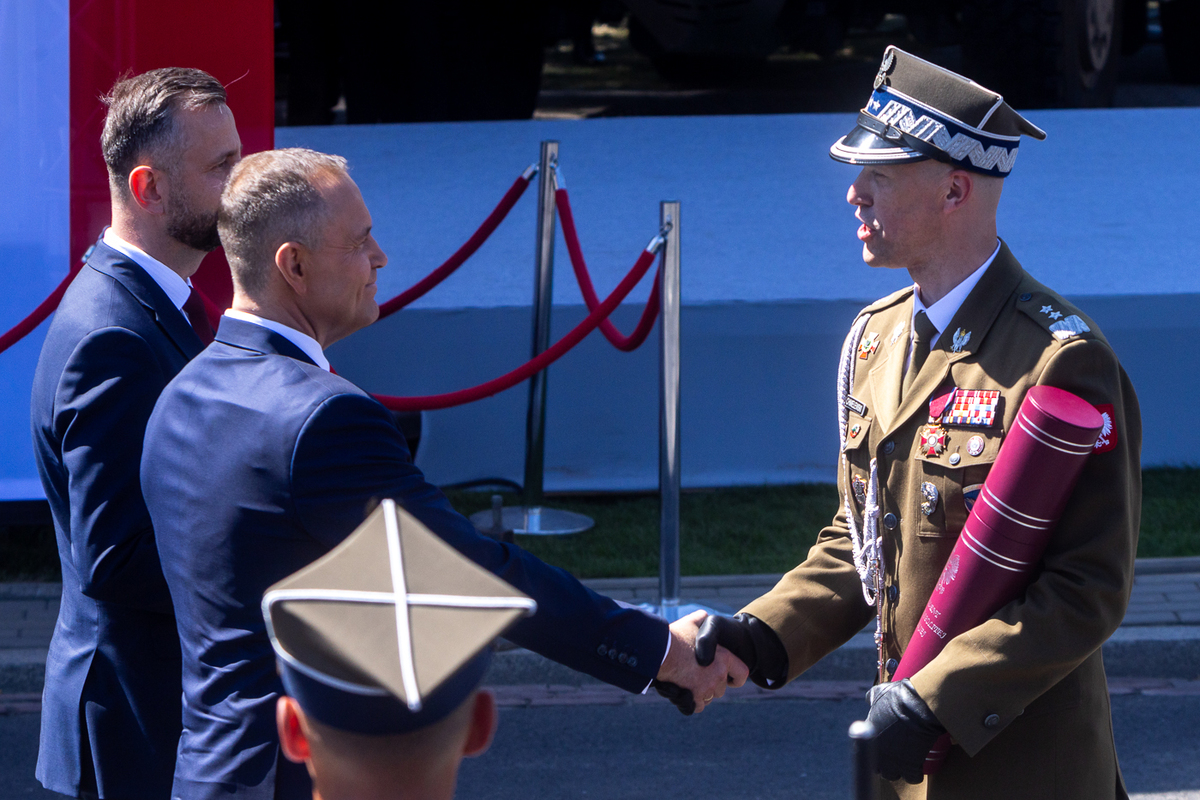
For the first time, in front of the ceremonial reviewing stand, President Karol Nawrocki presented general and admiral promotions.