
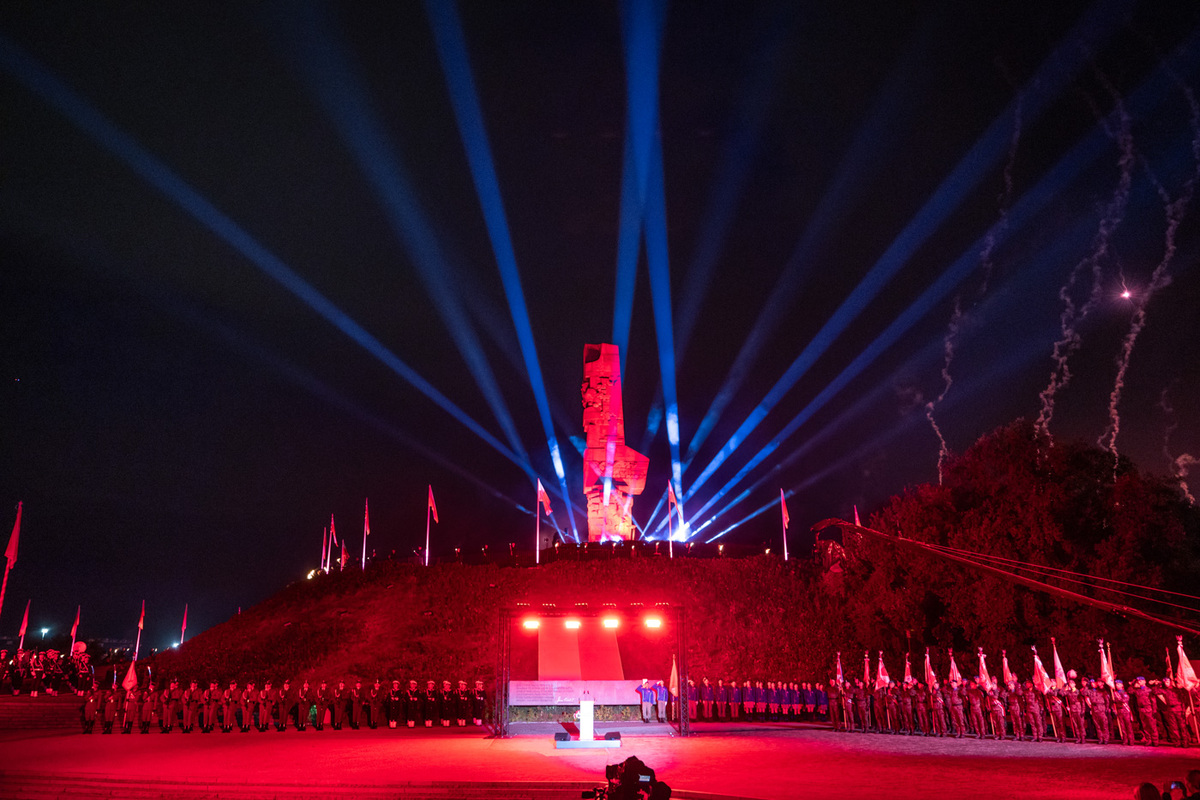
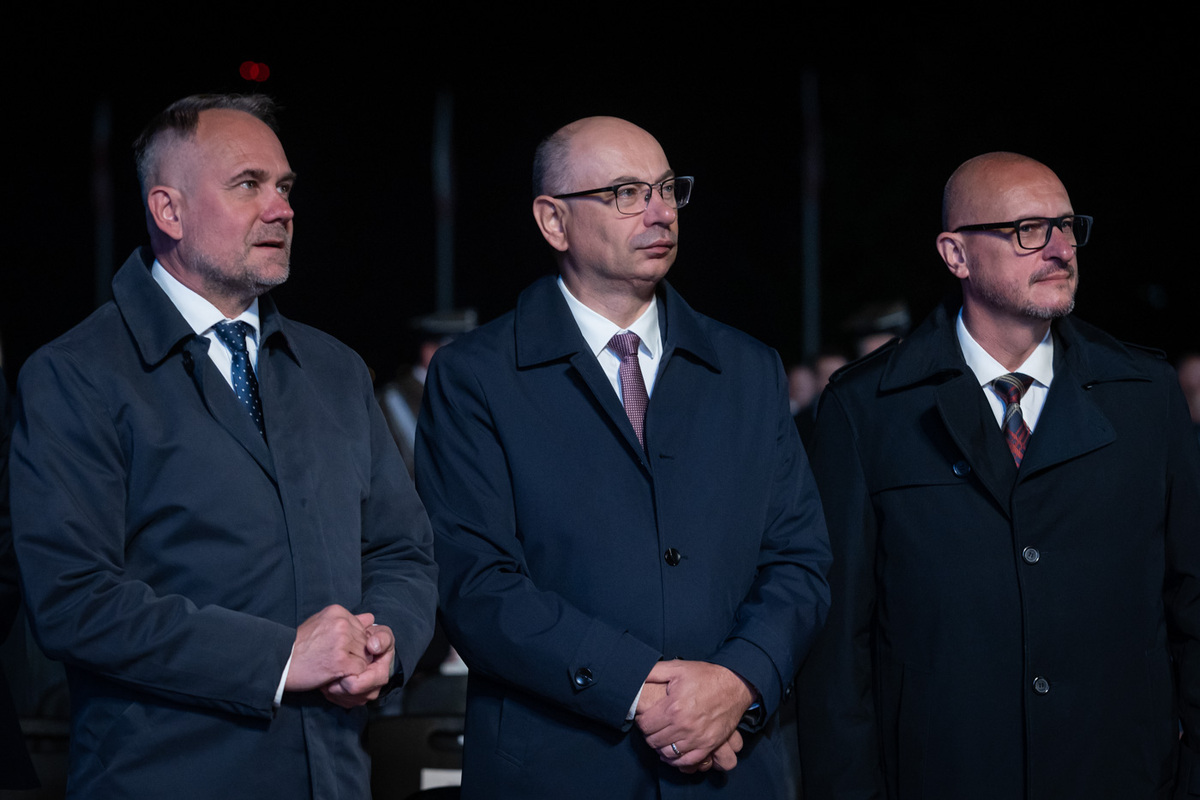
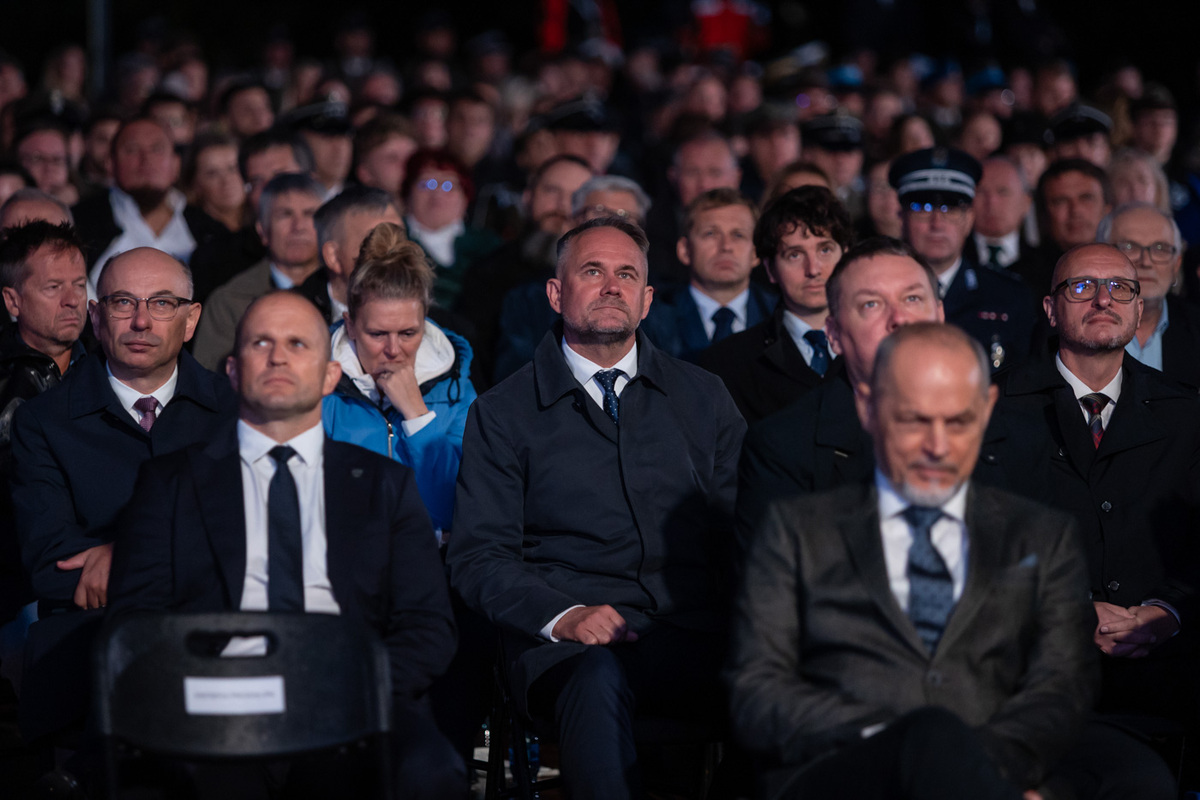
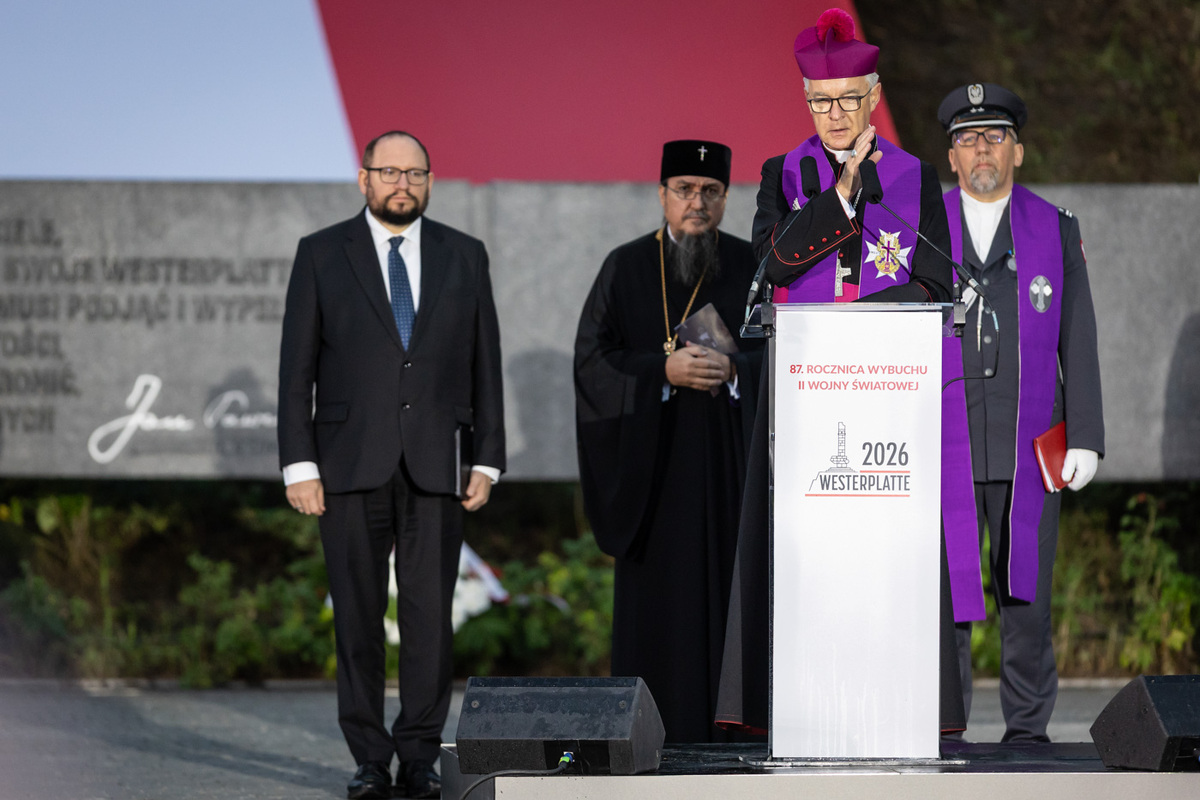
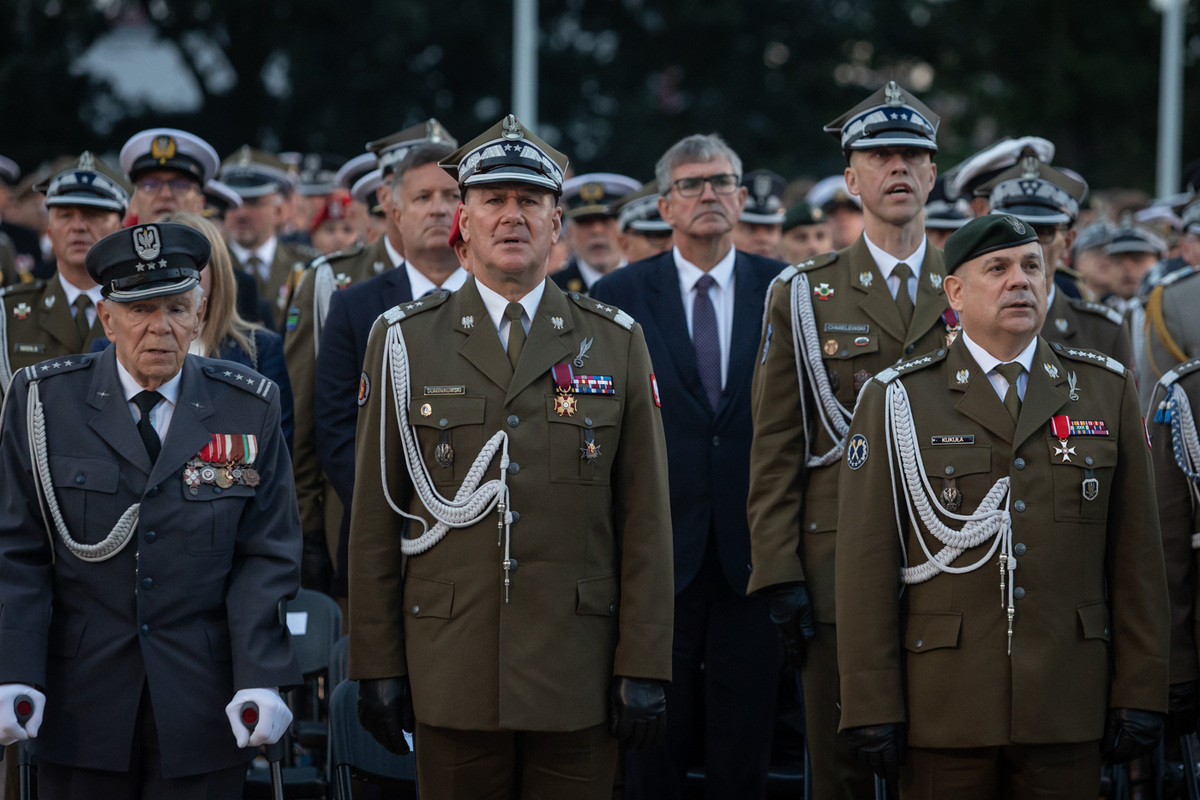
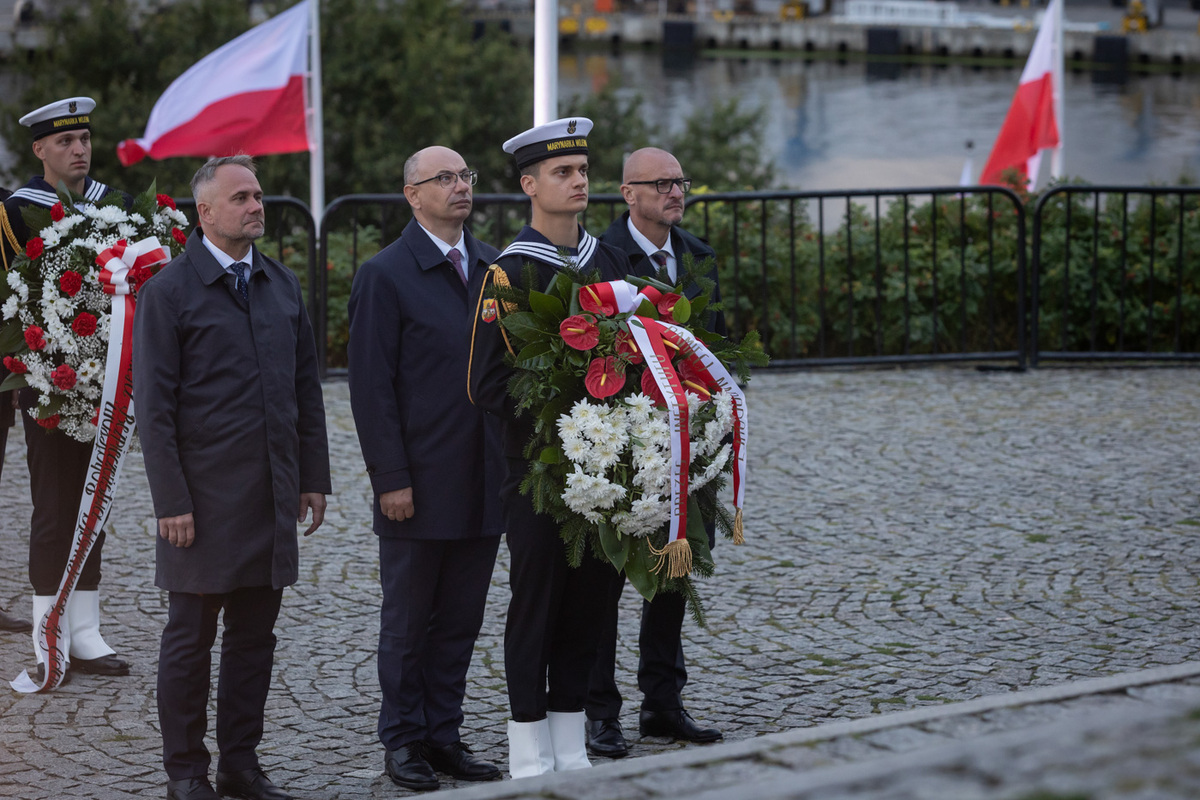
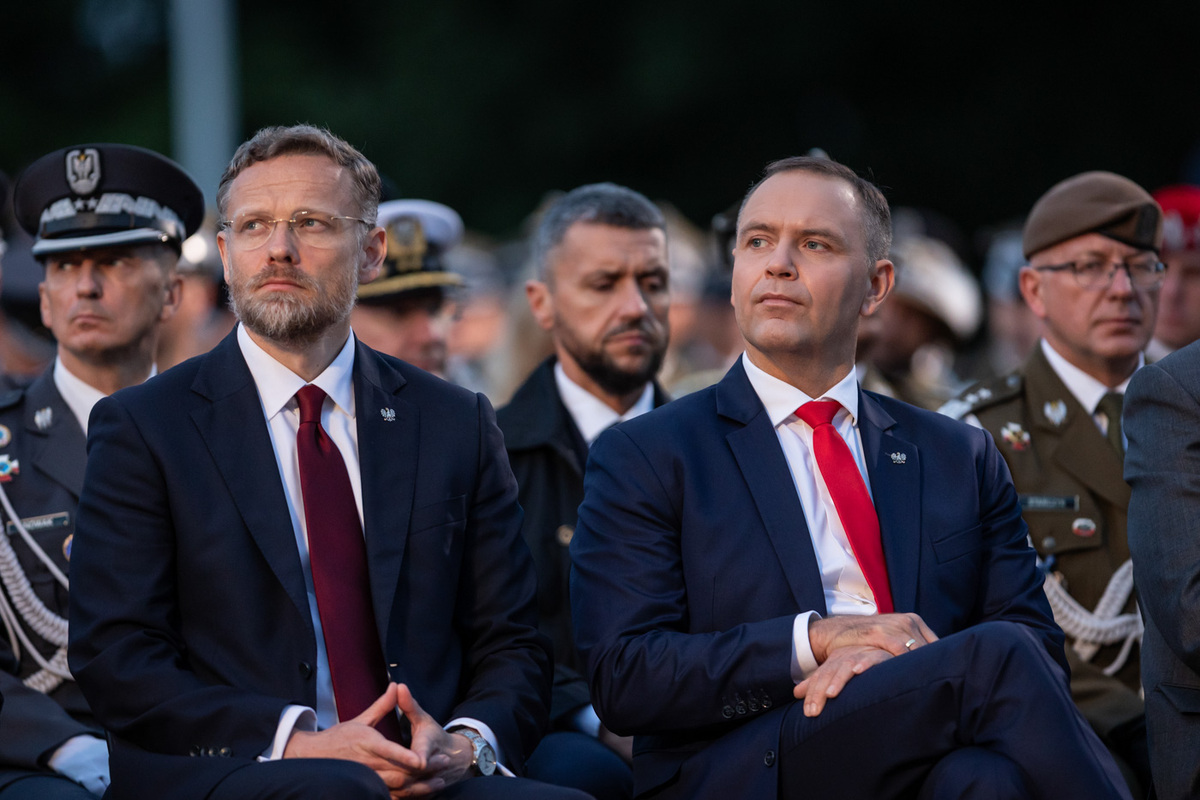
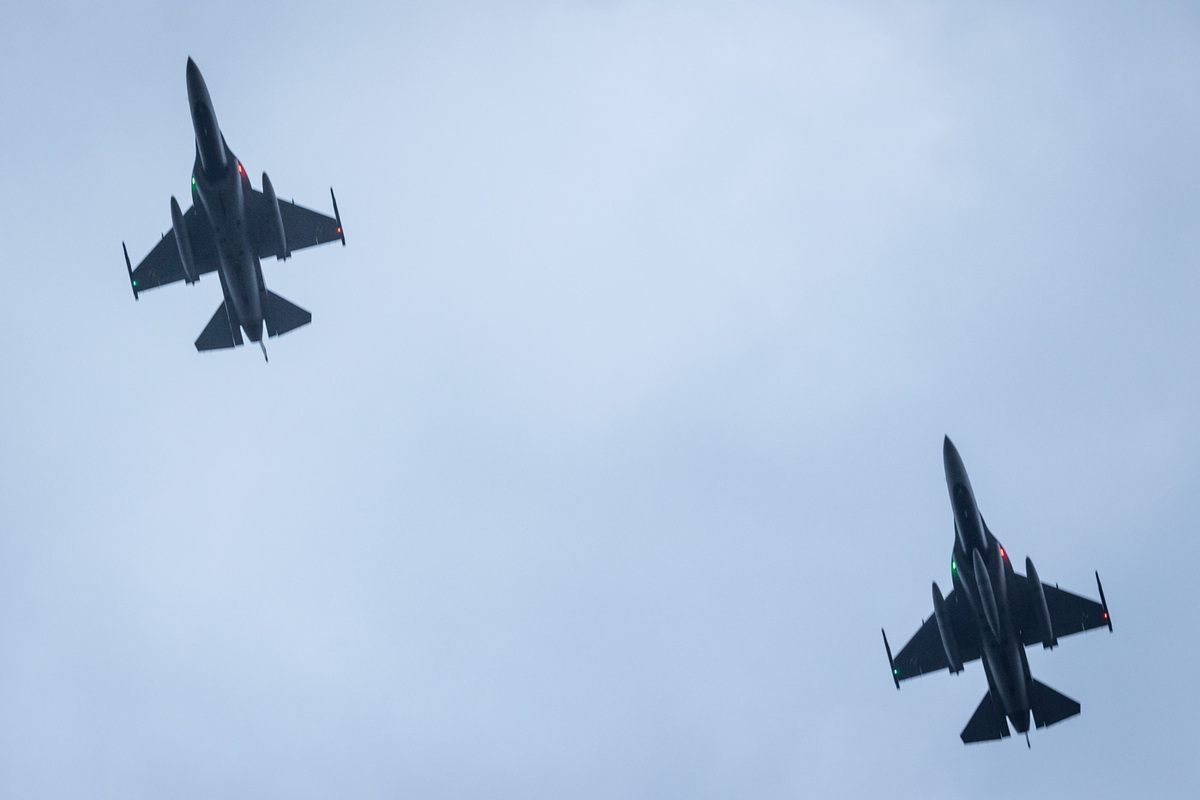
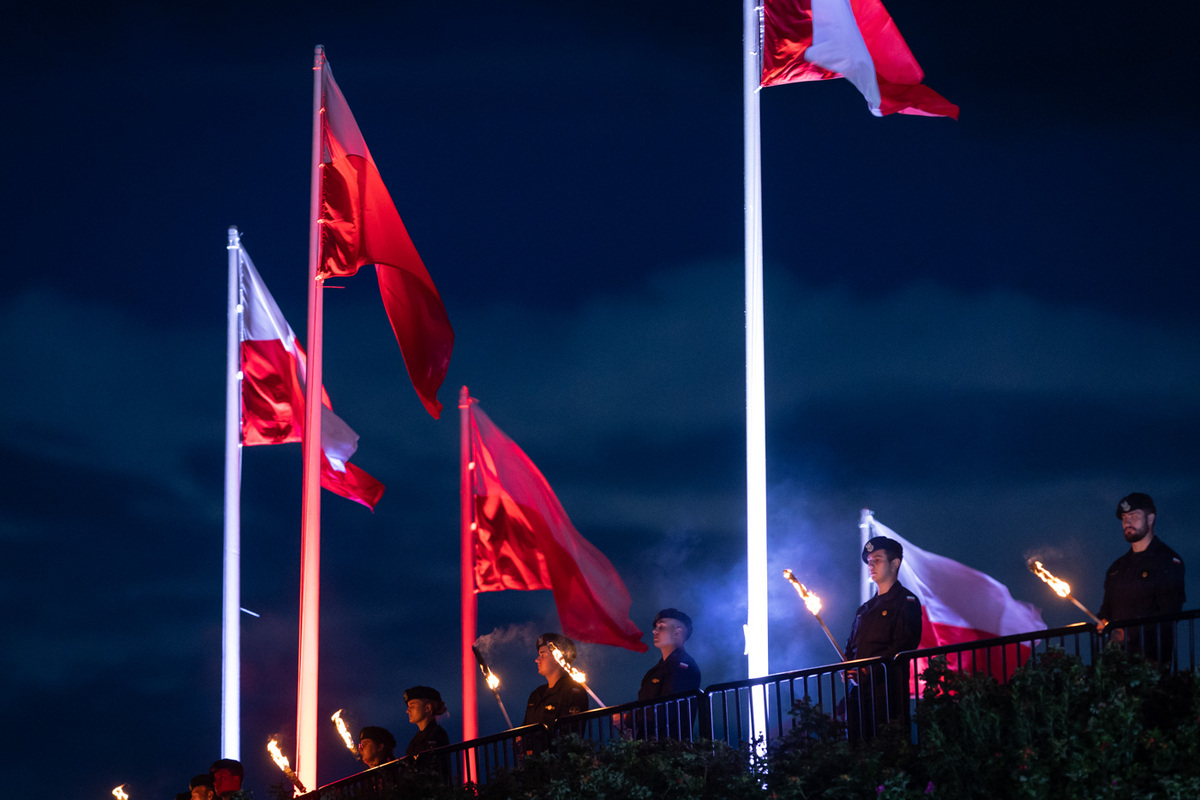
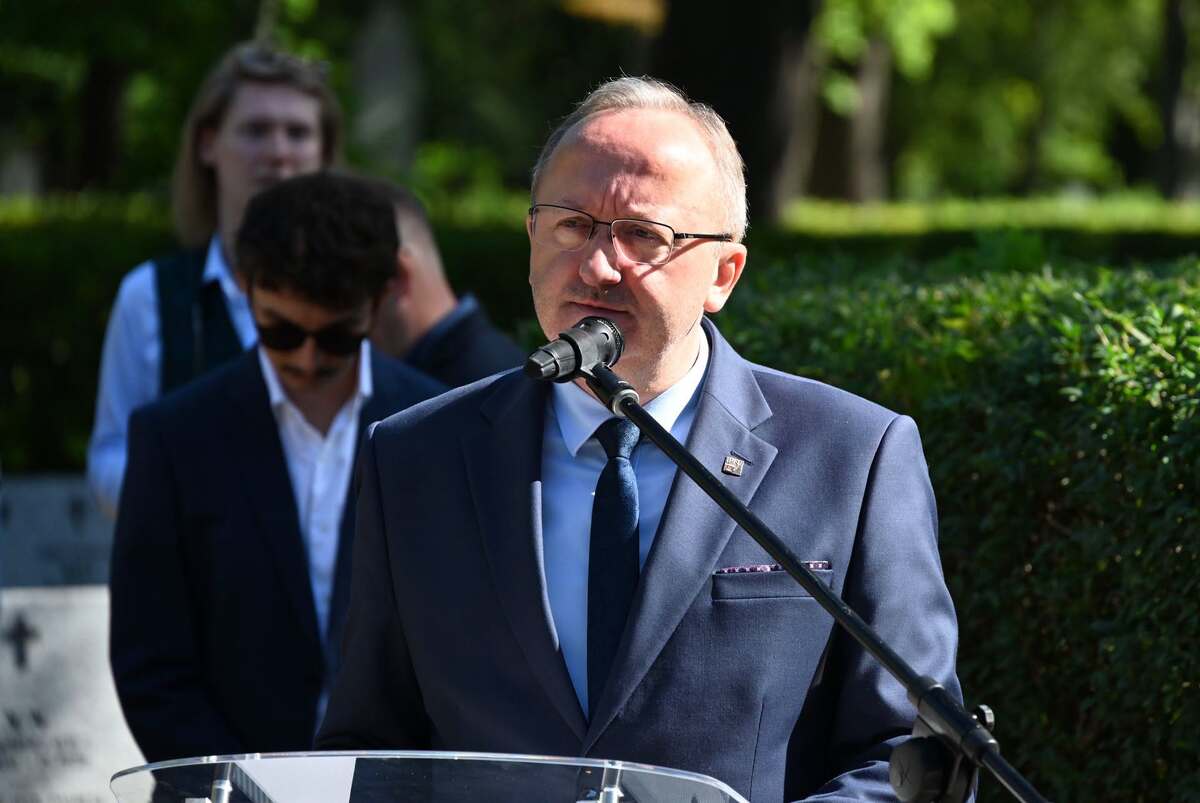
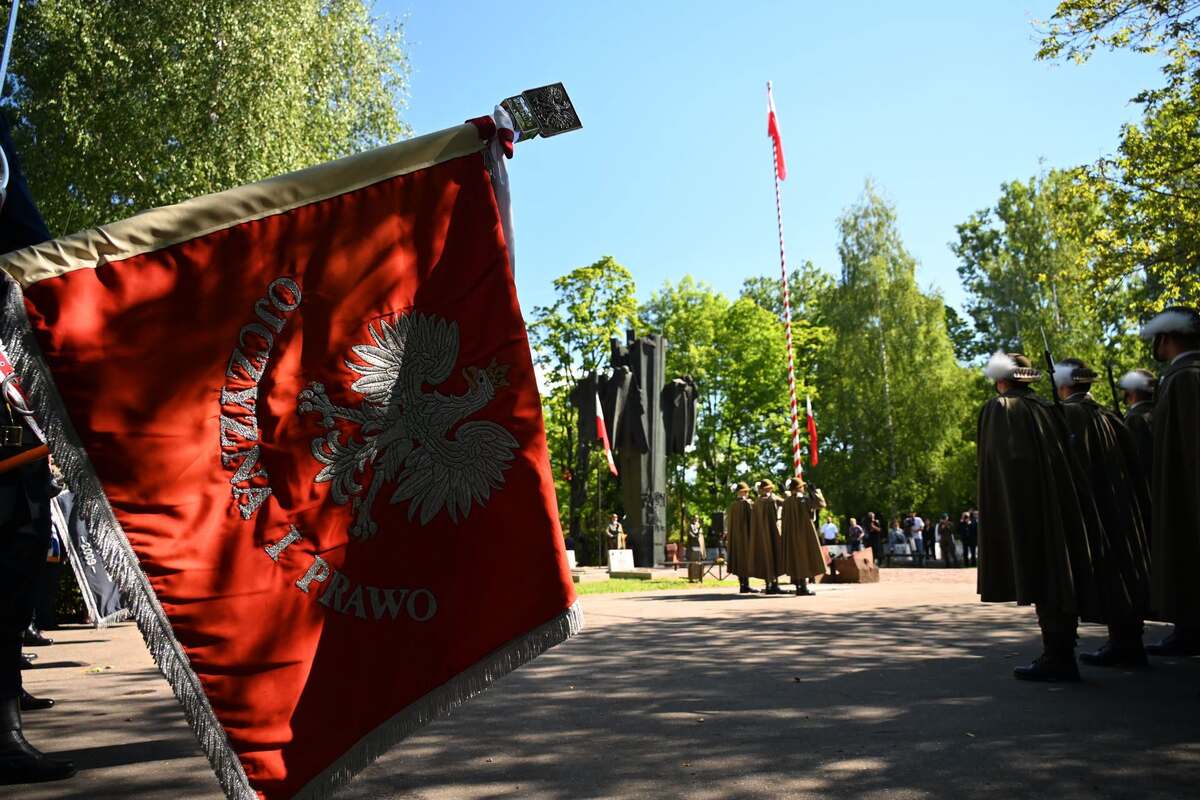
At 4:45 a.m., commemorations marking the 87th anniversary of the outbreak of the Second World War began at Westerplatte, with the participation of President of the Republic of Poland Karol Nawrocki. Mateusz Szpytma, Ph.D., Deputy President of the Institute of National Remembrance, also attended the ceremony.
President of the Republic of Poland Karol Nawrocki stressed that commemorating 1 September requires truth and responsibility – and that truth has its symbols, facts and signs:
Without a doubt, Westerplatte is one of the most important symbols for Poles and one of the most important symbols of the Second World War as a whole. It was here that the archetype of Polish attitudes during the entire Second World War was forged, in all the places around the world where Polish soldiers fought for the freedom of other nations, but where they always died only for Poland.
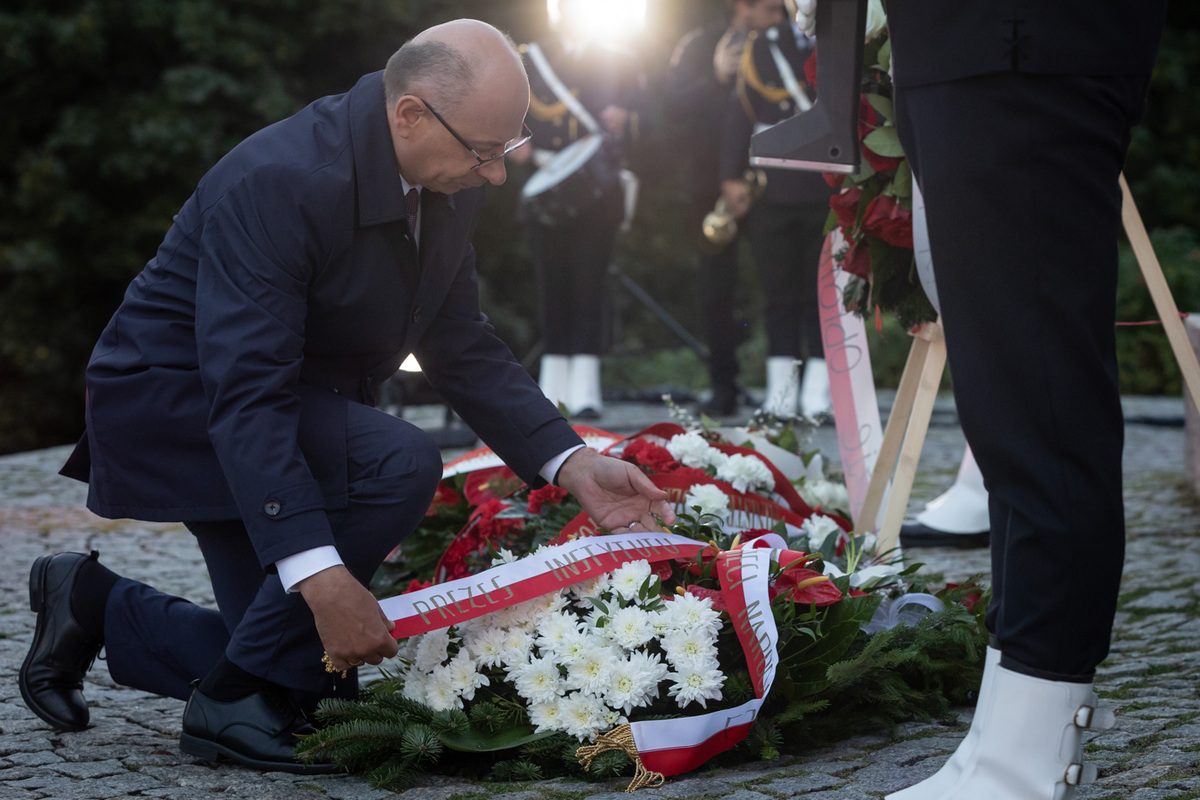
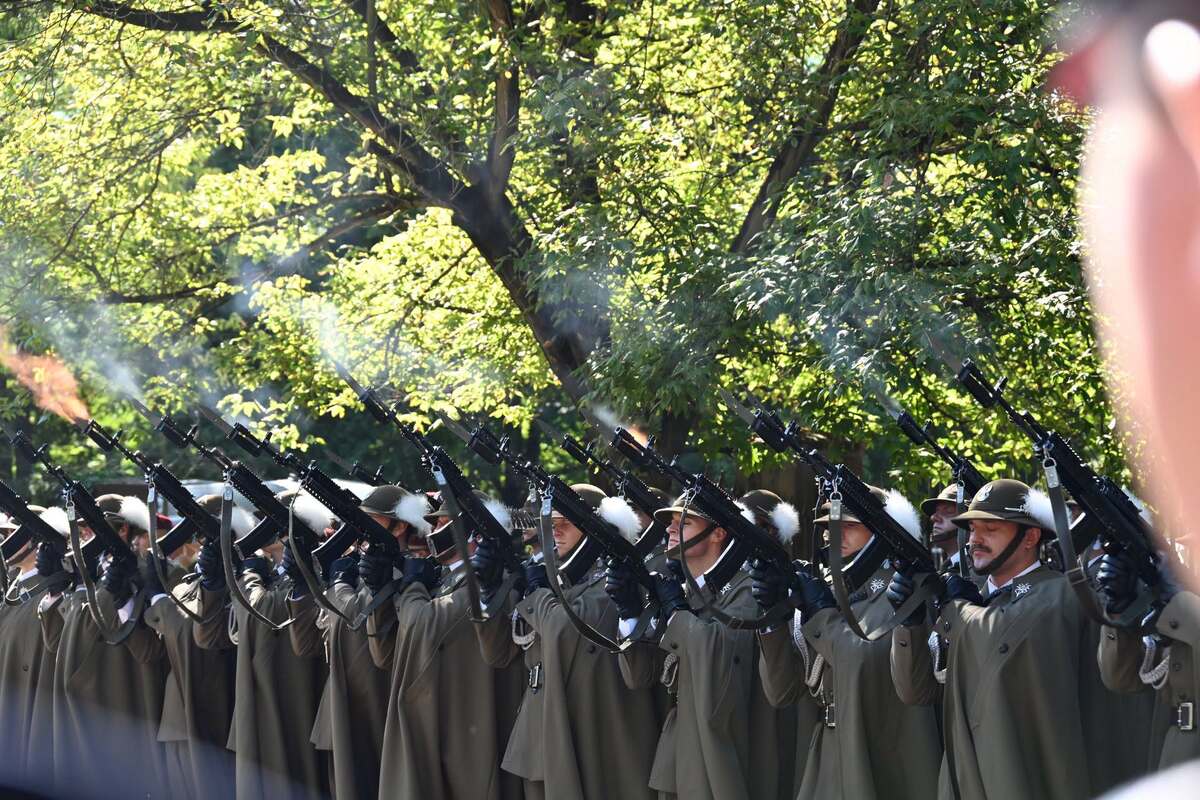
The commemorations concluded with the laying of a wreath on behalf of the Polish Nation at the Monument to the Defenders of the Coast. The ceremony was attended, among others, by Members of Parliament and Senators, representatives of the government and local authorities, members of the clergy, veterans, Polish Armed Forces personnel, and scouts. The Institute of National Remembrance was represented by Marek Szymaniak, Ph.D., Director of the IPN Gdańsk Branch, and his Deputy, Waldemar Szulc.
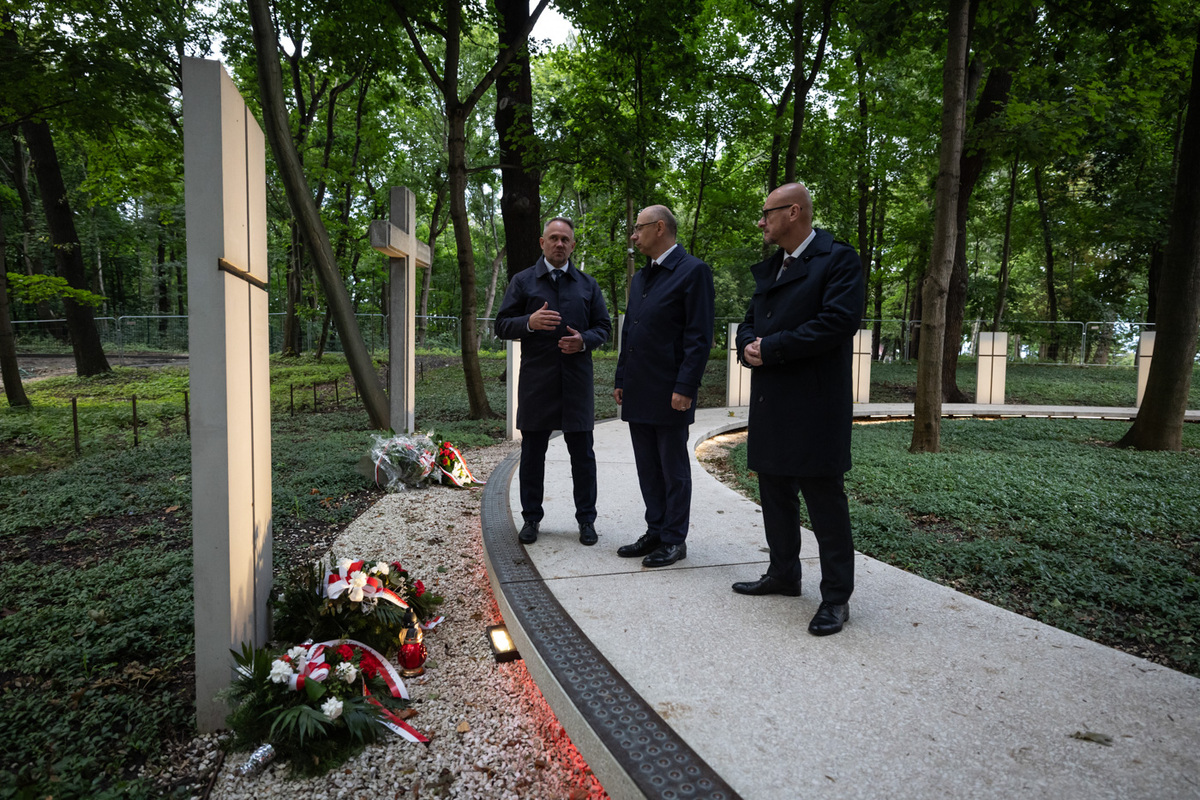
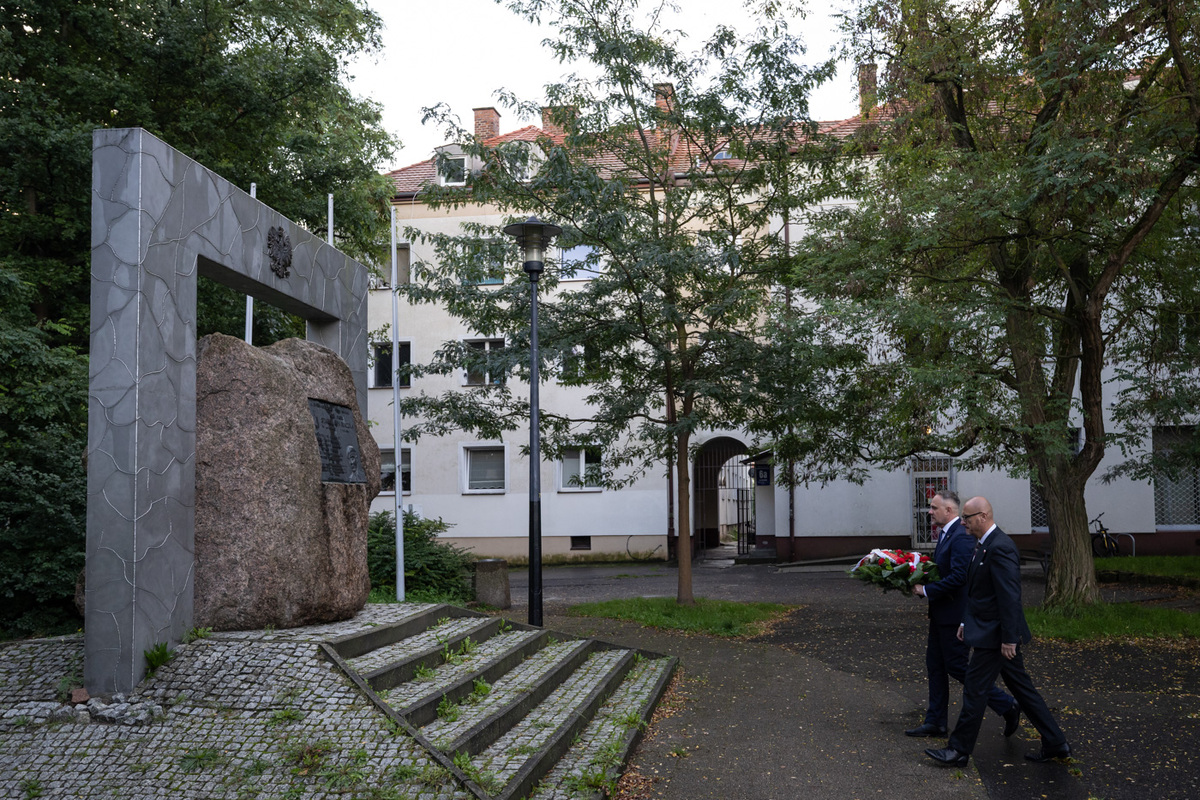
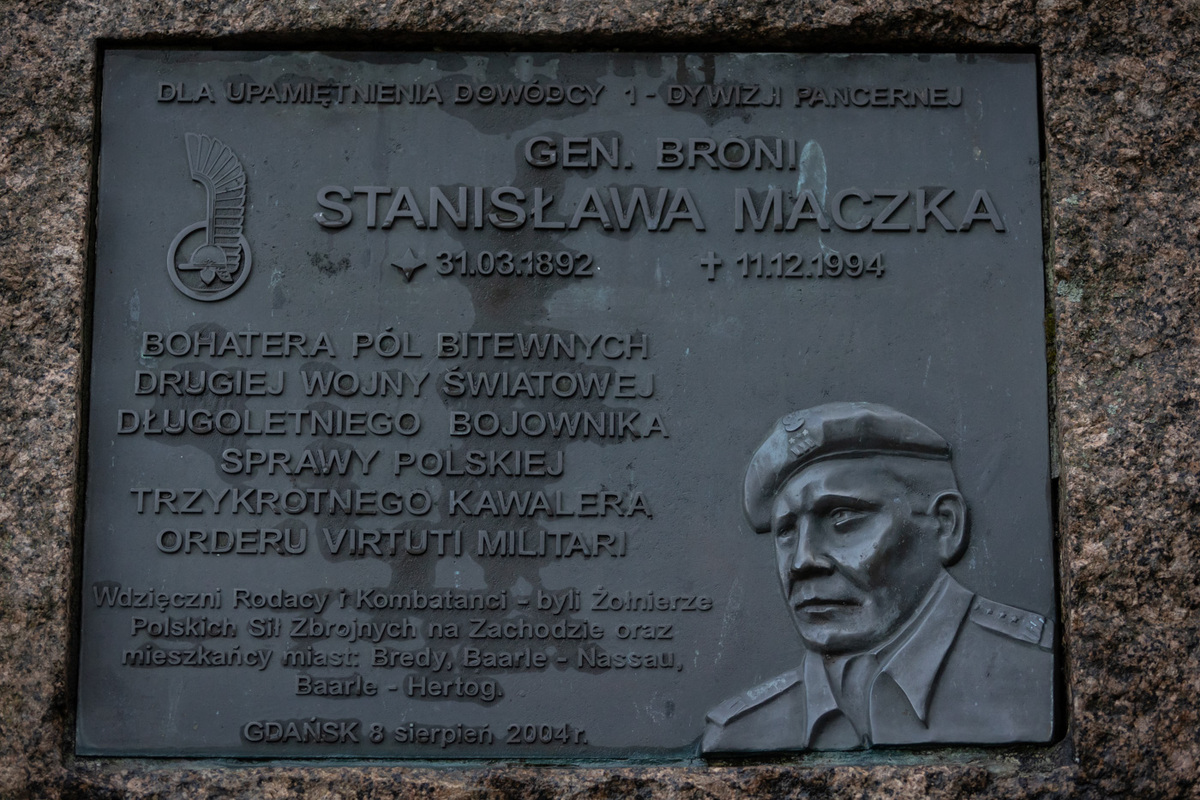
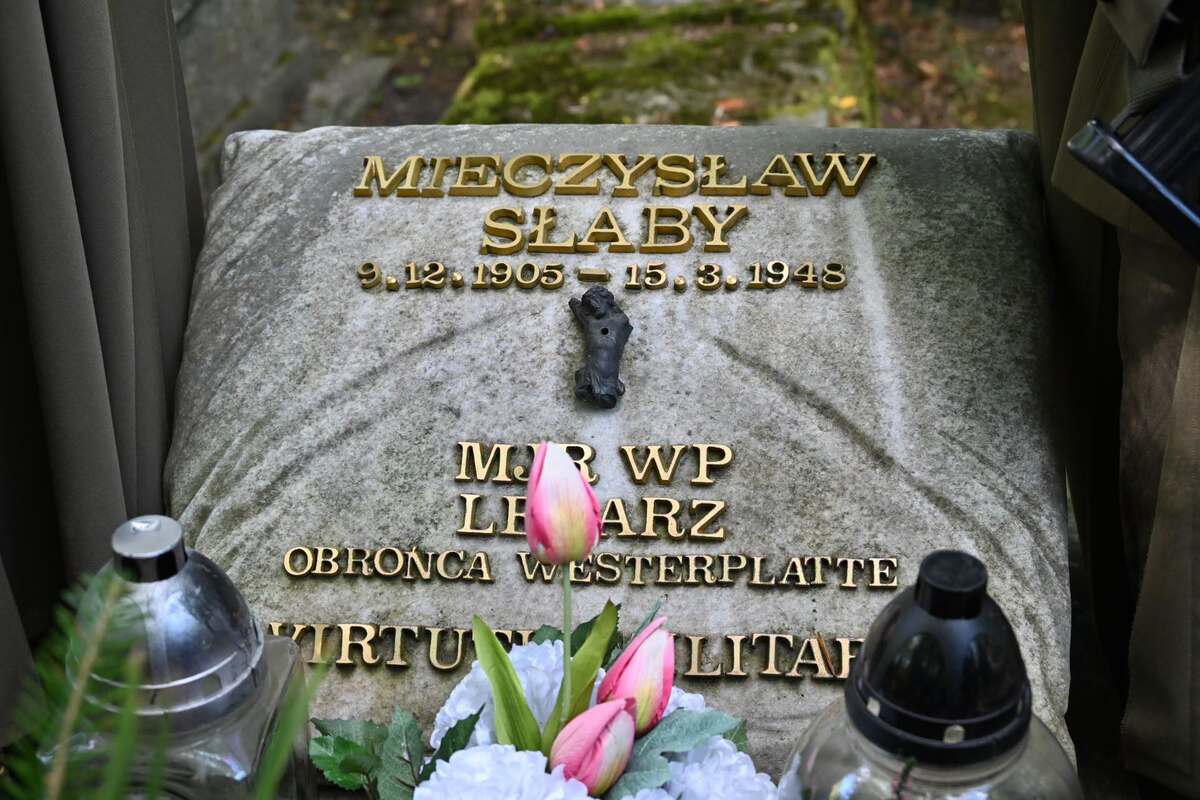
The IPN delegation also paid tribute to the soldiers buried at the Westerplatte Military Cemetery and laid flowers at the memorial plaque commemorating General Stanisław Maczek.
The anniversary commemorations were also held in Kraków, where the IPN paid tribute to the victims of German aggression and to the soldiers who defended Poland in September 1939. The IPN was represented there by Deputy President Karol Polejowski.
As we gather here today in Kraków to pay tribute to the heroes of 1939, for the past week the IPN has been conducting exhumation work at Holosko in Lwów, where we are uncovering the graves of more than 130 soldiers of the Polish Army. It is our duty to exhume them and transfer them to a military cemetery - to the place where they belong, among their comrades-in-arms. We always come back for our own. Our remembrance of those events, of the heroic struggle and of the sacrifice made by the Polish nation is our duty, an obligation to those who defended Poland at the time, said IPN Deputy President Karol Polejowski.
***
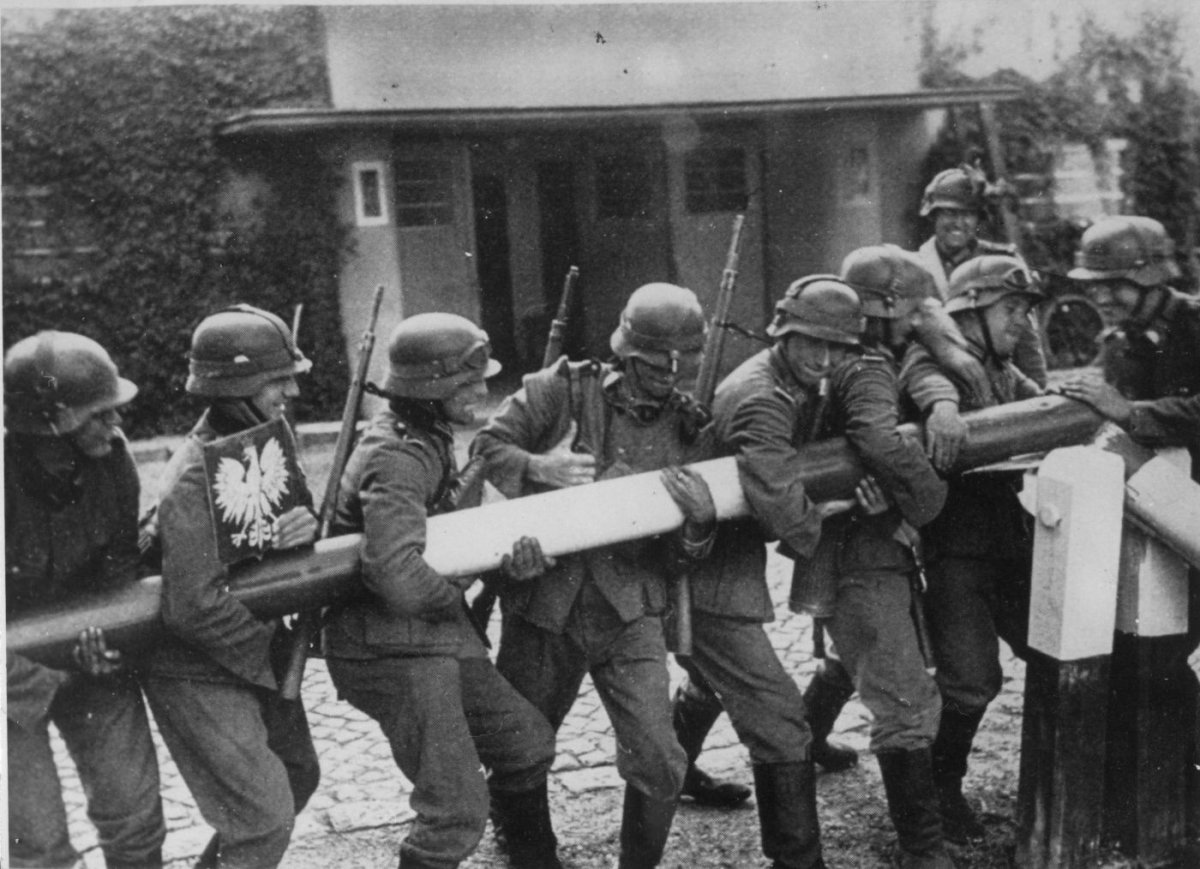
At approximately 4:45 a.m. on 1 September 1939, the German pre-dreadnought battleship Schleswig-Holstein, which had entered the port of Gdańsk ostensibly on a ceremonial visit, opened fire on the Polish Military Transit Depot at Westerplatte. At approximately the same time, German aircraft attacked the town of Wieluń, killing civilians and causing extensive destruction. The German invasion had begun.
In Gdańsk itself, German forces moved against Polish institutions and organisations. One of the most dramatic episodes took place at the Polish Post Office, where its employees resisted for several hours against German forces composed of SS personnel, police and other formations. At Westerplatte, which the Germans expected to capture within hours, the Polish garrison resisted for seven days, making the defence one of the earliest and most enduring symbols of Polish resistance.
Across Poland, Polish soldiers fought against a numerically and materially superior enemy. Germany attacked from the west and north and, together with Slovakia, from the south. More than 1.5 million German troops participated in the campaign, supported by thousands of artillery pieces, tanks and aircraft.
Poland, whose mobilisation had not been completed when the invasion began, fielded a considerably smaller and less mechanised force. Nevertheless, Polish units repeatedly demonstrated determined and effective resistance, inflicting significant losses on the invading forces and disrupting German plans.
In the north, German armoured formations broke through Polish positions in the Tuchola Forests, while the Modlin Army conducted a determined defensive campaign in the vicinity of Mława. On the western front, the Wołyńska Cavalry Brigade halted elements of the German 4th Panzer Division at Mokra on 1 September, inflicting significant losses in one of the most notable Polish tactical successes of the opening days of the campaign.
In the south-west, the Kraków Army was forced to withdraw under increasing German pressure. After regular Polish military units withdrew from parts of Upper Silesia, local self-defence formations — including former Silesian insurgents and scouts — continued to resist the German advance in places such as Katowice and Chorzów.
On 17 September 1939, Poland was invaded from the east by the Soviet Union, in accordance with the secret protocol to the Molotov–Ribbentrop Pact, signed less than a month earlier. The Red Army crossed the Polish frontier without a declaration of war, attacking a country that was already engaged in a desperate struggle against German aggression.
From the very first day, the German invasion was not solely a conflict between armed forces. German troops and police formations committed widespread violence against civilians and prisoners of war, while the Luftwaffe bombed towns, roads and columns of refugees. The bombing of Wieluń, which began in the early hours of 1 September, became one of the first symbols of the deliberate destruction of civilian targets that would soon engulf Poland and, ultimately, much of Europe.
The September Campaign of 1939 ended with the occupation of Polish territory by Germany and the Soviet Union. Yet the defeat of the Polish armed forces did not mean the end of Polish resistance. The Polish state continued its struggle through its government-in-exile, armed forces abroad and the underground structures of the Polish Underground State.
The Second World War had begun in Poland — and its consequences would reshape Europe and the world.