
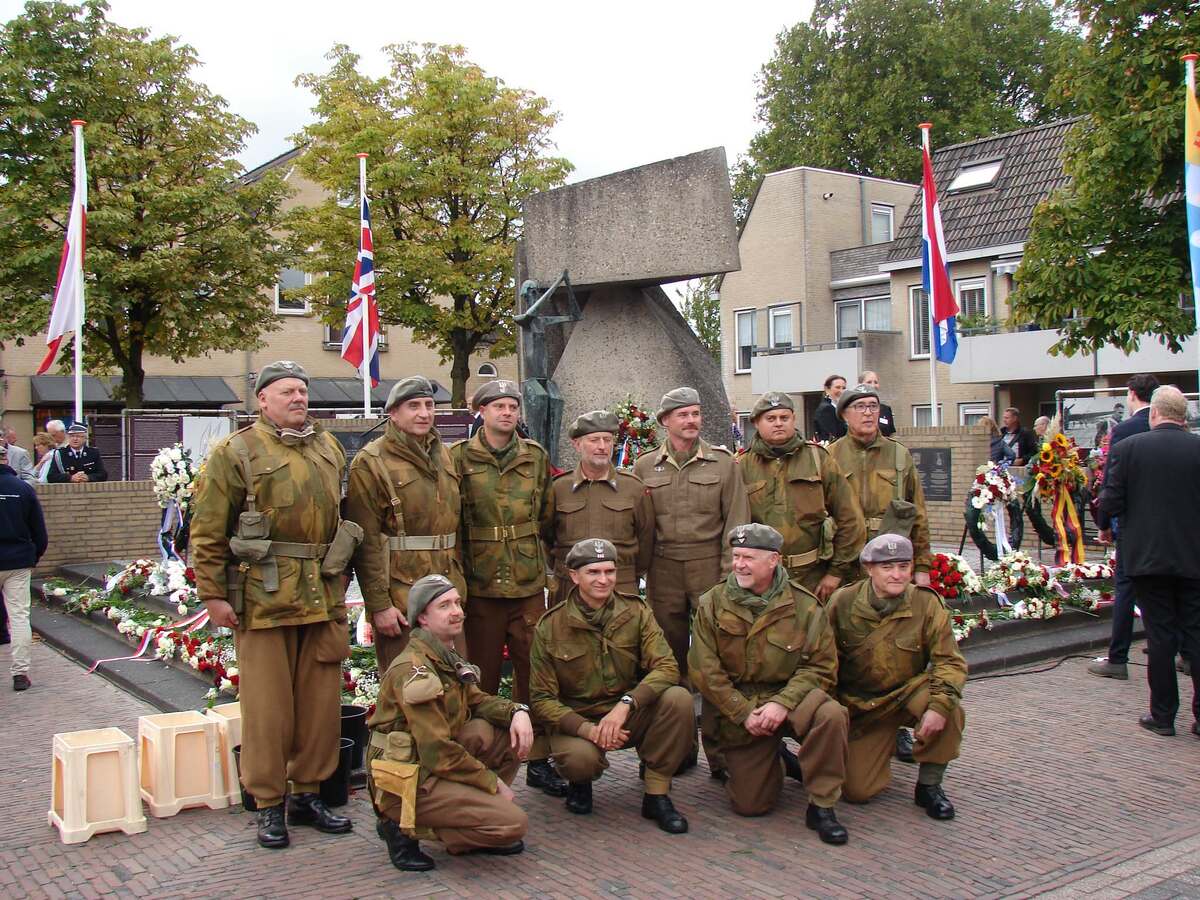
On 19 September 2026, representatives of the Institute of National Remembrance took part in commemorative ceremonies in Driel, the Netherlands, honouring the soldiers of the 1st Independent Parachute Brigade, commanded by General Stanisław Sosabowski, who fought during Operation “Market Garden” in September 1944.
The Polish paratroopers had originally been trained for an entirely different mission. Their purpose was to be deployed over occupied Poland, support the Polish Underground and contribute to the liberation of their homeland. The political and military circumstances of 1944 made such an operation impossible. Instead, the brigade was committed to the Allied effort in the Netherlands, where it took part in one of the largest airborne operations of the Second World War.
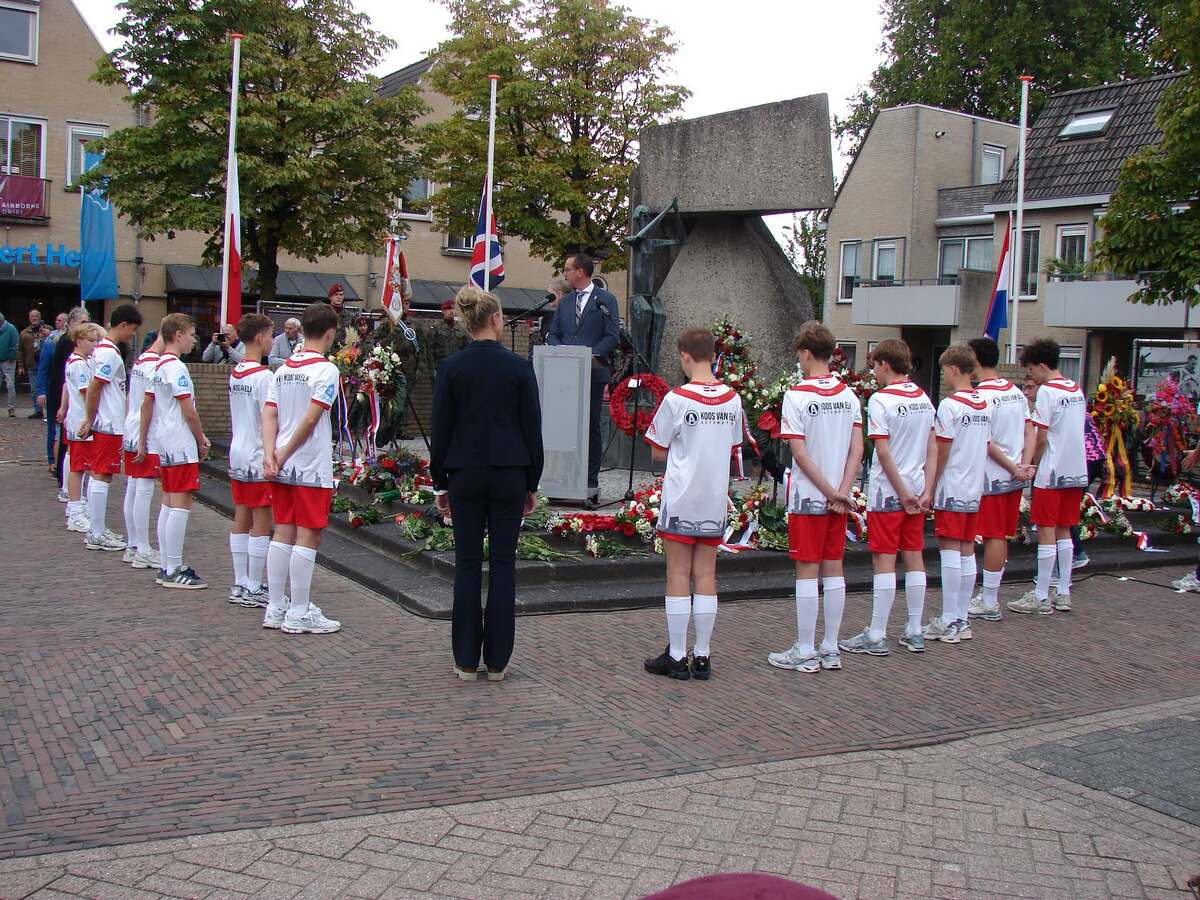
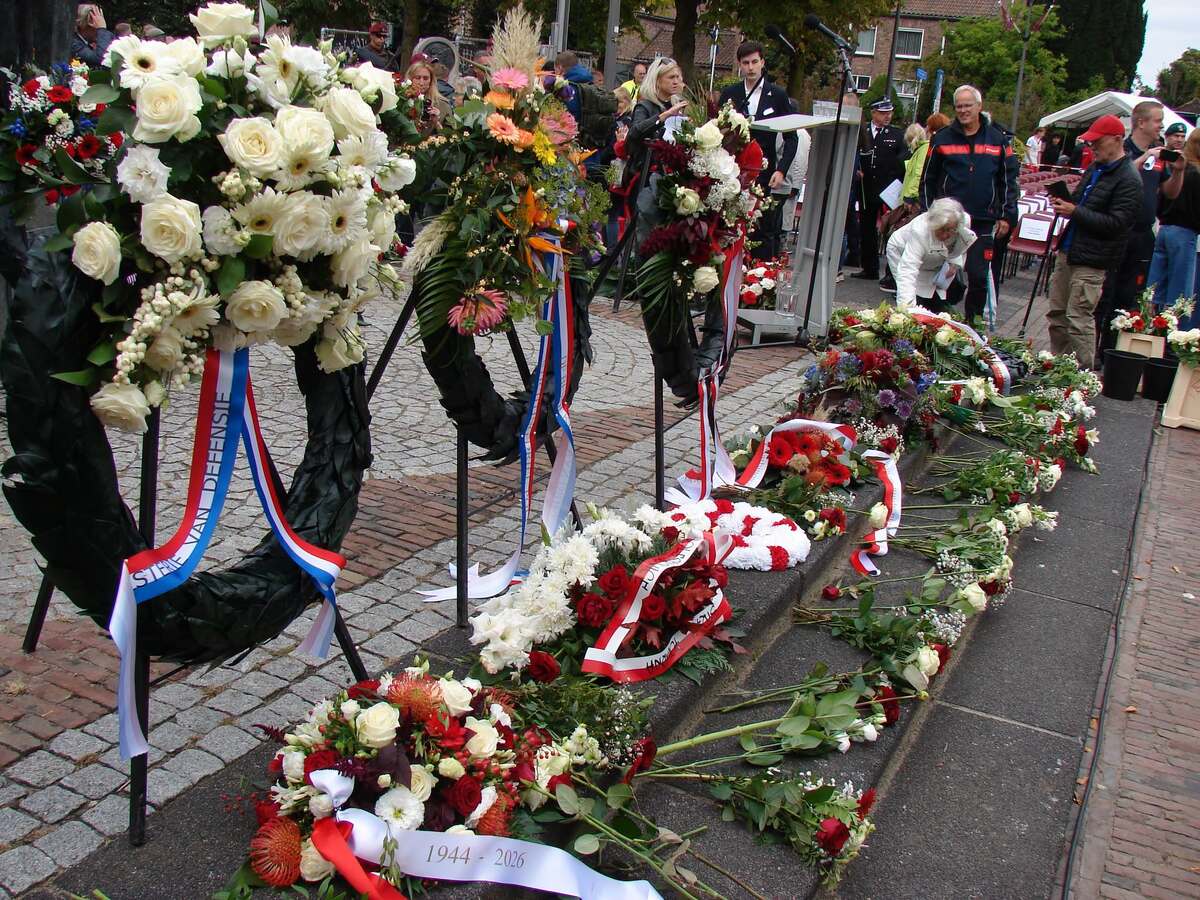
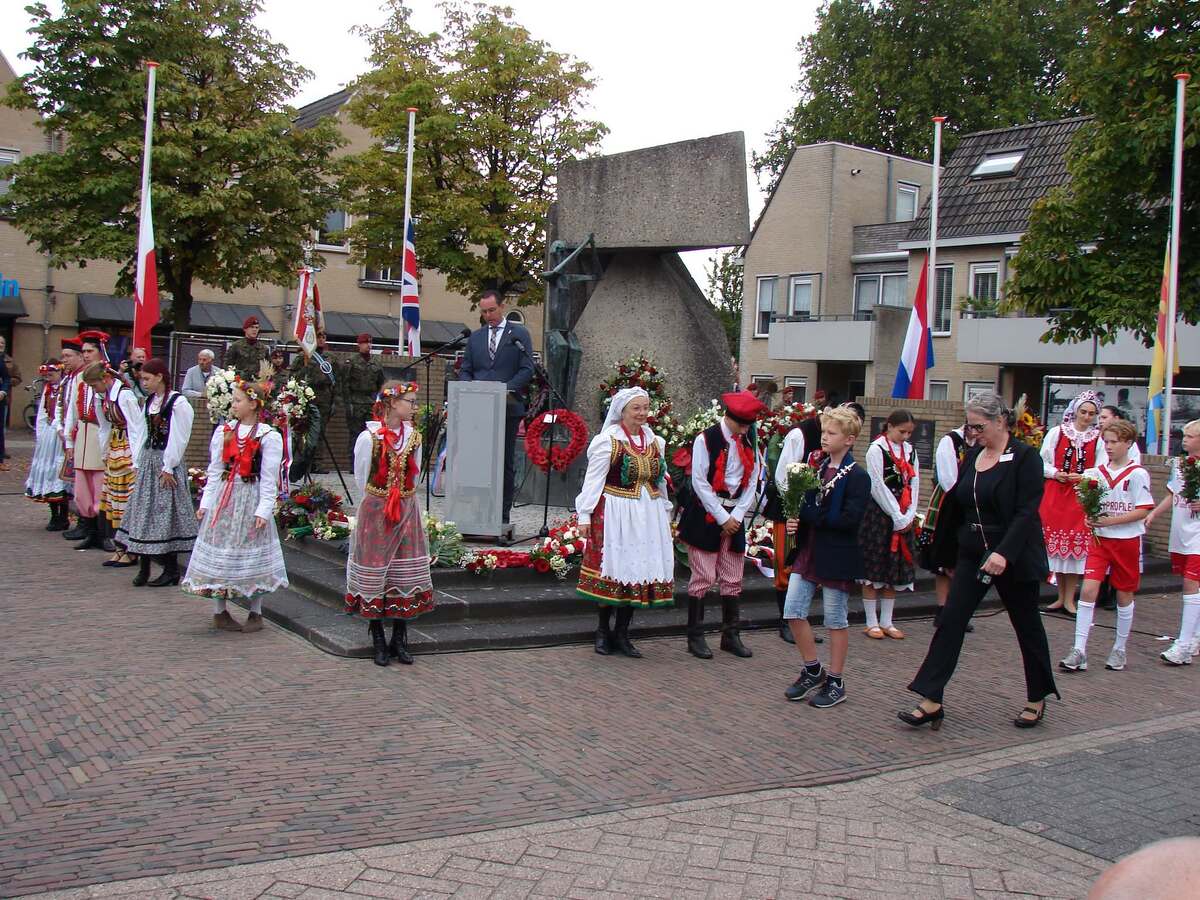
The ceremony in Driel was organised by the Stichting Driel-Polen Foundation and was held at Polenplein (Polish Square), beneath the monument commemorating the soldiers of the 1st Independent Parachute Brigade and its commander, General Stanisław Sosabowski.
The ceremony opened with the presentation of the colours of the 6th Airborne Brigade, which continues the traditions of the 1st Independent Parachute Brigade and proudly bears the name of General Sosabowski.
The Polish brigade was formed with the liberation of Poland in mind. Its soldiers underwent intensive training in the United Kingdom, preparing for a possible airborne operation in occupied Poland. The brigade was ultimately unable to fulfil this original mission and, in September 1944, was assigned to Operation “Market Garden” in the Netherlands.
Operation “Market Garden”
Launched in September 1944, Operation “Market Garden” was an ambitious Allied offensive combining the large-scale deployment of American, British and Polish airborne forces with the advance of the British XXX Corps on the ground.
The operation aimed to seize a series of strategically important bridges and crossings between Eindhoven and Arnhem. By securing these positions, the Allies intended to establish a rapid route across the Rhine and advance towards the industrial heartland of Germany, including the Ruhr, while bypassing the German defensive positions of the Siegfried Line.
The operation was characterised by its scale and ambition, but also involved considerable risks. The Allied forces failed to secure the final major crossing at Arnhem. The British 1st Airborne Division, supported by Polish paratroopers, fought fierce battles in and around the city. The failure to capture and hold the Arnhem bridge subsequently became associated with the phrase “a bridge too far.”
The Polish contribution
The 1st Independent Parachute Brigade, under General Stanisław Sosabowski, was deployed to support the Allied forces fighting in the Arnhem area. Polish paratroopers faced intense German resistance, difficult battlefield conditions and heavy casualties.
Their participation in Operation “Market Garden” remains an important chapter in the history of the Polish Armed Forces in the West. The bravery and sacrifice of the Polish soldiers are also deeply remembered in the Netherlands and have become an enduring element of Polish-Dutch historical relations.
The commemorations in Driel provided an opportunity to pay tribute to the soldiers who fought and died during the operation, as well as to recall the particular history of a Polish military formation that had been created with the liberation of Poland as its ultimate objective.
A ceremony bringing together Poland and the Netherlands
The commemorative ceremony was attended by representatives of Poland, the Netherlands and the Polish Armed Forces.
Speeches were delivered by Frank Boeijen, Chairman of the Stichting Driel-Polen Foundation; Patricia Hoytink-Roubos, Mayor of Overbetuwe; Dilan Yeşilgöz-Zegerius, Minister of Defence of the Kingdom of the Netherlands; and Margareta Kassangana, Ambassador of the Republic of Poland to the Kingdom of the Netherlands.
Poland was also represented by Colonel Piotr Bieniek, Commander of the 6th Airborne Brigade, which continues the traditions of General Sosabowski’s 1st Independent Parachute Brigade.
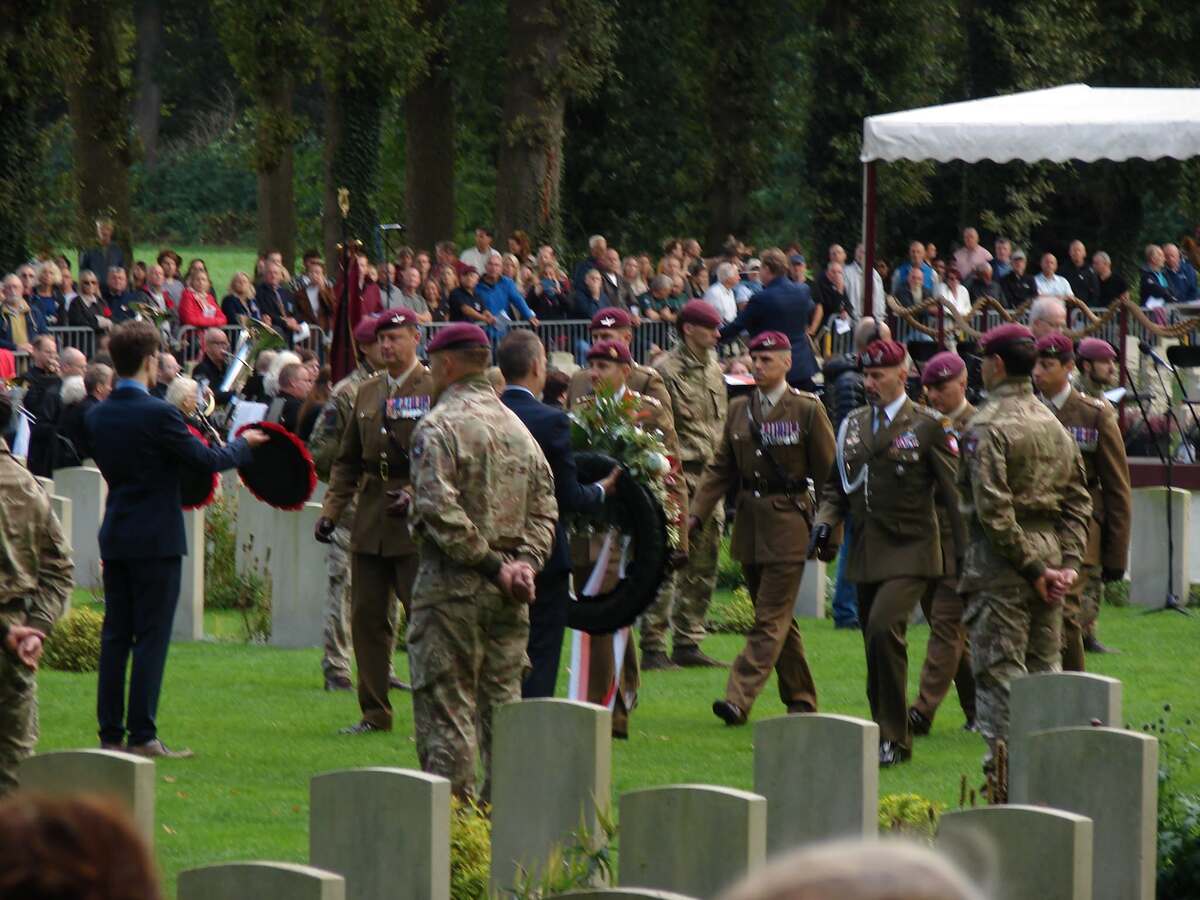
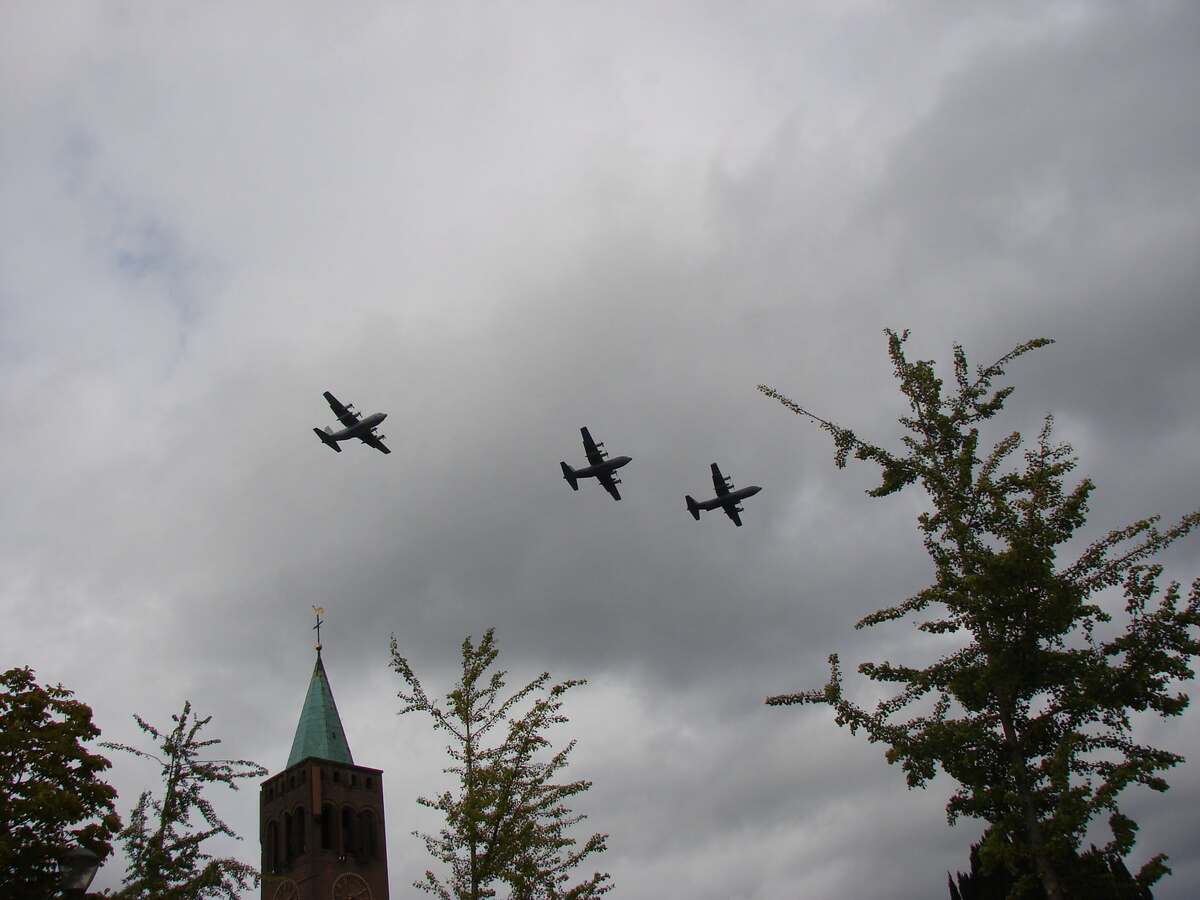
The ceremony included a performance by the “Promyki Krakowa” ensemble, including the famous Polish military song We Are the First Brigade. Wreaths were subsequently laid at the monument commemorating the Polish paratroopers. The ceremony concluded with the playing of the national anthems of Poland, the United Kingdom and the Netherlands, the raising of the national flags, and the departure of the honour guard and the colours of the 6th Airborne Brigade.
Commemorations at Oosterbeek
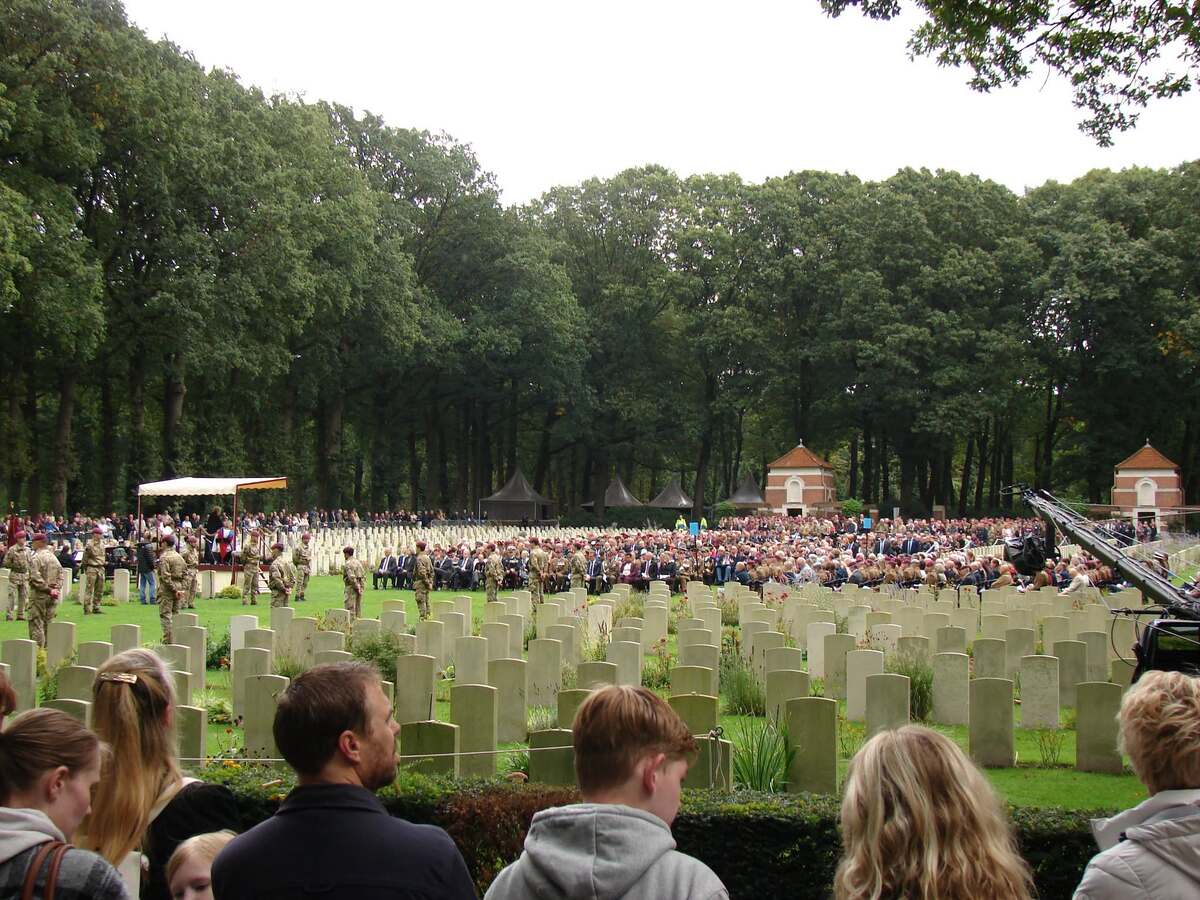
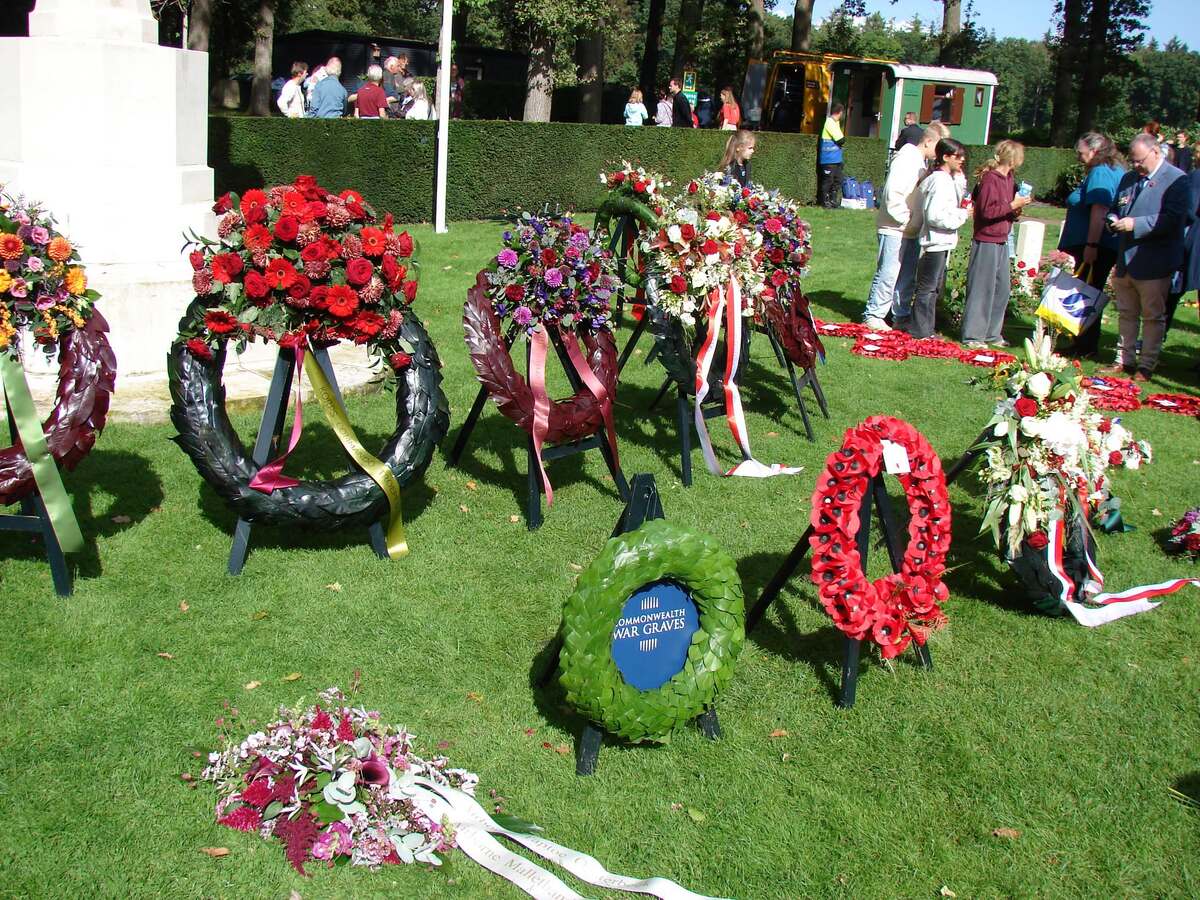
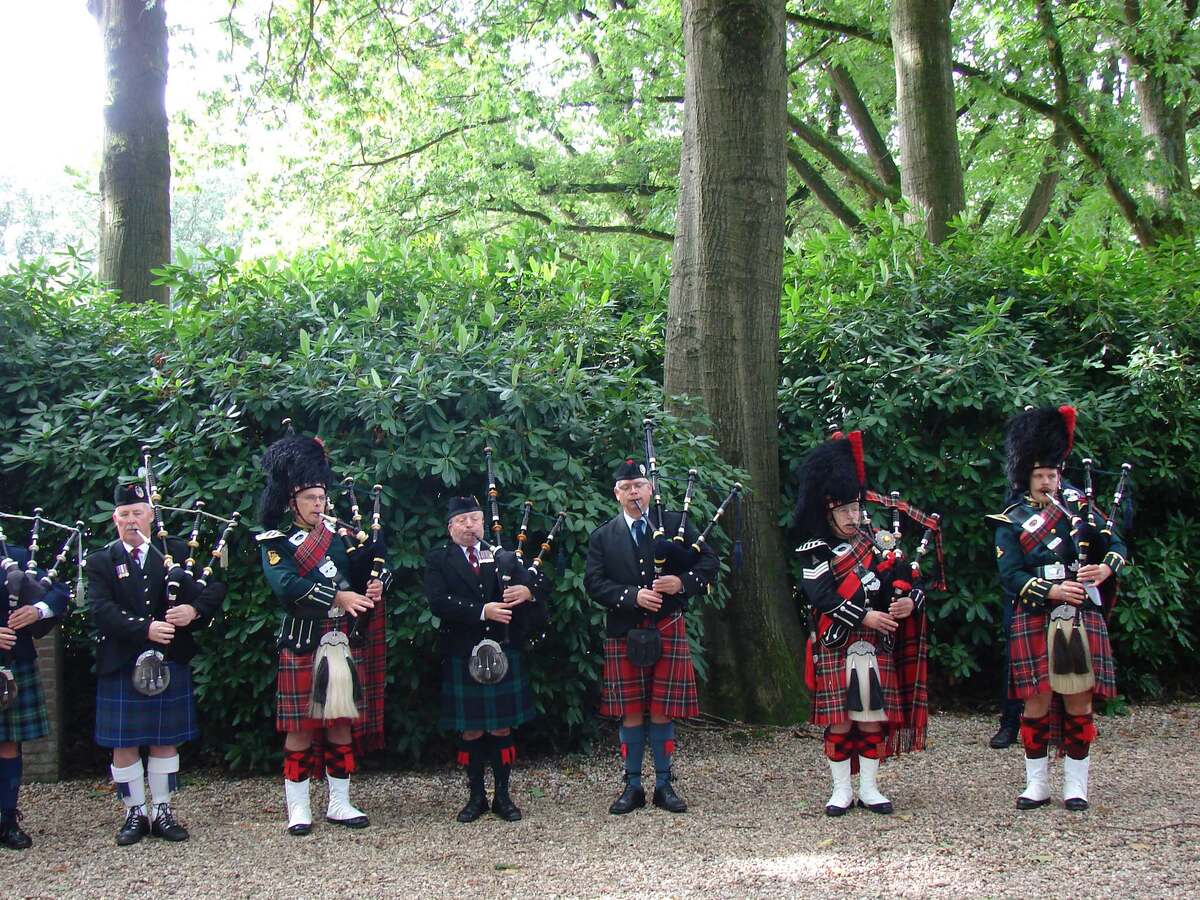
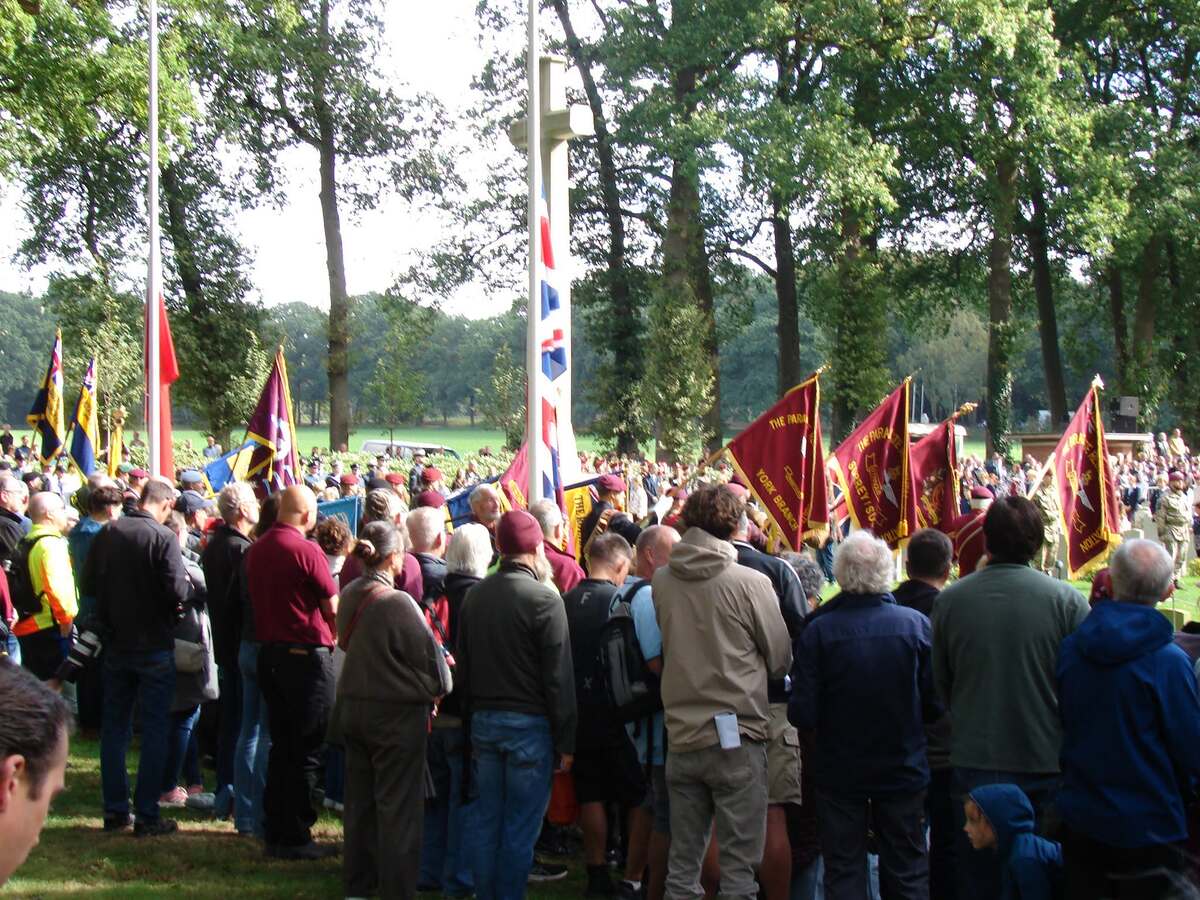
The following day, 20 September, a commemorative ceremony was held at the Commonwealth War Cemetery in Oosterbeek, where soldiers who fell during Operation “Market Garden” are buried.
The ceremony brought together representatives of the Polish and Dutch authorities and military institutions, including Ambassador Margareta Kassangana and Colonel Piotr Bieniek. The commemoration paid tribute to all those who lost their lives during the fighting and reaffirmed the enduring remembrance of the Allied soldiers who took part in the September 1944 campaign.
The commemorations in Driel and Oosterbeek continue a longstanding tradition of remembrance of the Polish paratroopers and General Stanisław Sosabowski, whose contribution to the Battle of Arnhem remains an important part of the shared historical heritage of Poland and the Netherlands.