
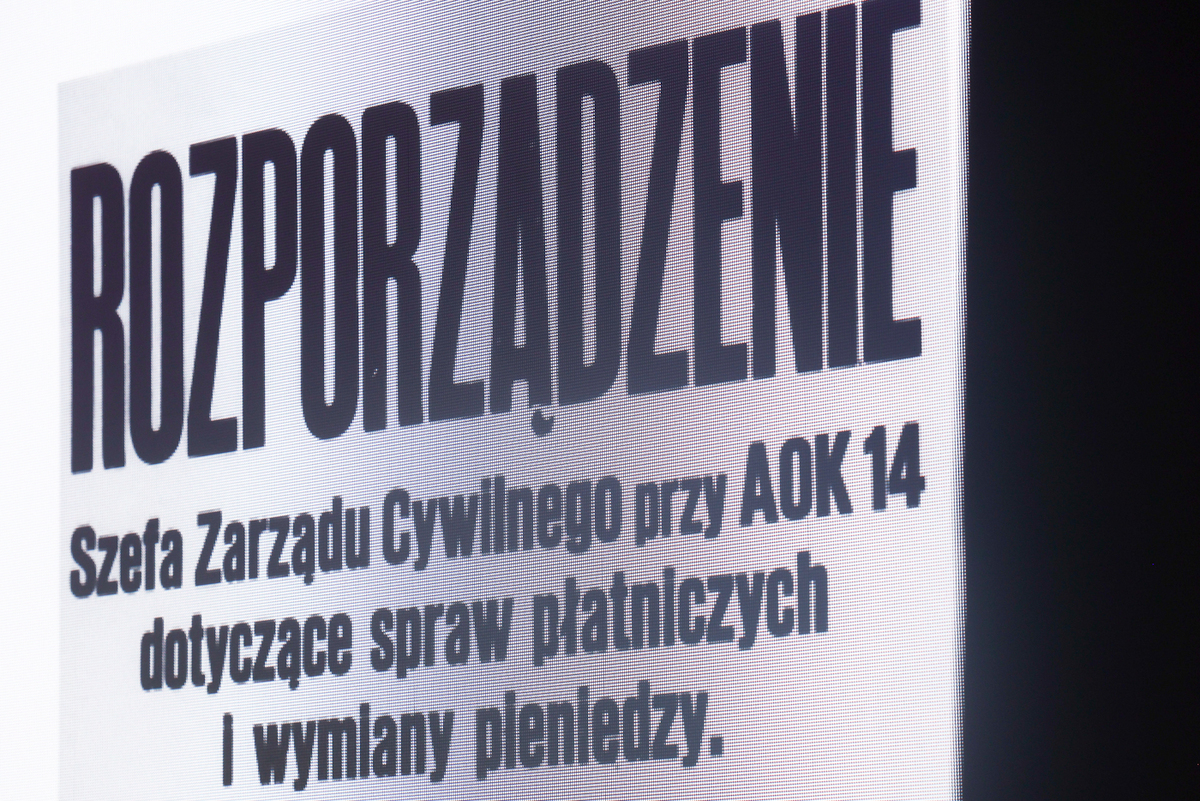
On 16 October 2026, the IPN held an academic conference entitled “The Impact of German Occupation Legislation on Polish-Jewish Relations in the General Government” at the Lech Kaczyński Central History Point in Warsaw.
The conference marked the 85th anniversary of the German occupation authorities' Third Regulation on Restrictions of Residence in the General Government, issued on 15 October 1941. It introduced the death penalty for Jews who left the ghettos without authorisation and for those who knowingly provided them with shelter.
The regulation became an important instrument of German persecution, further tightening the system of repression against Jews and creating a legal framework for punishing people who attempted to help them.
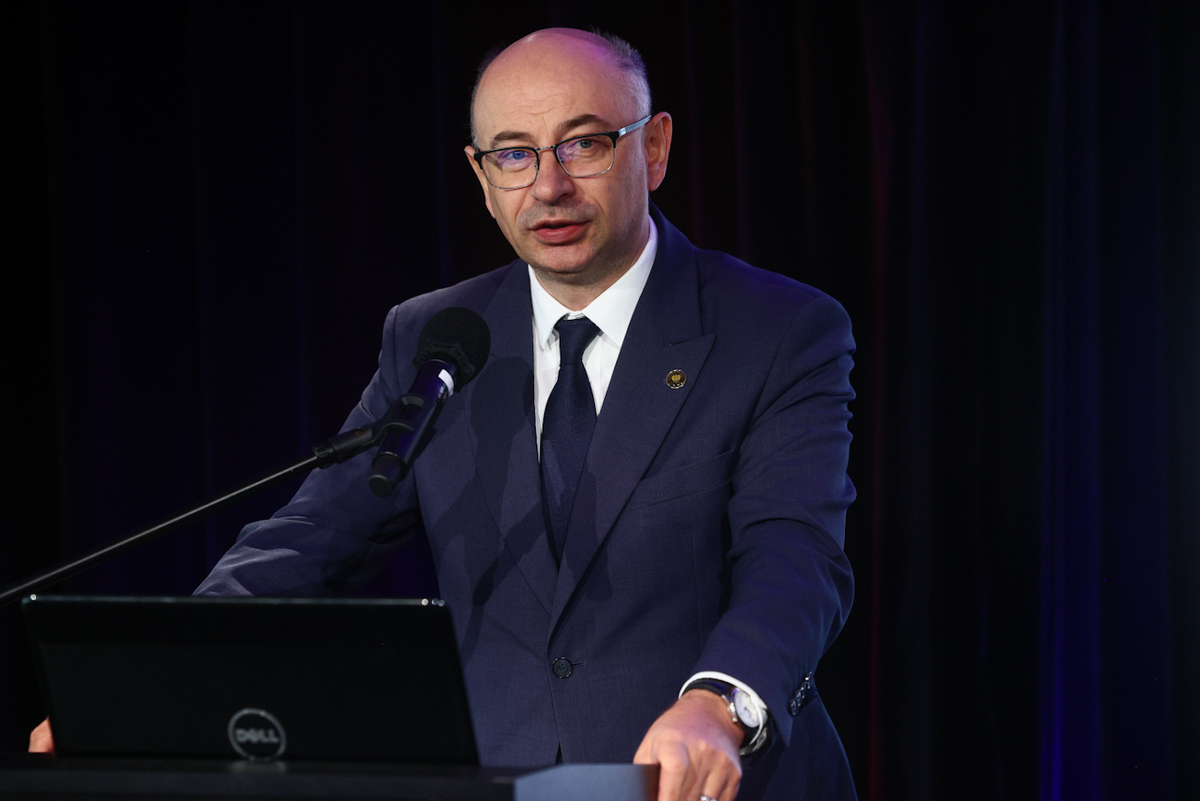
“Recognising the role of German occupation legislation should also be crucial when examining Polish-Jewish relations during the war. The regulation of 15 October marked an important stage in the development of criminal legislation targeting Jews and Poles who provided them with assistance,” said Mateusz Szpytma, the Deputy President of the IPN.
He also referred to the murder of the Ulma family in Markowa in March 1944. Józef and Wiktoria Ulma, their children and the eight Jews they had been sheltering were murdered by German gendarmes.
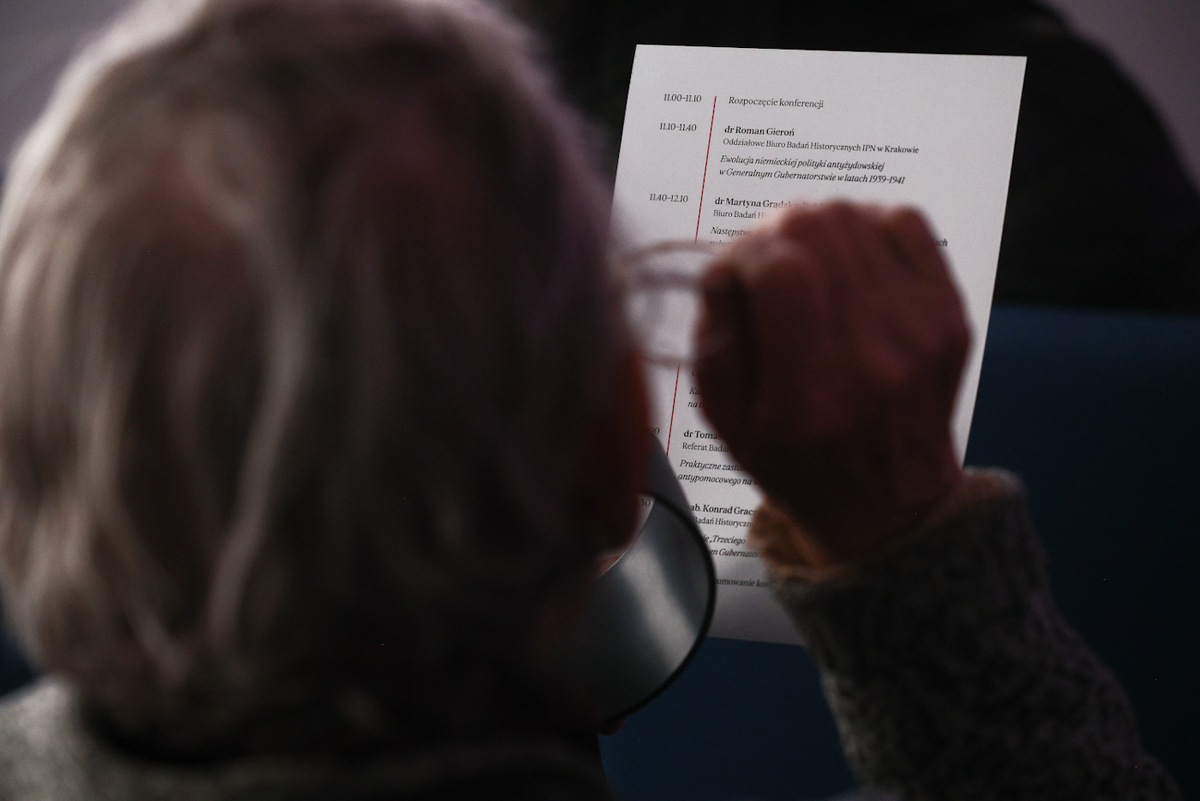
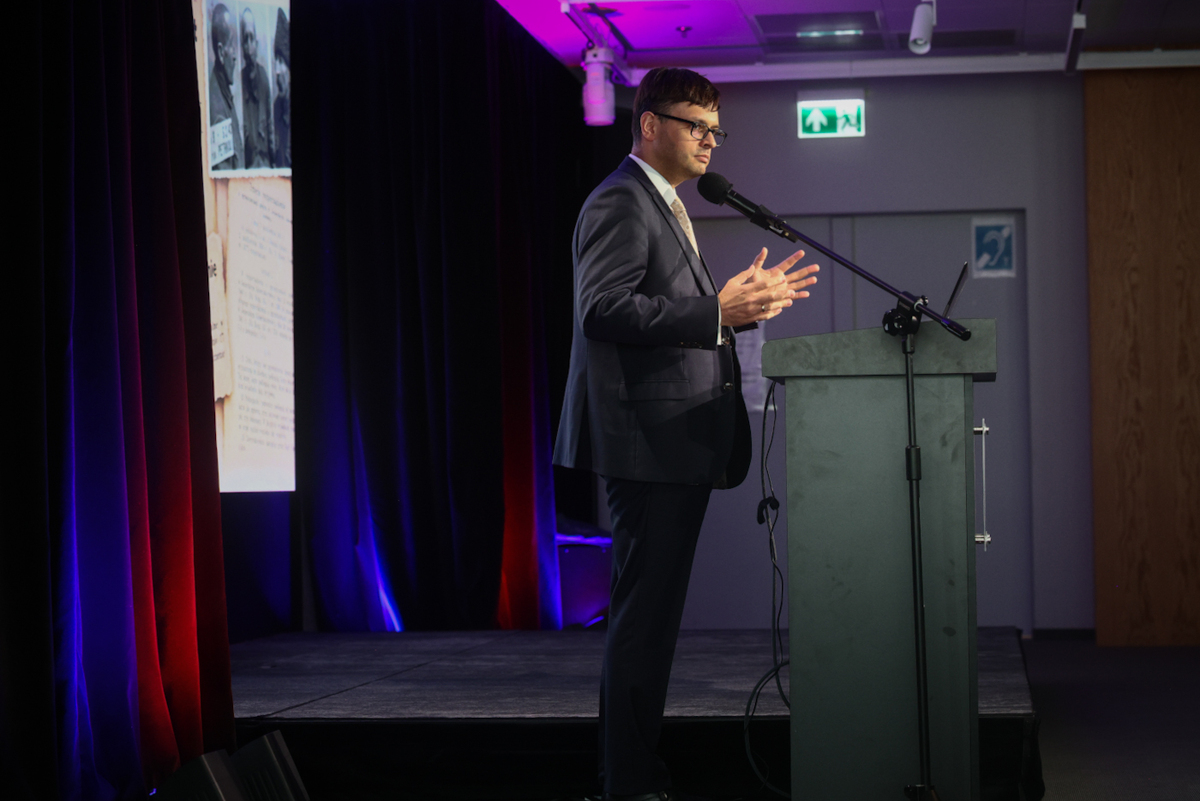
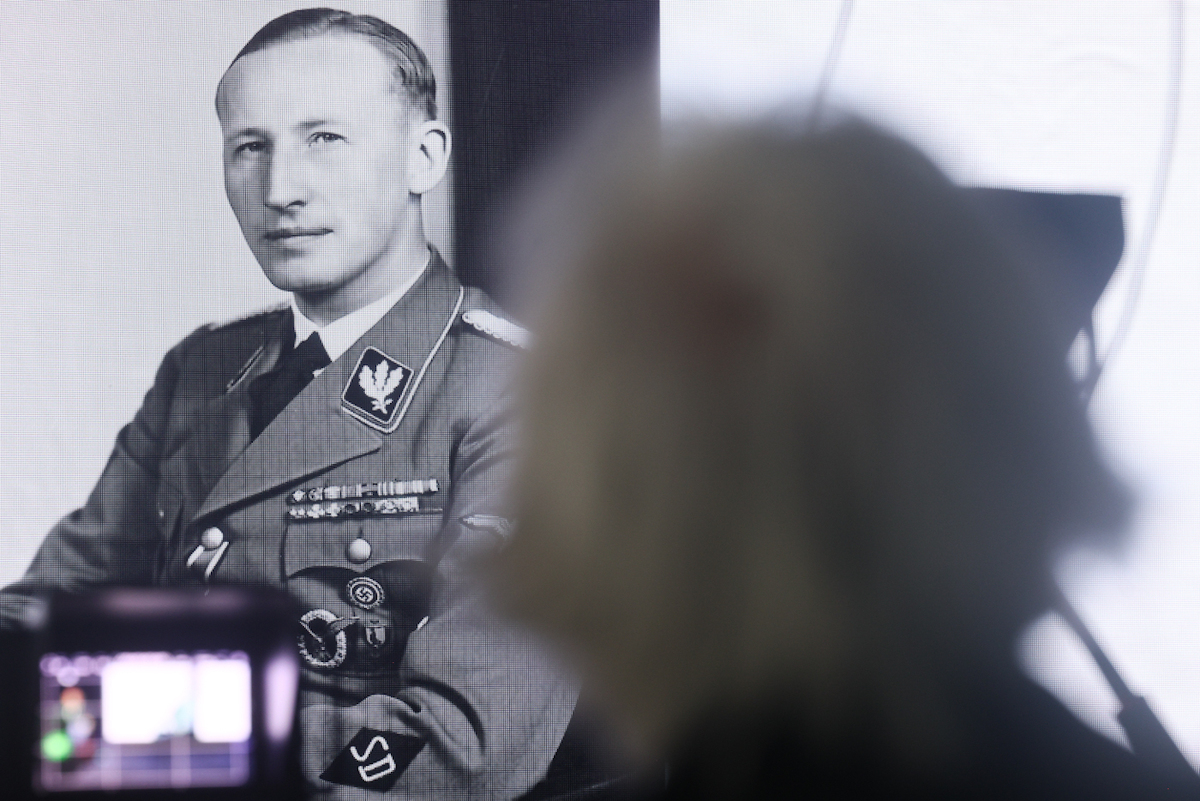
The conference brought together historians examining the evolution of Nazi Germany's anti-Jewish policies in occupied Poland, the consequences of the October 1941 regulation, and the system of penalties imposed on those who aided Jews.The presentations also explored the responses of Poles to German anti-Jewish measures, the enforcement of occupation legislation in rural communities, and the application of the regulations by German special courts. Particular attention was paid to comparing the penalties for assisting Jews in occupied Poland with those imposed in Western Europe.
Understanding the legal framework imposed by Nazi Germany is essential to examining the complex history of Polish–Jewish relations during the Holocaust, including both acts of solidarity and assistance and instances of hostility and betrayal.
The conference was organised by the IPN Historical Research Office .