
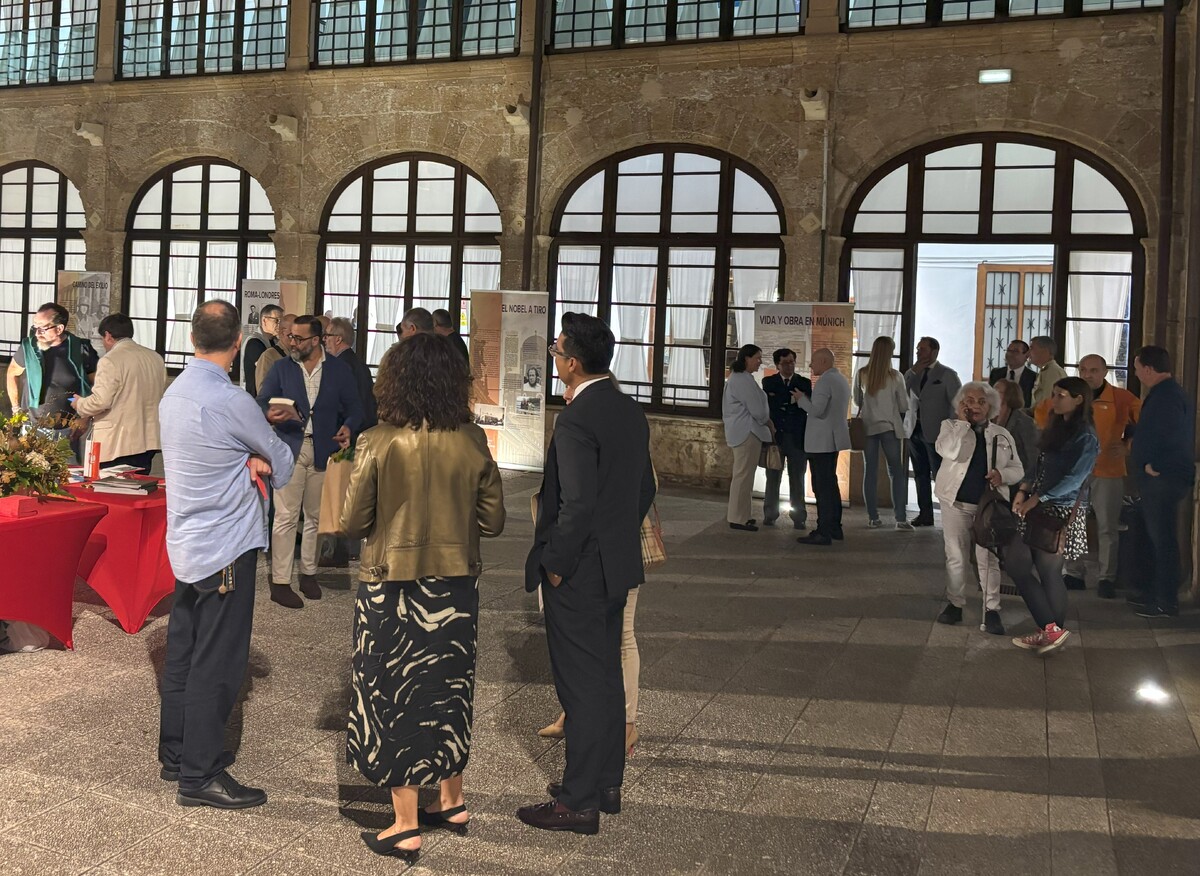
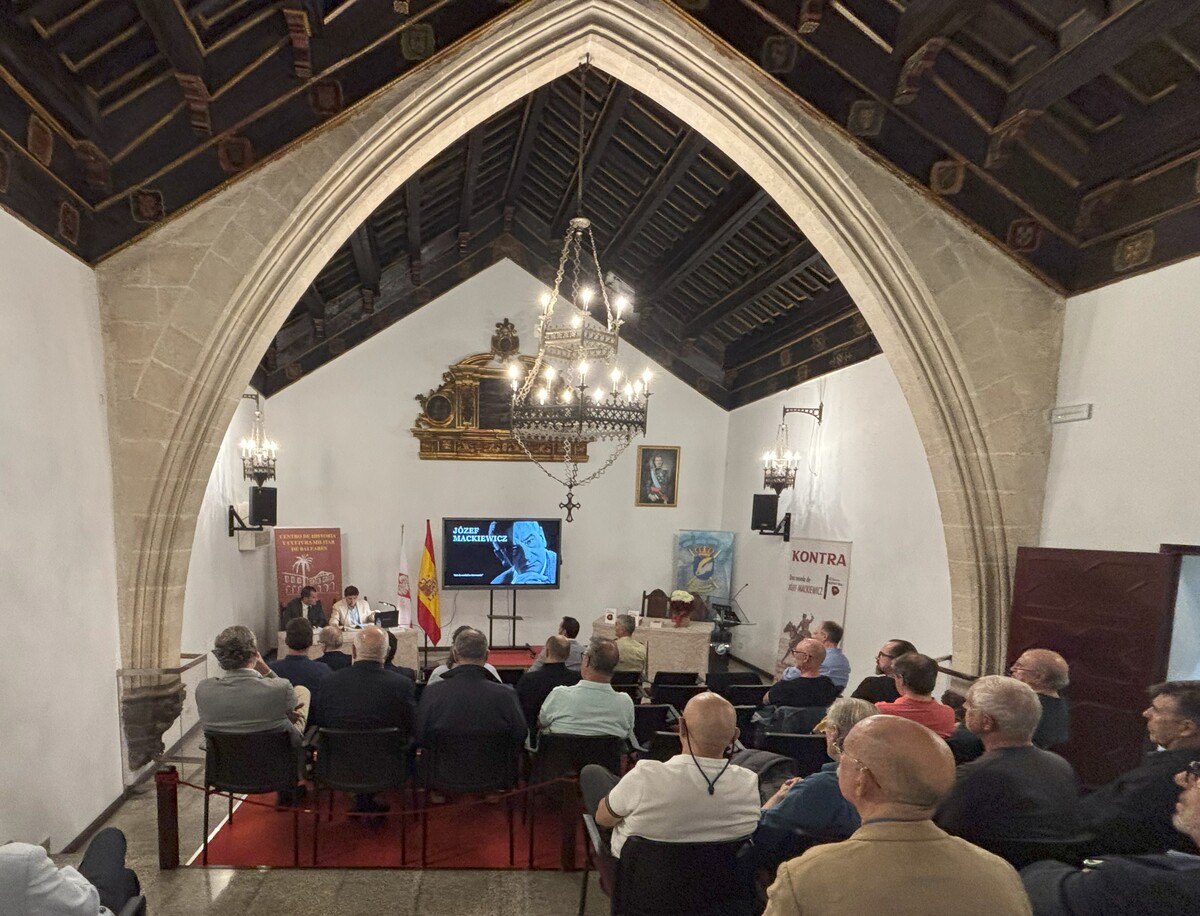
An exhibition organised by the Institute of National Remembrance (IPN) and dedicated to the Polish writer and anti-communist activist Józef Mackiewicz opened on 27 October 2026 at the Centre for Military History and Culture in Palma de Mallorca, Spain.
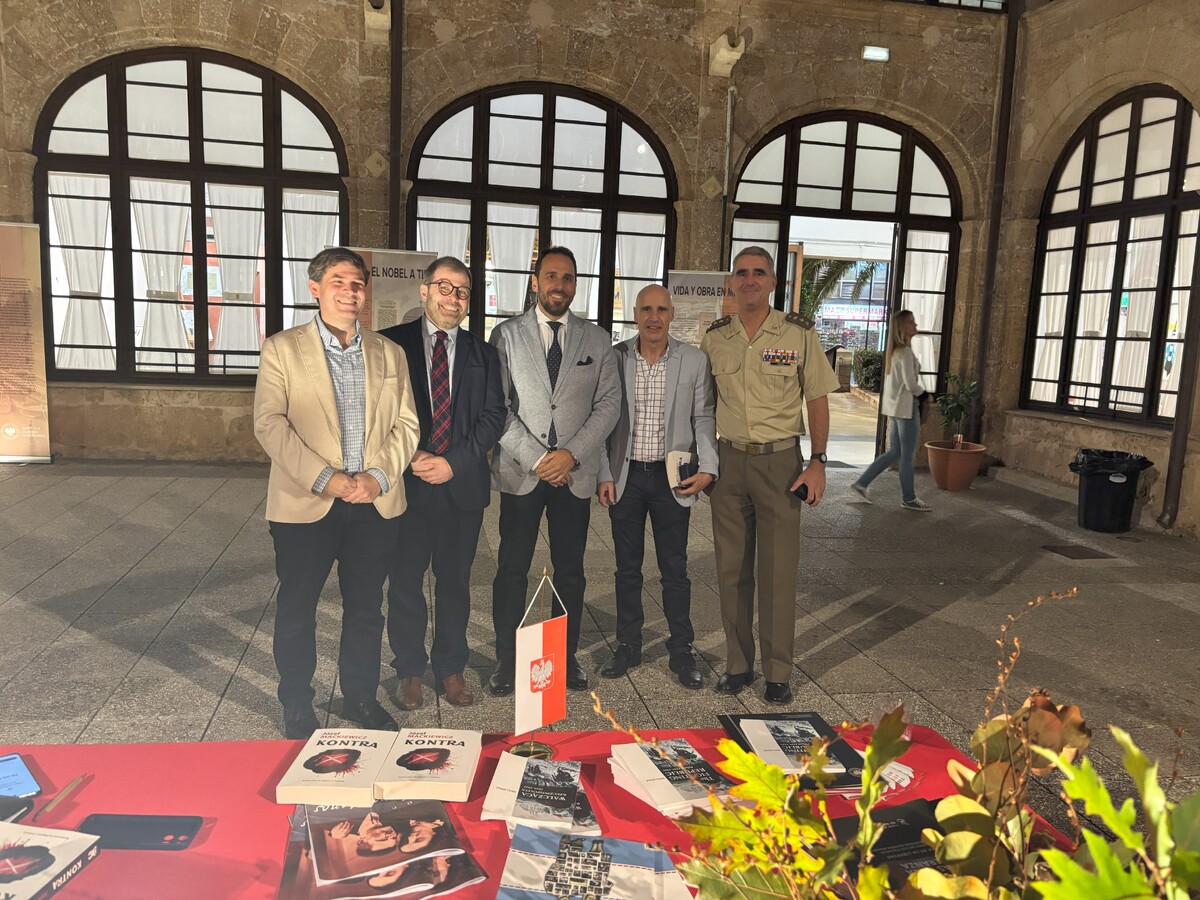
The opening was organised in collaboration with Higinio J. Paterna Sánchez, a translator from Polish into Spanish, whose latest translation of Kontra, one of Mackiewicz’s most famous works, was recently published in Spain.
The opening ceremony was attended by the Polish Honorary Consul, Ignacio Fiol, representatives of the local Polish diaspora and members of the diplomatic corps, as well as the Chief of Police for the Balearic Islands, José Antonio Puebla, and Colonel Iván Morgan Planas, Chief of Staff of the Balearic Islands General Command.
The Deputy President of the IPN, Dr Karol Polejowski, sent a letter to those attending the event:
“Kontra is much more than a historical novel. It is a moving analysis of loyalty, betrayal, exile and the struggle for freedom in an era dominated by totalitarian ideologies. Mackiewicz lays bare the human consequences of political agreements between the great powers, forcing readers to confront uncomfortable historical realities,” the letter reads.
“It is this unwavering commitment to historical truth that means Mackiewicz plays a particularly important role in the mission of the Institute of National Remembrance. His famous conviction that ‘only the truth is interesting’ continues to inspire efforts to research, document and disseminate the difficult history of the 20th century,” emphasised the Institute’s deputy president.
The opening of the exhibition was accompanied by a lecture on the life and wartime experiences of Józef Mackiewicz, delivered by Dr Maciej Zakrzewski from the Kraków branch of the IPN.
By presenting Mackiewicz’s work to a Spanish audience, the exhibition pays tribute to one of Poland’s most outstanding writers, whilst strengthening cultural dialogue between the two countries.
The event was prepared and organised by the IPN’s Office for International Cooperation.