×
Search this website for:
09.12.2008

“Women in internment. Gołdap 1982” – Białystok, December 10, 2008


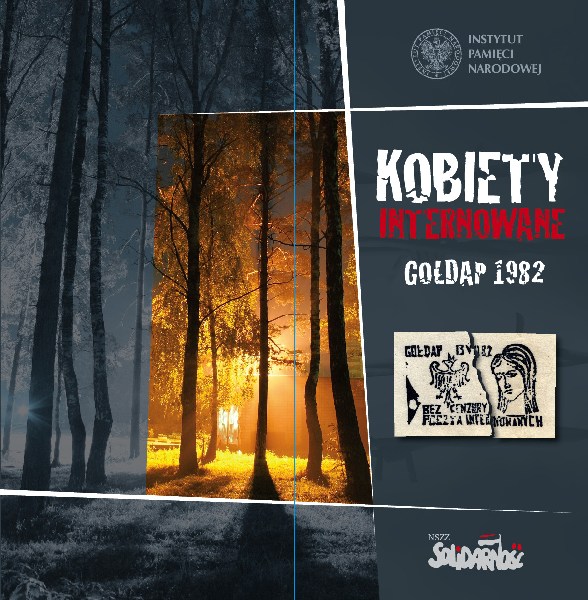
On December 10, 2008 as a part of the commemorative ceremonies of the 27 anniversary of the Martial Law – the Institute of National Remembrance opens up an exhibition in the city of Białystok entitled: “Women on internment. Gołdap 1982” – dedicated to the 400 women which were sent to the internment at the Solitary Confinement Center in Gołdap. A movie presentation will follow – a 52 minute piece by Tomasz Orlicz, which is a documentary on the Gołdap Center. A number of the then imprisoned women, will visit Gołdap as special guests as well. The ceremony will commence at 12:00 in Białystok’s IPN branch building on Warsztatowa street no. 1A.

***

The Women’s Solitary Confinement Center in Gołdap existed between January 9 and July 24 1982, and about 392 women kept in internment in that period (116 of them from the Lower Silesia region alone). The first transport of the women got to the Center, three days before it was even officially called to existence. It was commonly referred to as the “golden cage”, because – for propaganda reasons – it was located at a luxurious (at least for these days) Holiday Resort for the Central Workers Union of the Press, Book, Radio and Television. The women who were in internment, were a target of the media “witch-hunt”, which portrayed them to the tormented with poverty and state-provided violence society, as a symbol of debauched opposition. The television cameras recorded the conditions in which the women were kept as well as their personal property was filmed in order to expose how much they have enriched themselves on foreign support. “Here they live in luxury and strut around in the aura of national heroes. Free Europe and the BBC and other foreign radios talk of them. After leaving the Center they would have to join the rest of the anonymous crowd, return to the straining jobs (...) and undergo the same daily routines, as us, the unrepressed who live our ordinary lives” – wrote the regime’s writer and a journalist of the Białystok’s “Gazeta Współczesna” (Contemporary Newspaper) – Dionizy Sidorski. This symbolic “golden cage” had another, dominating dimension to it: the women were kept under the strict supervision of the military, prison guards and the officers of the secret police (SB). They were depraved of any outside contact (including family), invigilated and talked into collaboration. Nevertheless, there were some significant, informal activities such as listening to the foreign radio stations (through smuggled radios), production of flyers and stamps, publishing of underground press and providing self-education courses. The imprisoned women even tried to form an Inter-Gołdap Opposition University – an effort hampered by the SB. Despite the protests of the Center’s management – the women celebrated national (patriotic) holidays and carried out protests (including hunger strikes).

The communist authorities did not allow for the former internees to return to their ordinary lives. The students couldn’t finish their academic studies, the workers were forced out of their jobs, some were forced to migrate out of the country. During the internment, some women experienced family breakdown, while some had their friends turn their back on them. The majority though, survived in their resistance toward the system and the communist authorities, which was a direct result of the Gołdap “education”.


Subscribe to our newsletter

Sign up for a fresh look at history: stay up to date with the latest events, get new texts by our researchers, follow the IPN’s projects