
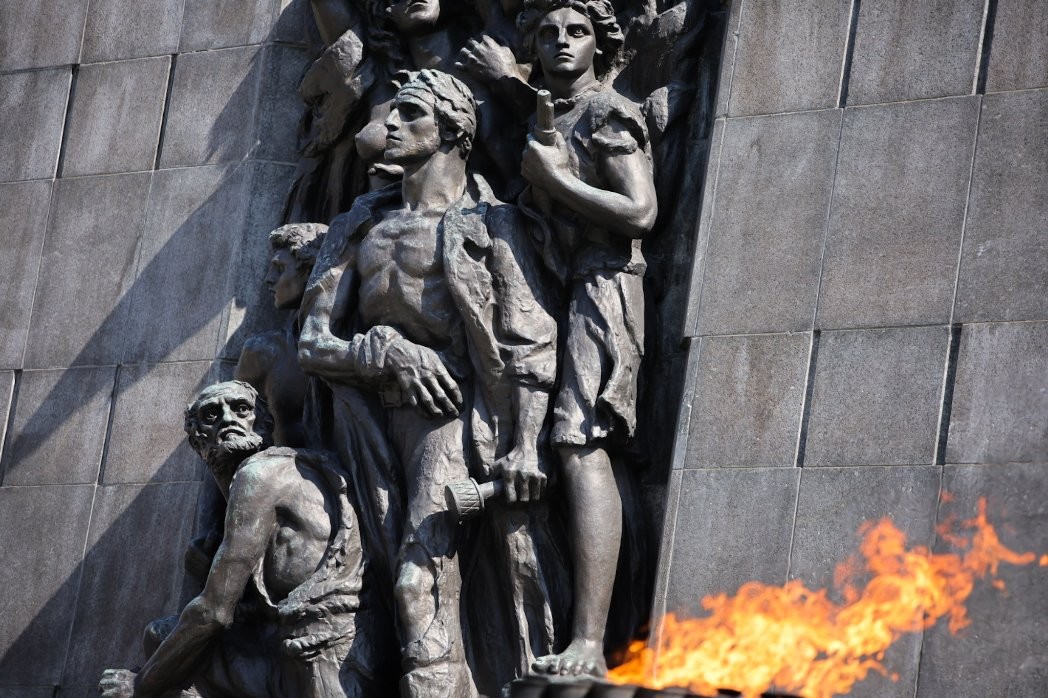
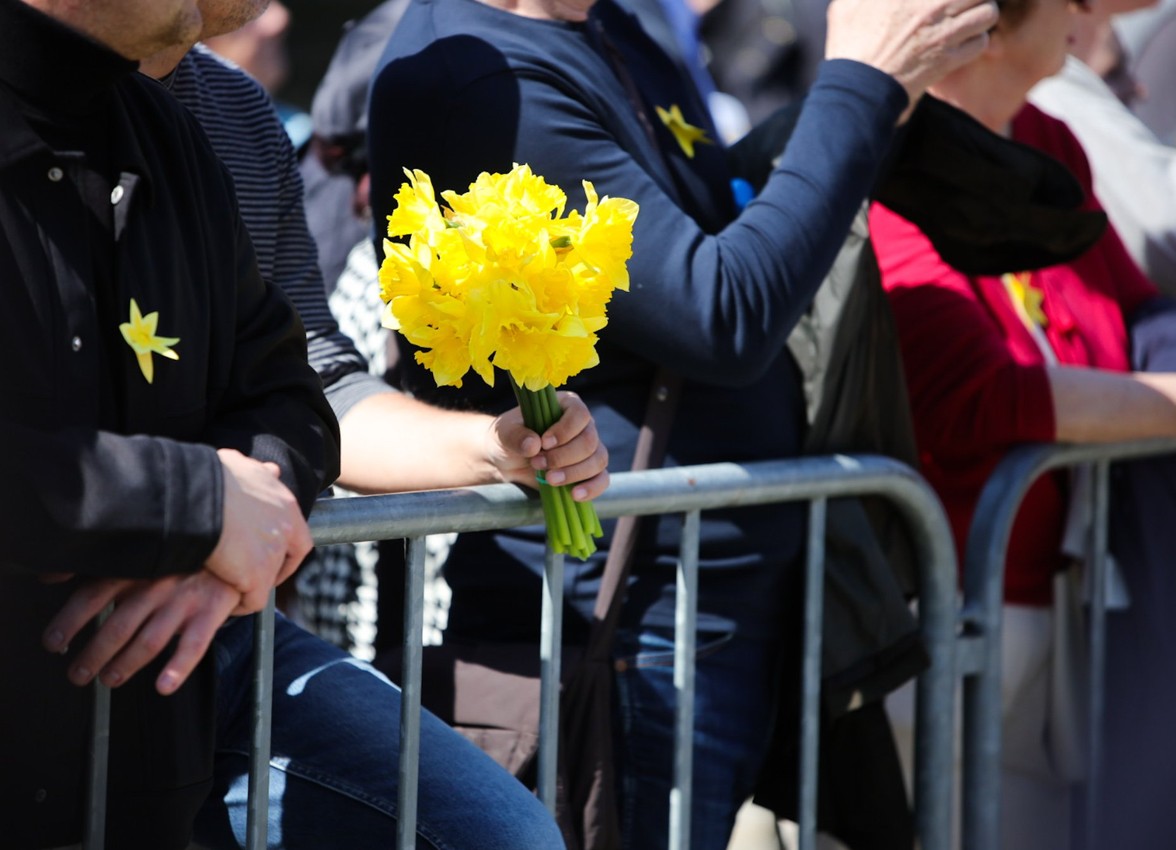
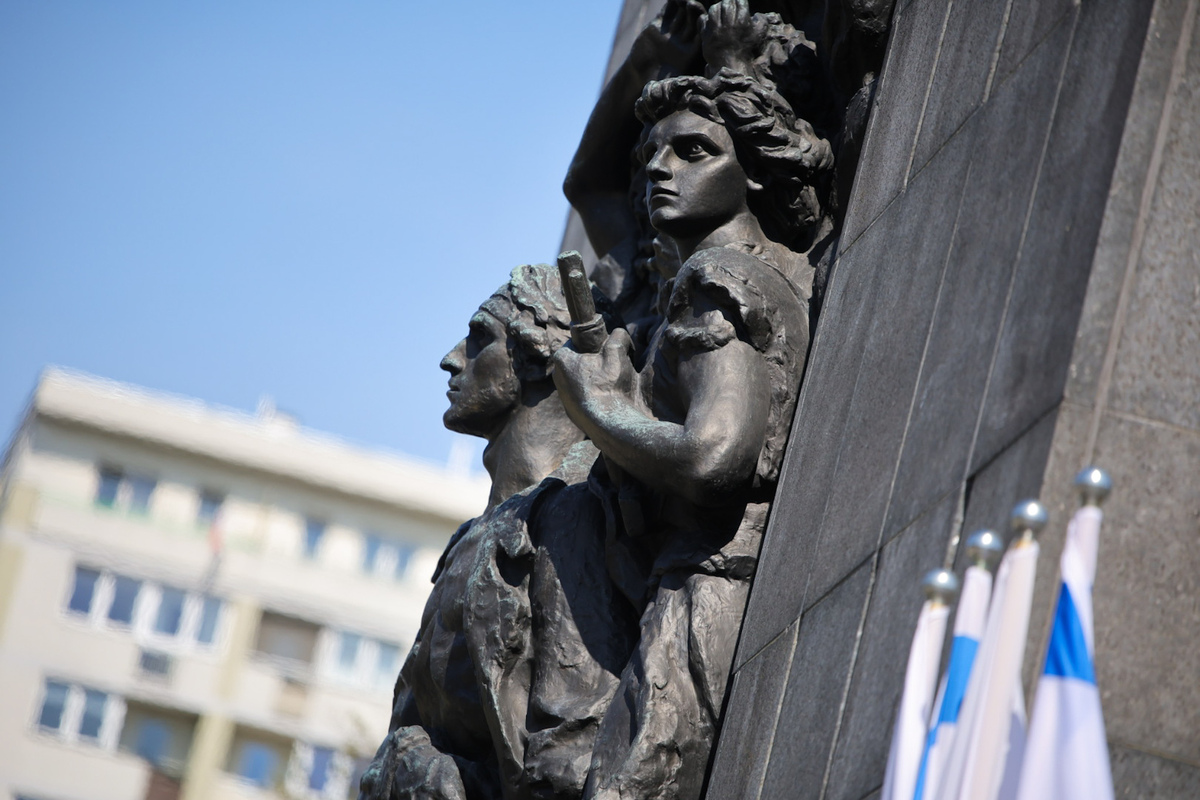
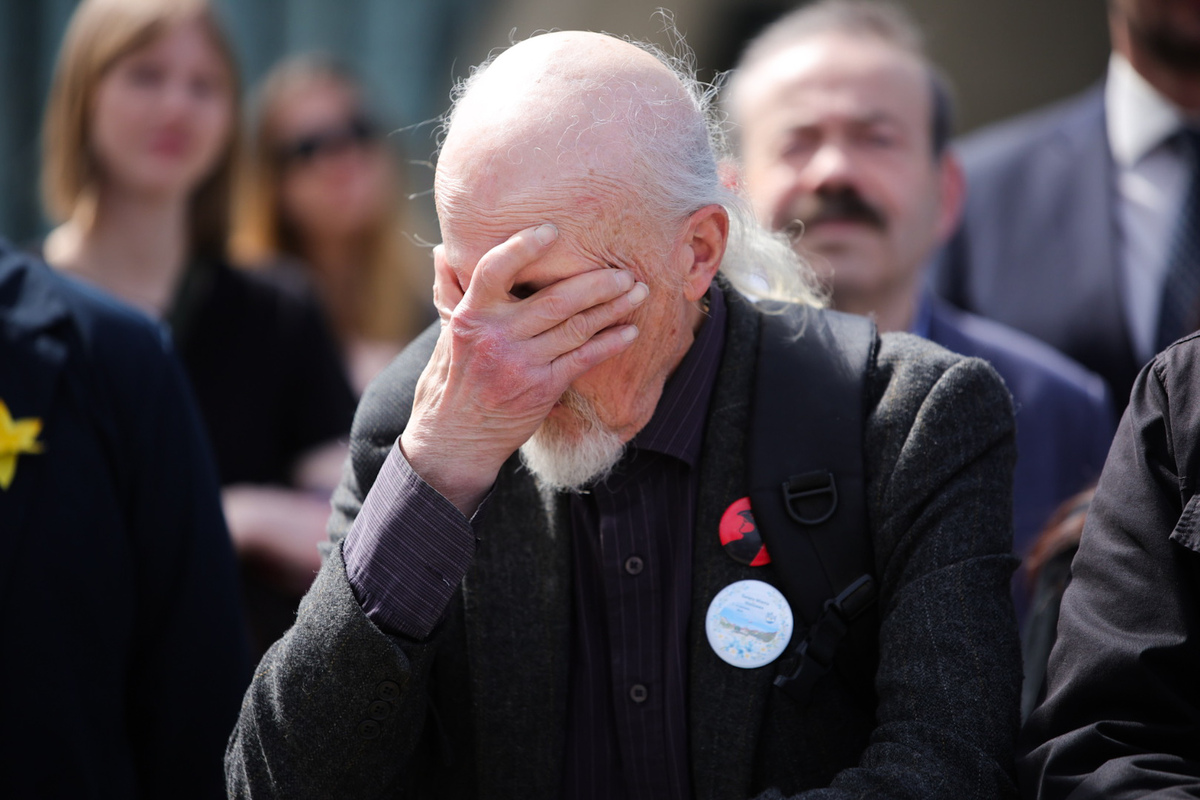
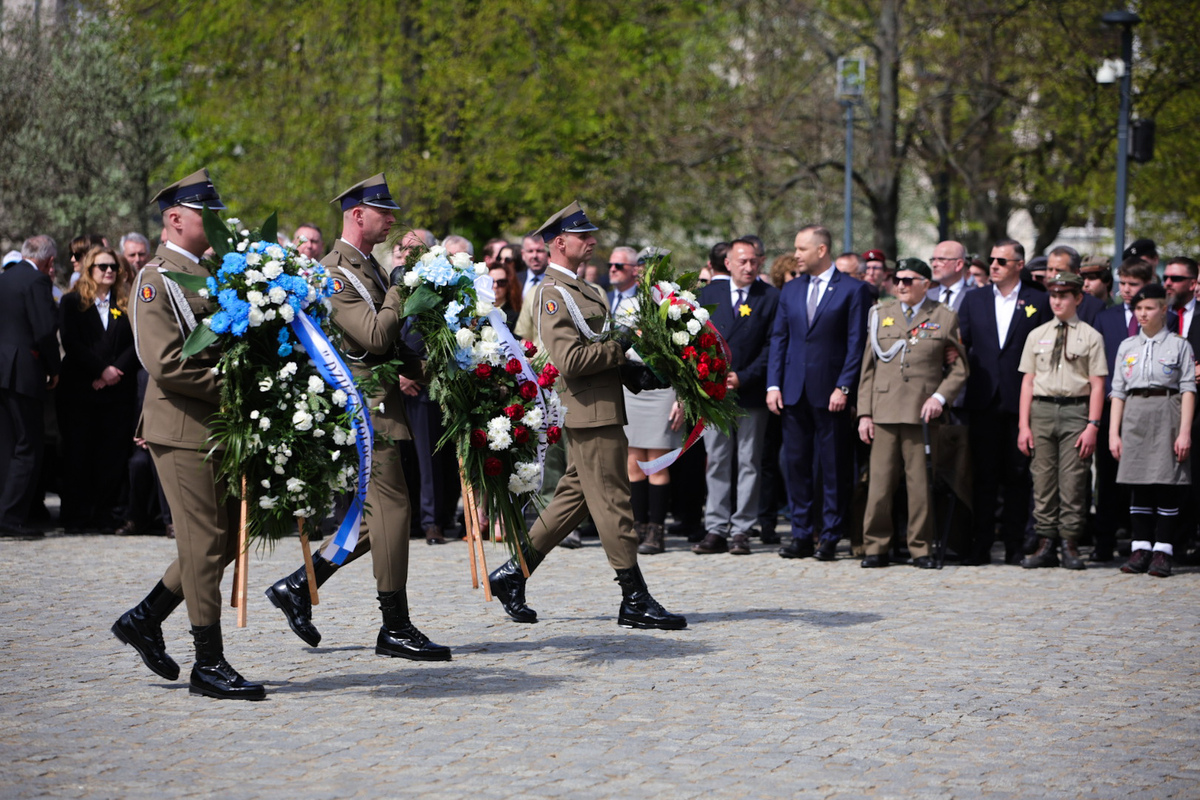
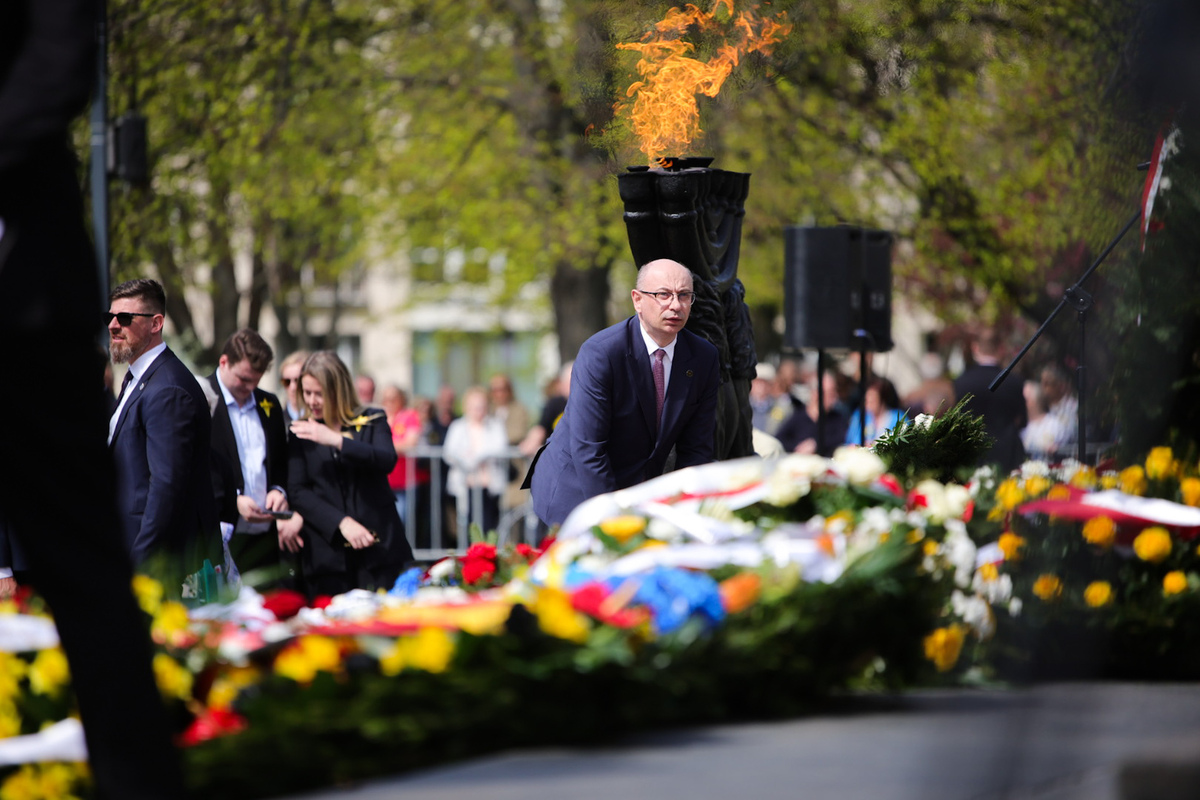
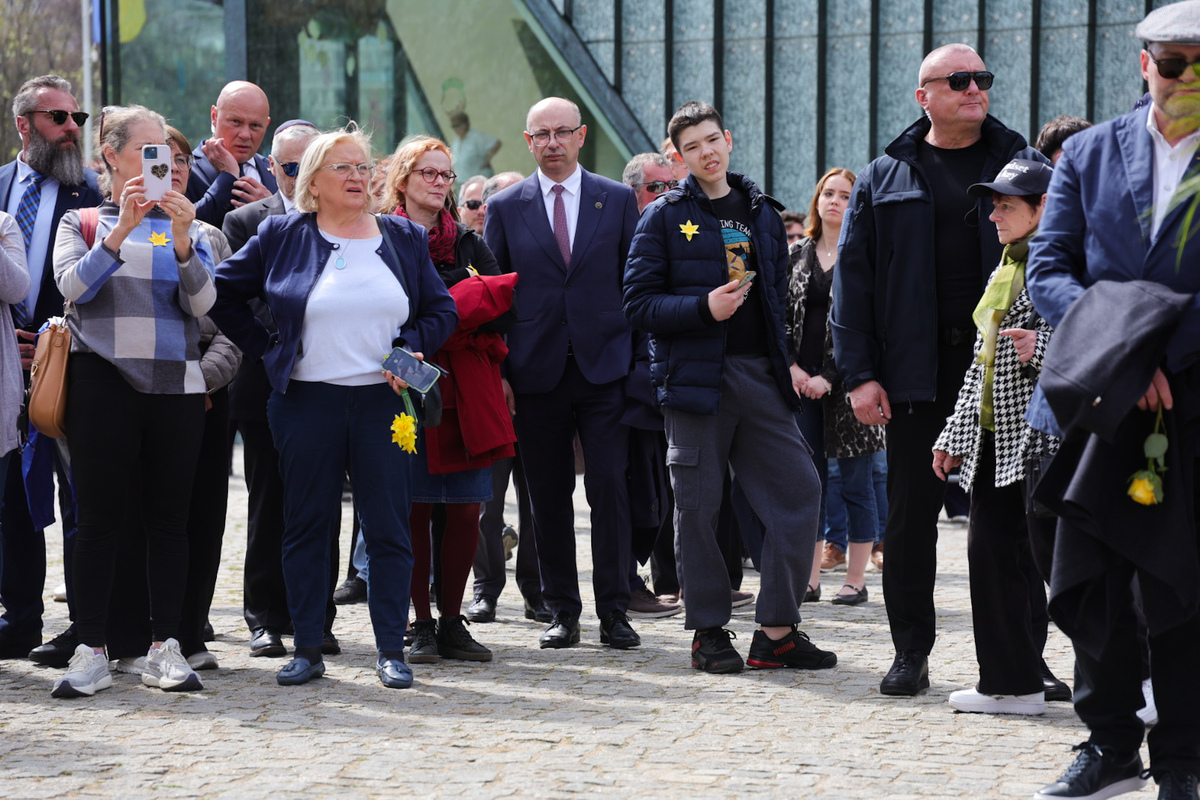
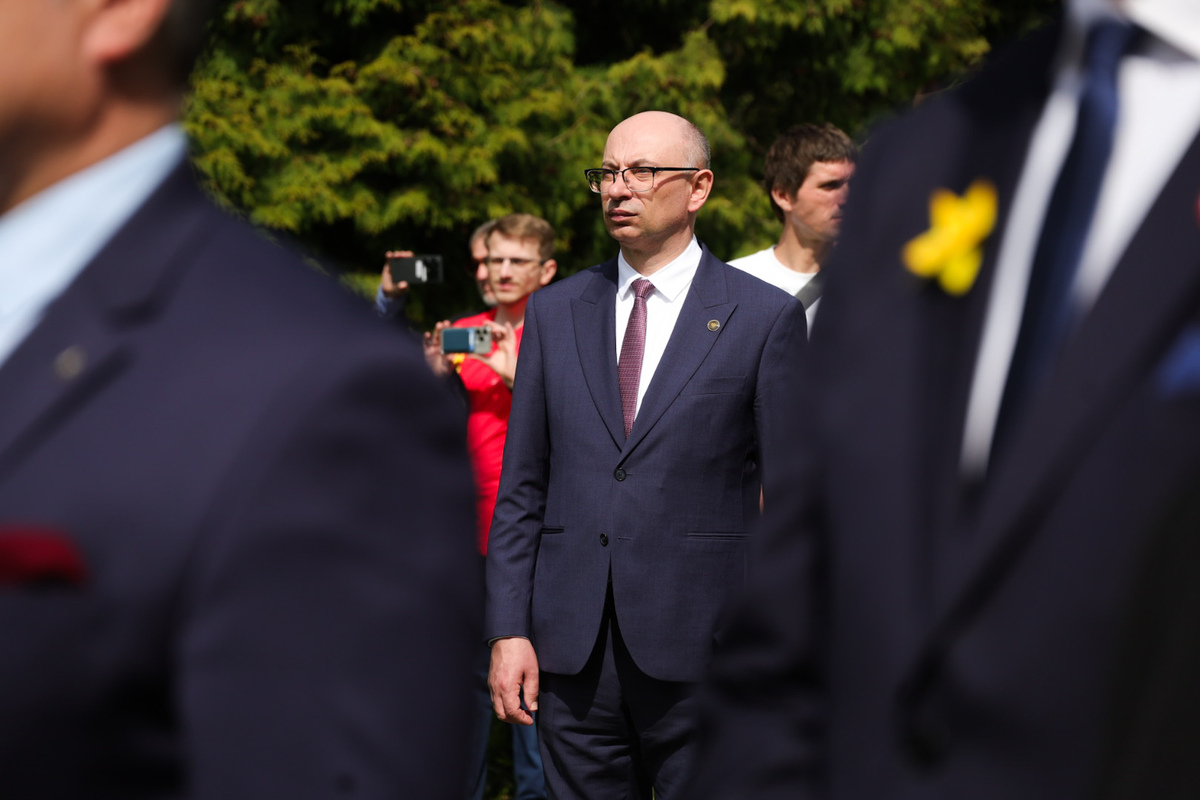
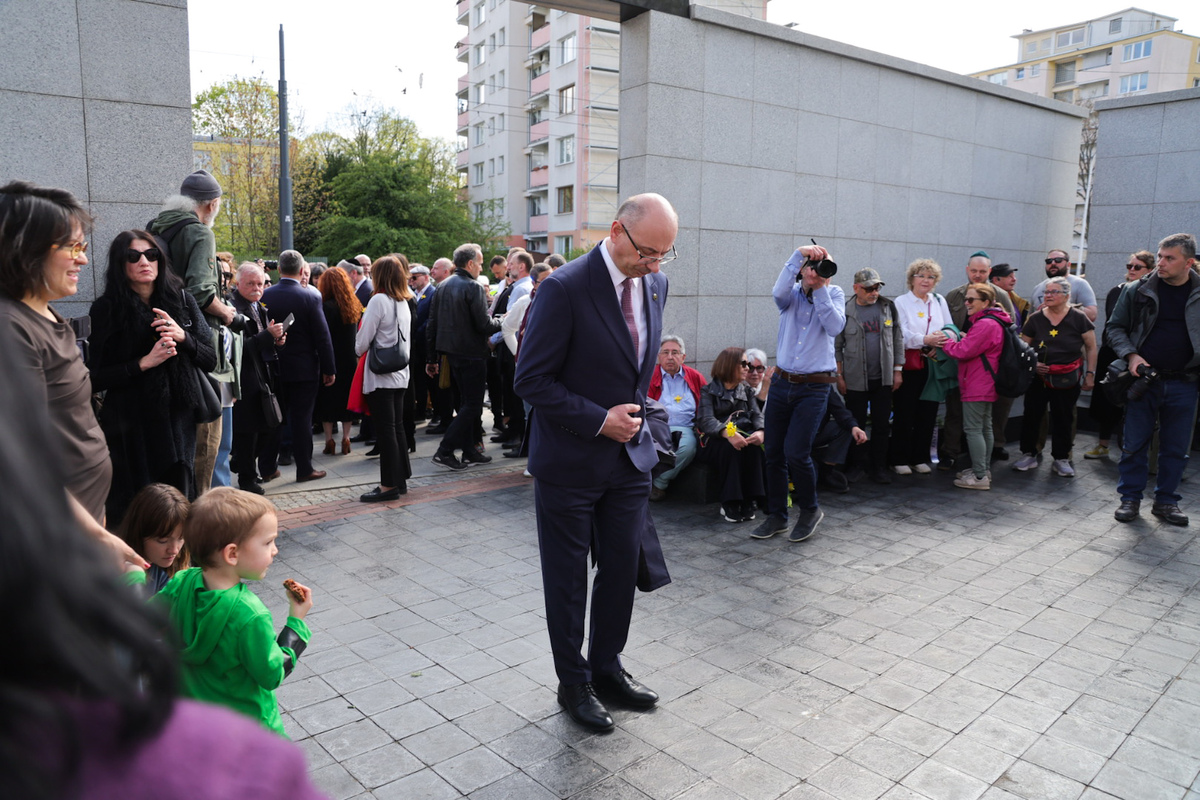
On 19 April we recall the Warsaw Ghetto Uprising which broke out 83 years ago, on 19 April 1943.The resistance of the insurgents remains one of the most significant acts of defiance against German tyrrany during the Second World War. By paying tribute at the Monument to the Ghetto Heroes, we honour the memory of the fighters and the civilian population.
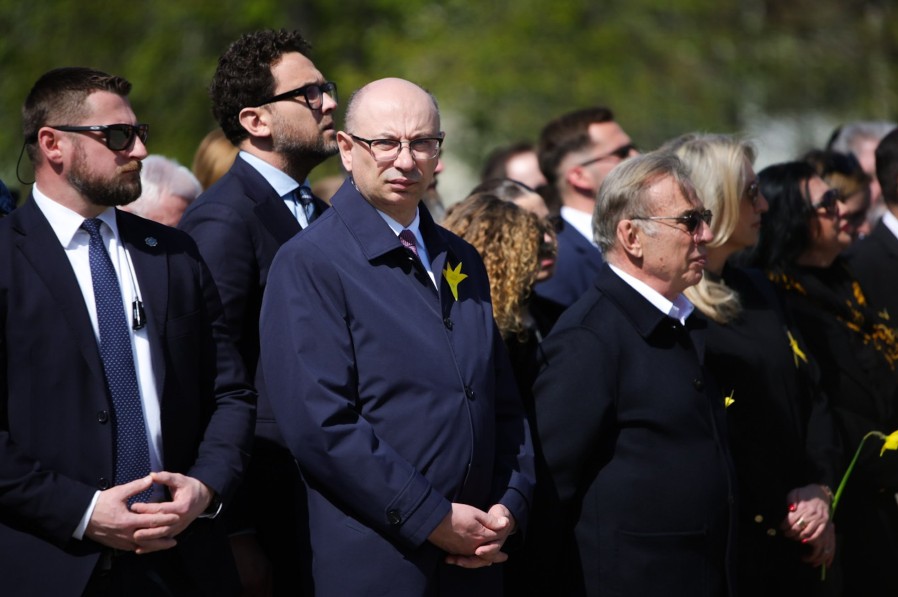
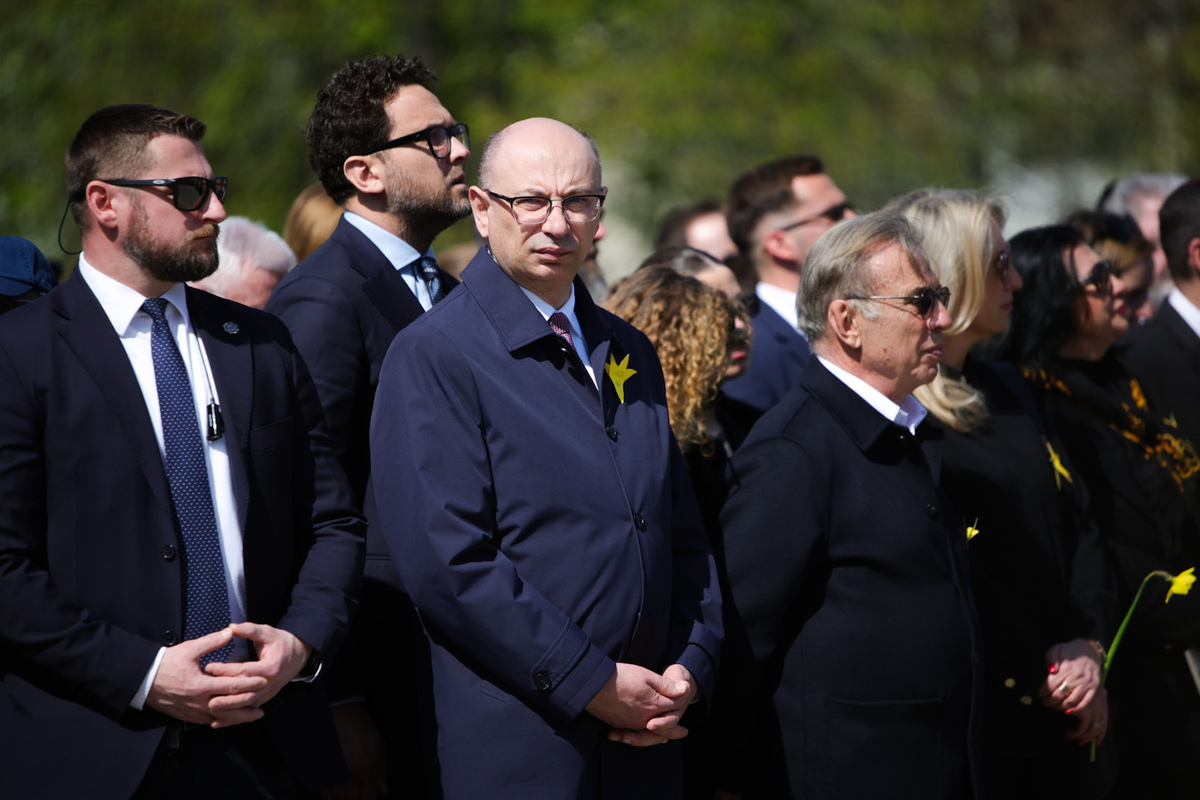
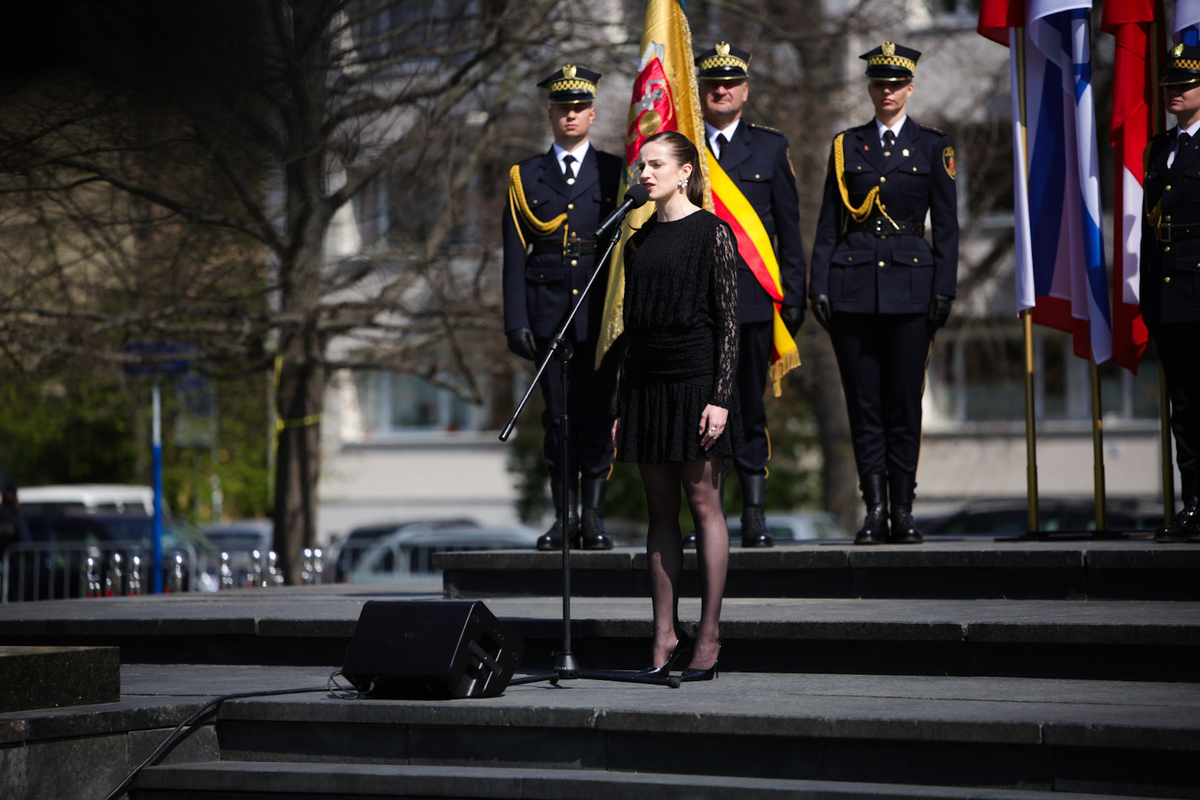
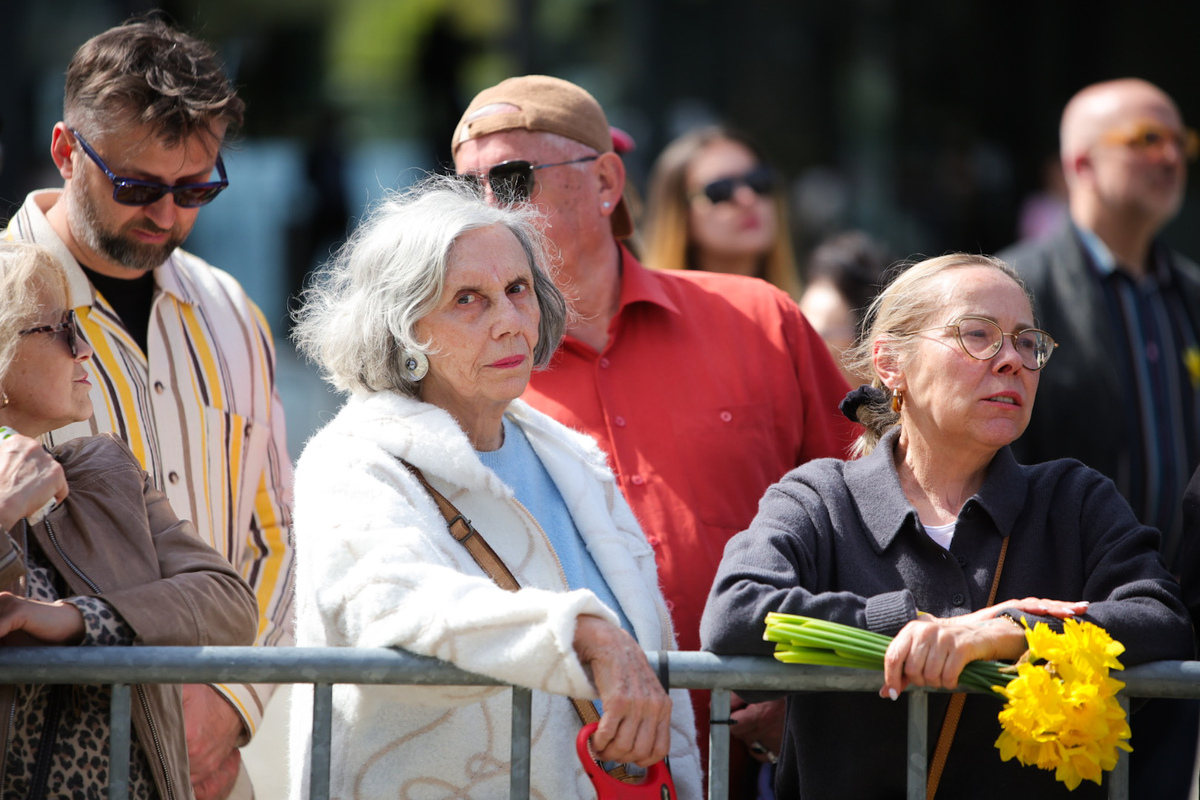
The main ceremony was held in front of the Monument to the Ghetto Heroes and began at noon with the sound of sirens, symbolizing remembrance of those who took part in the uprising. Representatives of Jewish organizations, veterans, and the Righteous Among the Nations and the residents of Warsaw gathered at the monument.The President of the Republic of Poland, Karol Nawrocki, as well as representatives of the Chancellery of the Prime Minister, the Senate, and the Sejm also attended the ceremony.The Institute of National Remembrance was represented by its Deputy President Mateusz Szpytma.
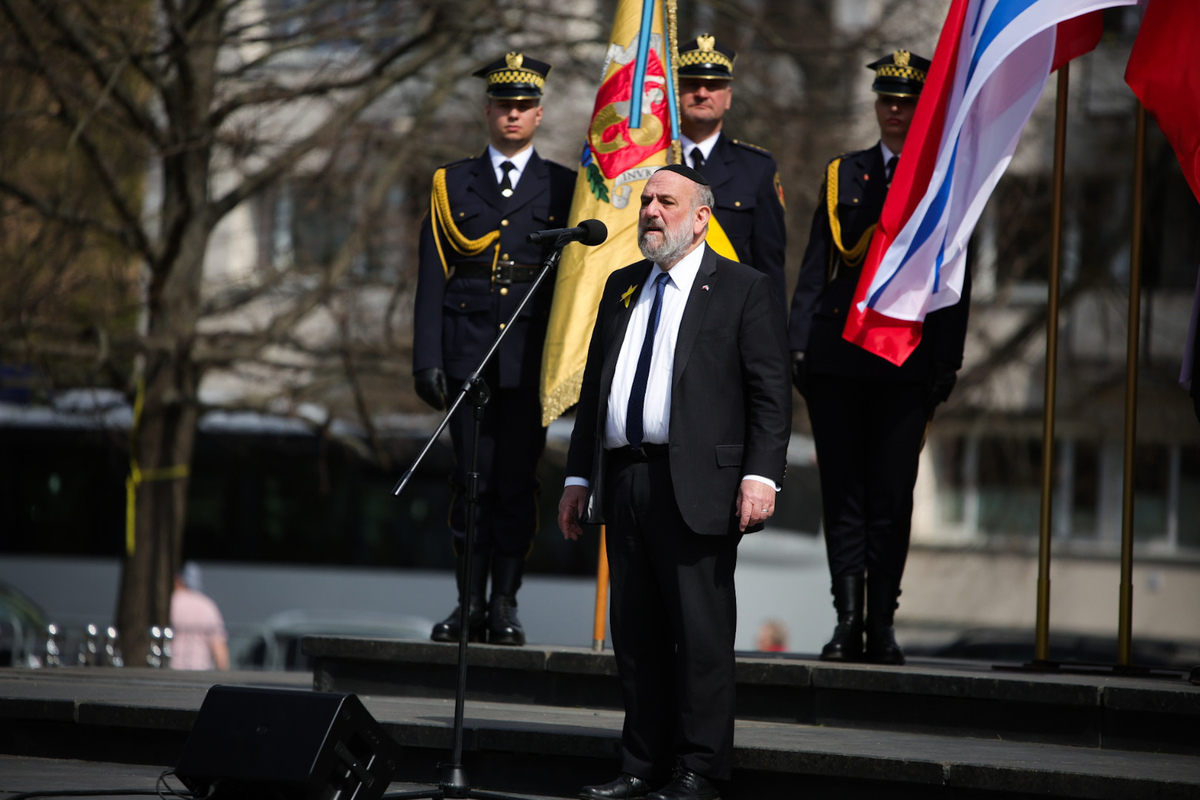
The Chief Rabbi of Poland, Michael Schudrich, recited a prayer, and the ceremony reached its culmination with the laying of wreaths and paying of tribute to the fallen heroes of the uprising.The commemorations concluded with the March of Remembrance of the insurgents.
The event was organized by the Social and Cultural Association of Jews in Poland.
***
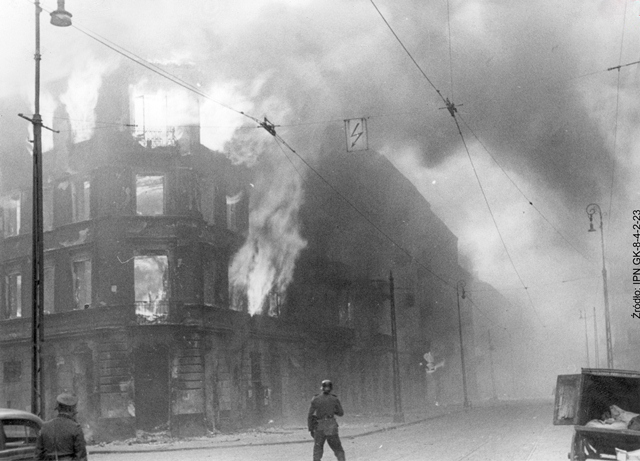
The uprising in the Warsaw Ghetto (19 April - 16 May 1943) was an expression of the determination of the Jewish population, which despite the lack of any hope for the success of the rebellion, stood up against its oppressors, fighting for their pride and a sense of dignity.
The Warsaw Ghetto, like all ghettos in the occupied Polish territories, was created and then destroyed as a result of the anti-Jewish, genocidal policy of the German authorities. The document about the creation of the ghetto (in German terminology: jüdische Wohnbezirk)) was signed in October 1940 by the governor of the Warsaw District, a member of the NSDAP and the Reichstag, Ludwig Fischer. The final report on the liquidation of the ghetto entitled Es gibt keine Jüdische Wohnbezirk in Warschau mehr (The Jewish Quarter of Warsaw is No More!) was prepared by SS-Gruppenführer Jürgen Stroop in May 1943.Both these criminals were captured after the war and tried by the Polish judicial system.
The material presented below contains unique images of the Warsaw ghetto filmed from the outside - Chłodna Street, groups of Jews marching down the street, traffic observed from behind the barbed wire, a boy and men entering the ghetto being searched, people entering the ghetto, a group of children with guardians entering the ghetto. The video below is a fragment of an 8 mm film with images of the streets of occupied Warsaw and the Warsaw Ghetto presumably made by an anonymous soldier of the Wermacht in 1940-1941. In 1966, this film was handed over to the Main Commission for the Investigation of Nazi Crimes probably by the editor of Polish Television Jerzy Ambroziewicz who died on 11 April 1995, and blocked its dissemination. Since then, this material has not been widely published in its entirety, which is why the Archive of the Institute of National Remembrance has made efforts related to its digital reconstruction.
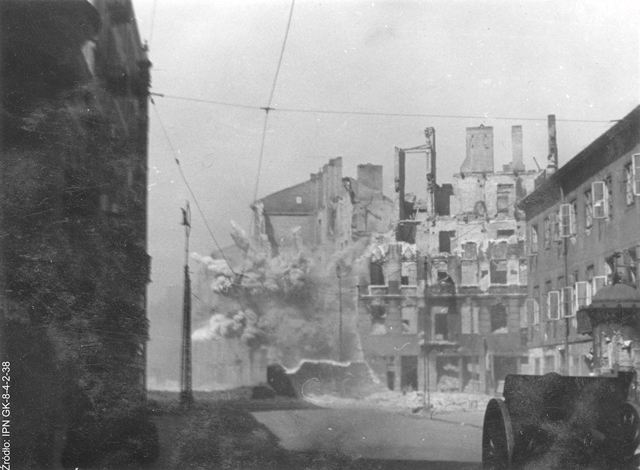
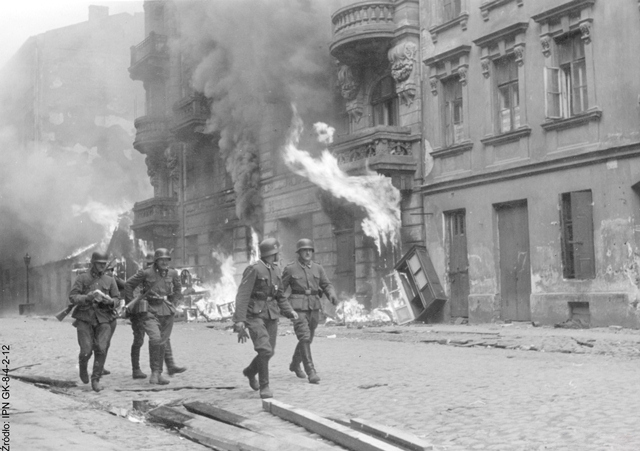
In April and May 1943 several hundred poorly armed fighters of the Warsaw Ghetto fought against heavy artillery and aircraft of the overwhelming German forces, which included: 440 soldiers of the 3rd SS training and replacement armoured grenadier battalion, 381 soldiers of the SS training and replacement cavalry unit, 234 officers of the German Ordnungspolizei, 32 German officers of the Security Police (Sicherheitspolizei), 98 Wehrmacht soldiers and 335 SS-Trawnikimänner members. The Polonische Polizei, created by the Germans, did not enter the ghetto. The Polish fire brigade was only called by the Germans to put out specific fires.
Polish society, as well as the vast majority of Polish conspiracy groups, sympathized with Jewish insurgents and condemned the German murders. The Polish underground, which had no chance of winning the fight against the Germans, organized at least some attacks on German troops stationed under the walls of the ghetto. At least two soldiers of the Polish Home Army, Eugeniusz Morawka "Młodek" and Józef Wilk "Orlik", were killed in them. From December 1942, the "Żegota" Council for Aid to Jews operated in German occupied country. The Polish underground and the Polish government-in-exile in London informed the world about German crimes in occupied Poland. The Polish Prime Minister, Władysław Sikorski, condemned the German crimes in the Warsaw ghetto and announced the prosecution of the perpetrators. Secret emissaries of the Polish governmentwho personally visited Warsaw ghettos, such as Jan Karski, spread the message of the Jewish underground throughout the world, and called the Allies for actions aimed at stopping German crimes.



Read more: