
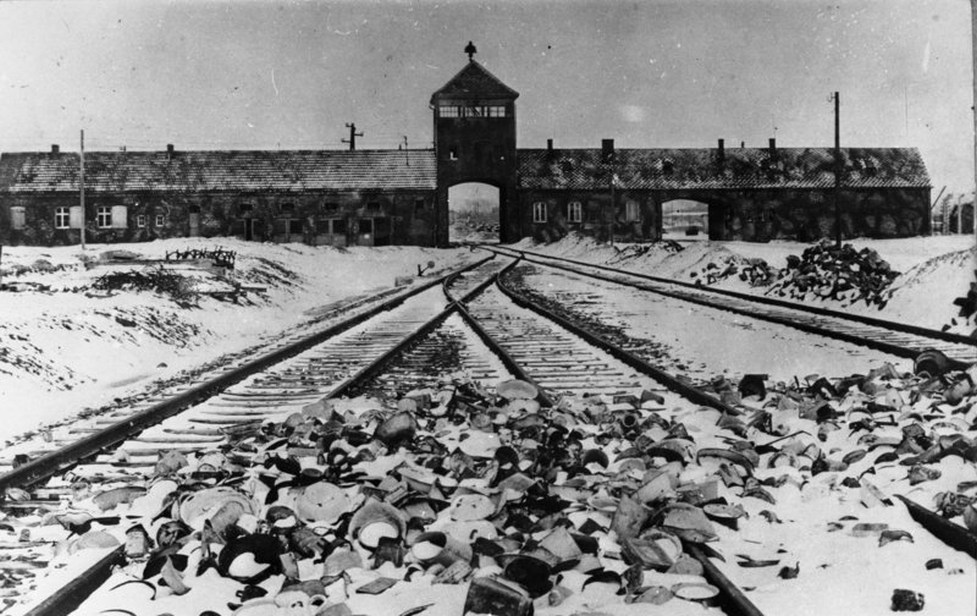
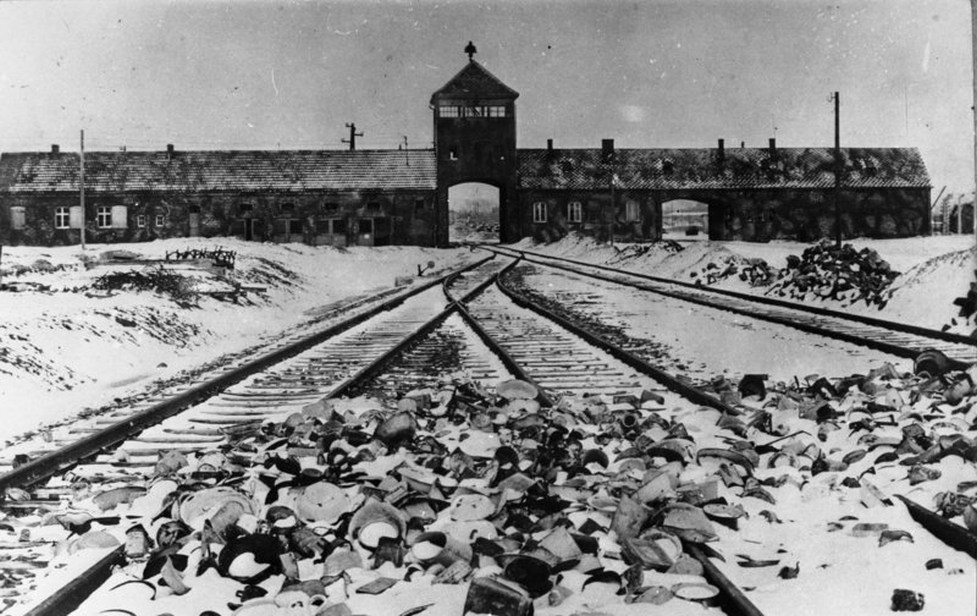
The conference "Memory, identity, responsibility. Against falsifying the history of German concentration camps by international media" will be held on 9 September (Thursday) in Warsaw. The aim is to analyze the reasons for which false statements such as "Polish concentration camps" appear in international media and how they affect the Polish culture of remembrance. The organisers of the conference are the Association Patria Nostra and the Institute of National Remembrance.
Many foreign newspapers, when informing about the German Nazi concentration camps of World War II, used the false and unfair shorthand "Polish camps." This concept could suggest that the German camps located in occupied Poland were created and administered by Poles.
Oddly enough, this kind of mistakes also occur in German media. A year ago, the expression "Polish concentration camps" was used by the DPA agency, referring to the Sobibor concentration camp. Before it was used by "Die Welt" in a report about young Israelis travelling to the Majdanek camp. In summer last year the phrase occurred in the regional newspaper "Rheinische Post."
This met with the response of the the German History Society, which appealed to the public opinion in Germany to oppose the repeated erroneous formulations. "These unacceptable words suggest a completely false idea of the responsibility for the crimes" – wrote the German historians.
What term should be used? In accordance with the decision of UNESCO World Heritage Committee of June 27, 2007 concerning the Auschwitz-Birkenau camp, the official name of the entry to the list of World Heritage is "Auschwitz-Birkenau. The German Nazi Concentration and Extermination Camp (1940-1945)". The proposal of the name was jointly submitted by Poland and Israel.
Already in 2005, the American Jewish Congress described the use of the term "Polish concentration camps" as misleading and harmful, noting that during the World War II there were only "concentration camps established by the Nazis." In a similar vein, spoke the Jewish Anti-Defamation League, which also supported the Polish efforts to change the name of the camp site in UNESCO.
The recently deceased Professor Israel Gutman of the Yad Vashem in Jerusalem, a participant of the Warsaw Ghetto Uprising and the Prisoner of German concentration camps at Majdanek, Auschwitz-Birkenau, Mauthausen-Gusen, believed that the term "Polish concentration camps" is one of the forms of Holocaust denial. In his opinion it was a conscious or unconscious form of conversion of the victim into the executioner in an attempt to blur responsibility for the crimes committed. He frequently said that "Poles did not deserve it."
The persistent attempts to assign responsibility for the German Nazi camps to Poland are shameful and require firm reaction. In practice, intervention is made by Polish embassy in the particular country, which includes the legal route if media do not apologise in a form of correction. The role of the Institute of National Remembrance involves substantive support for the activities of the Polish diplomacy. IPN has prepared information materials for the embassies, including the www.truthaboutcamps.eu website. It explains the problem of responsibility for the German camps based on historical facts.
The conference will take place on 11 September at 9:00 at the IPN Education Center, Marszałkowska 21/25. Admission is free.
The programme of the conference (available in Polish):