
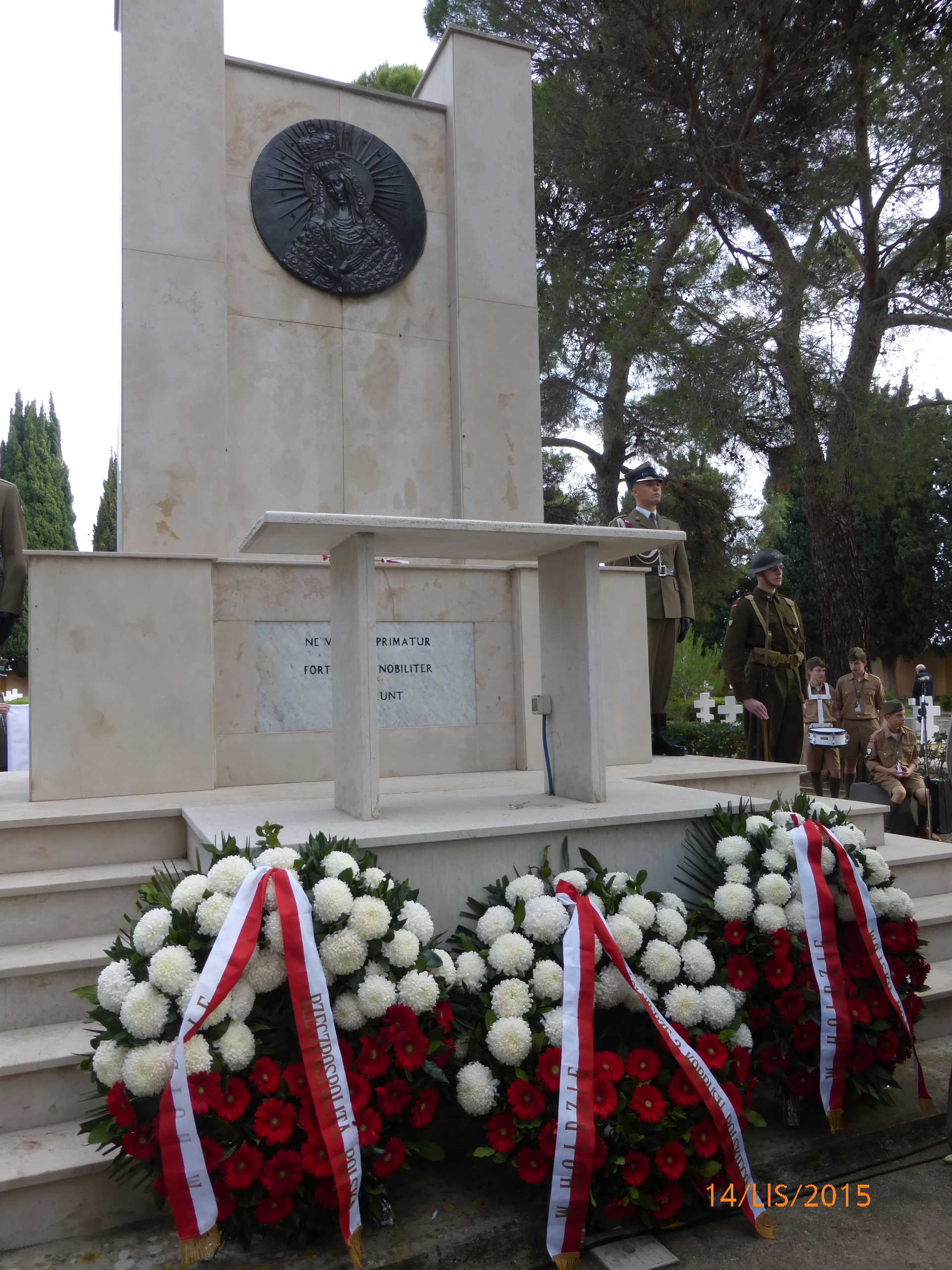
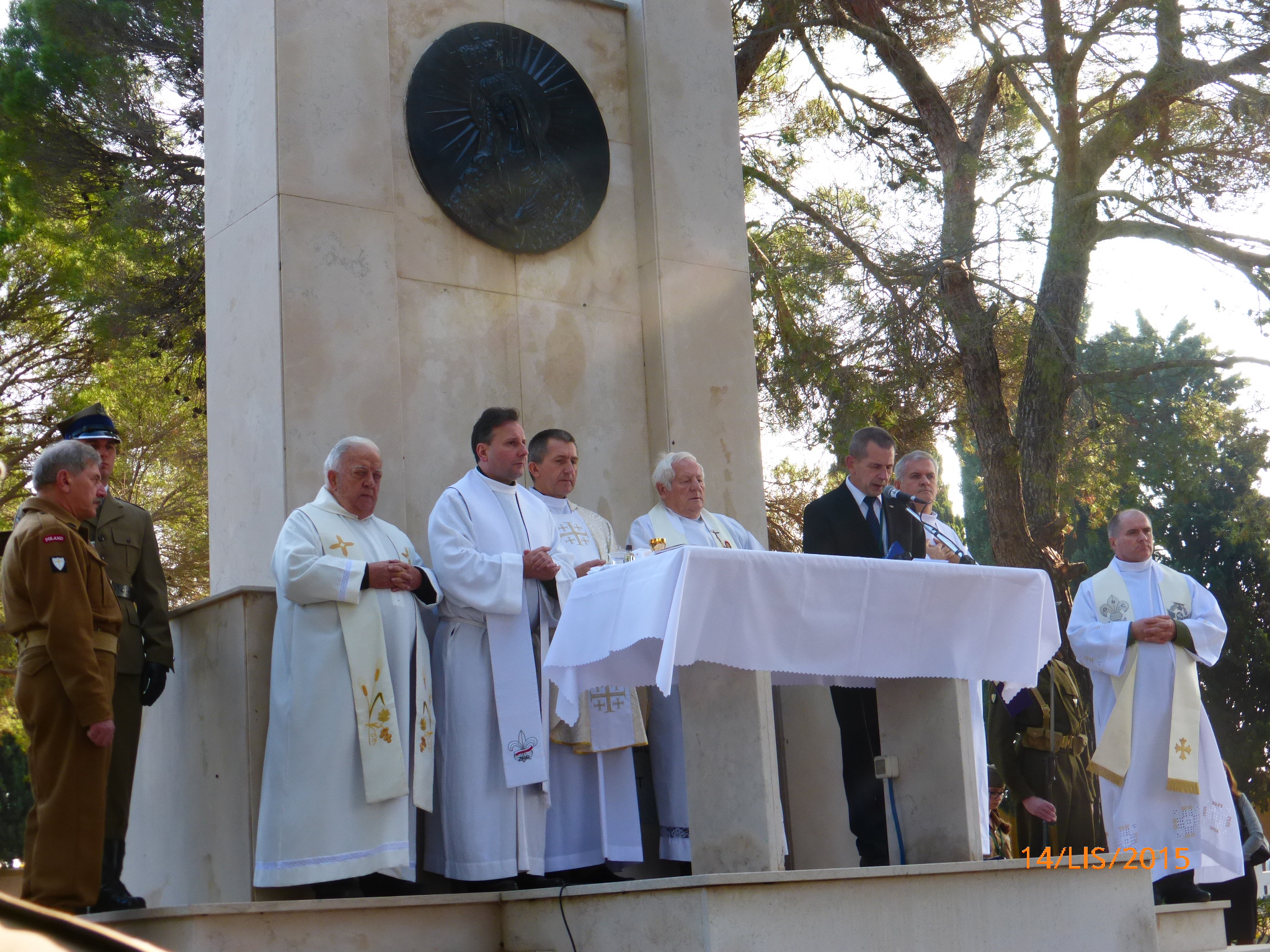
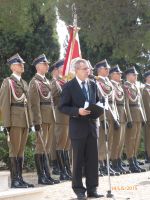
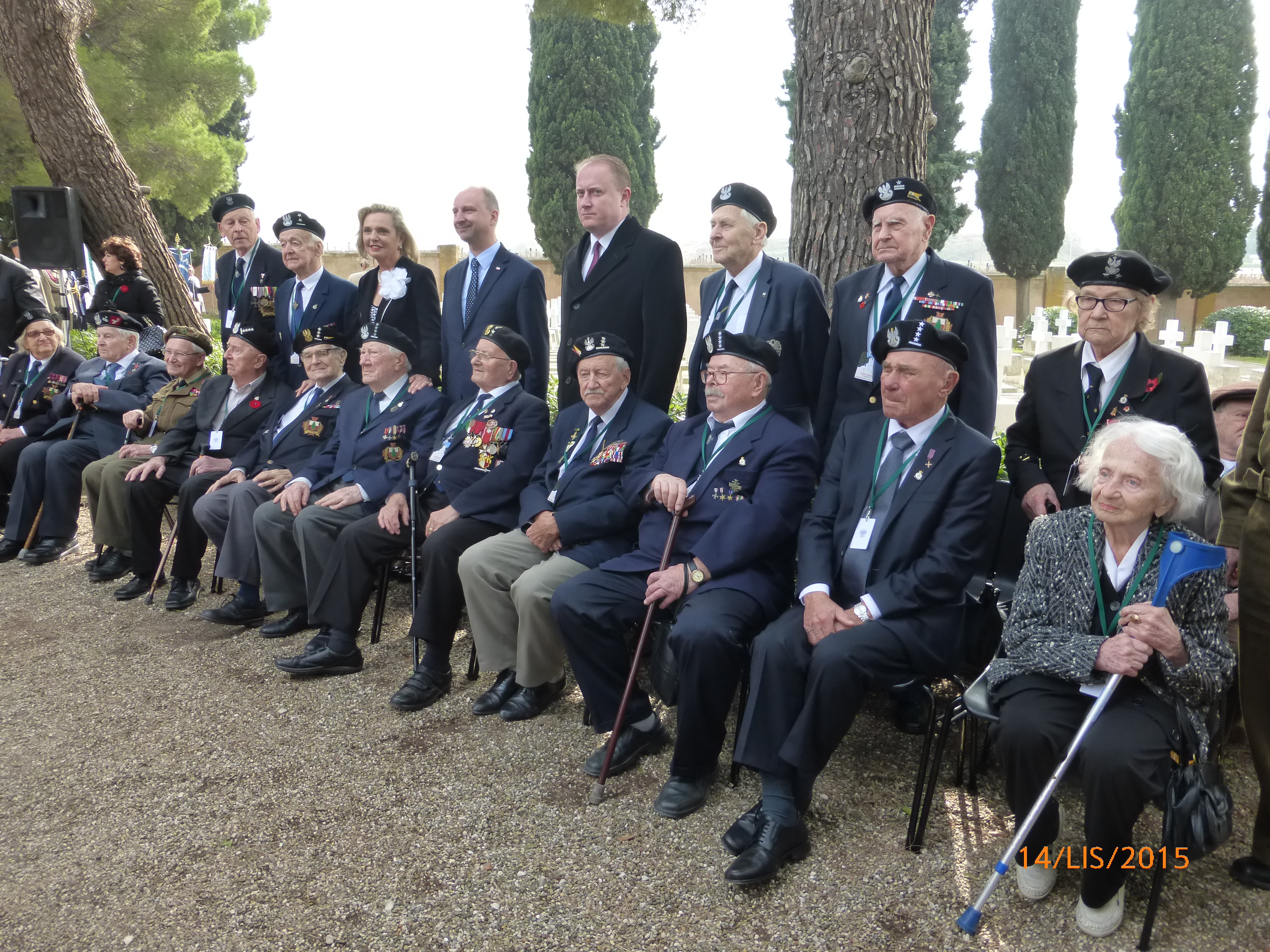
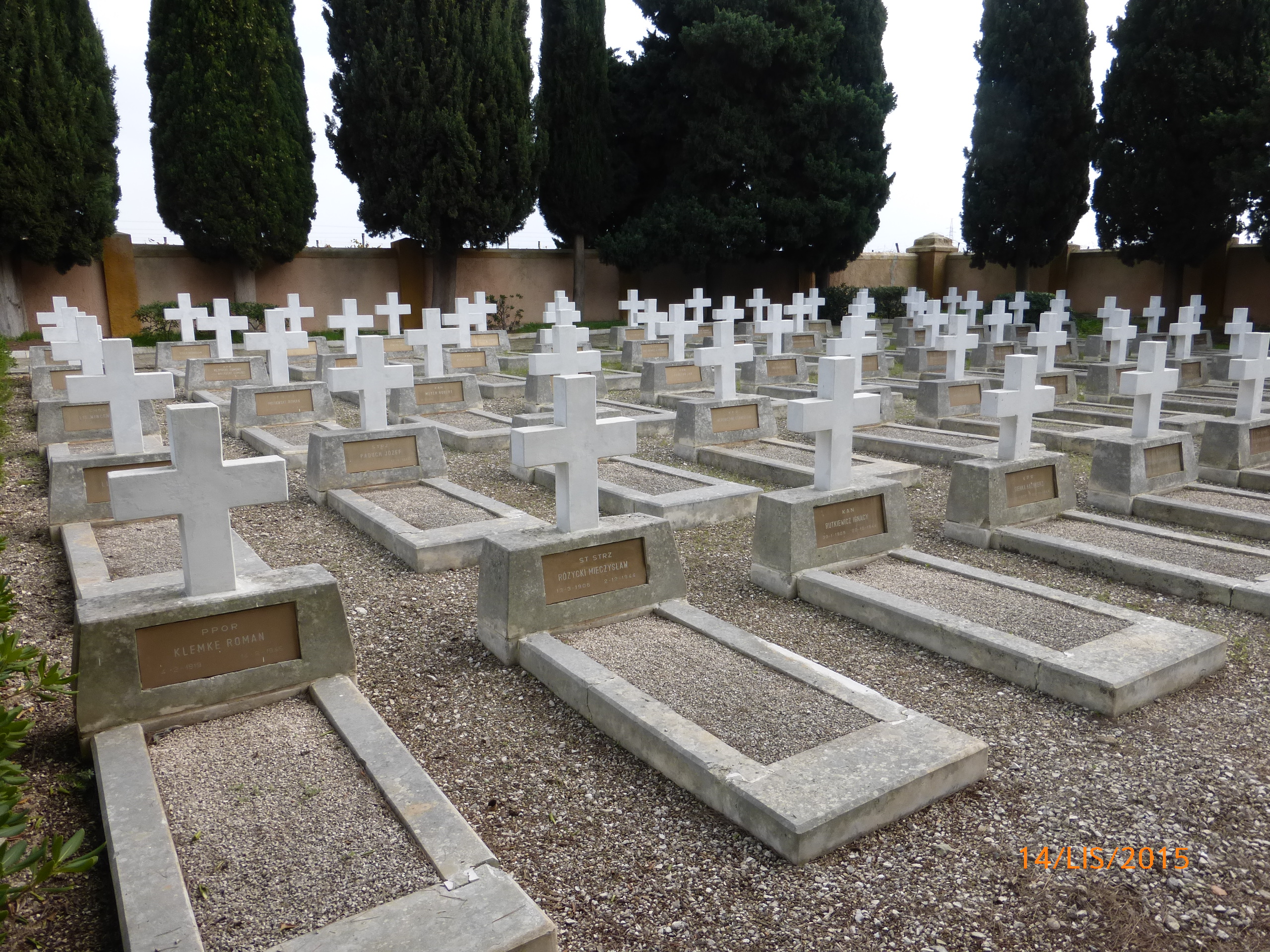
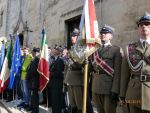

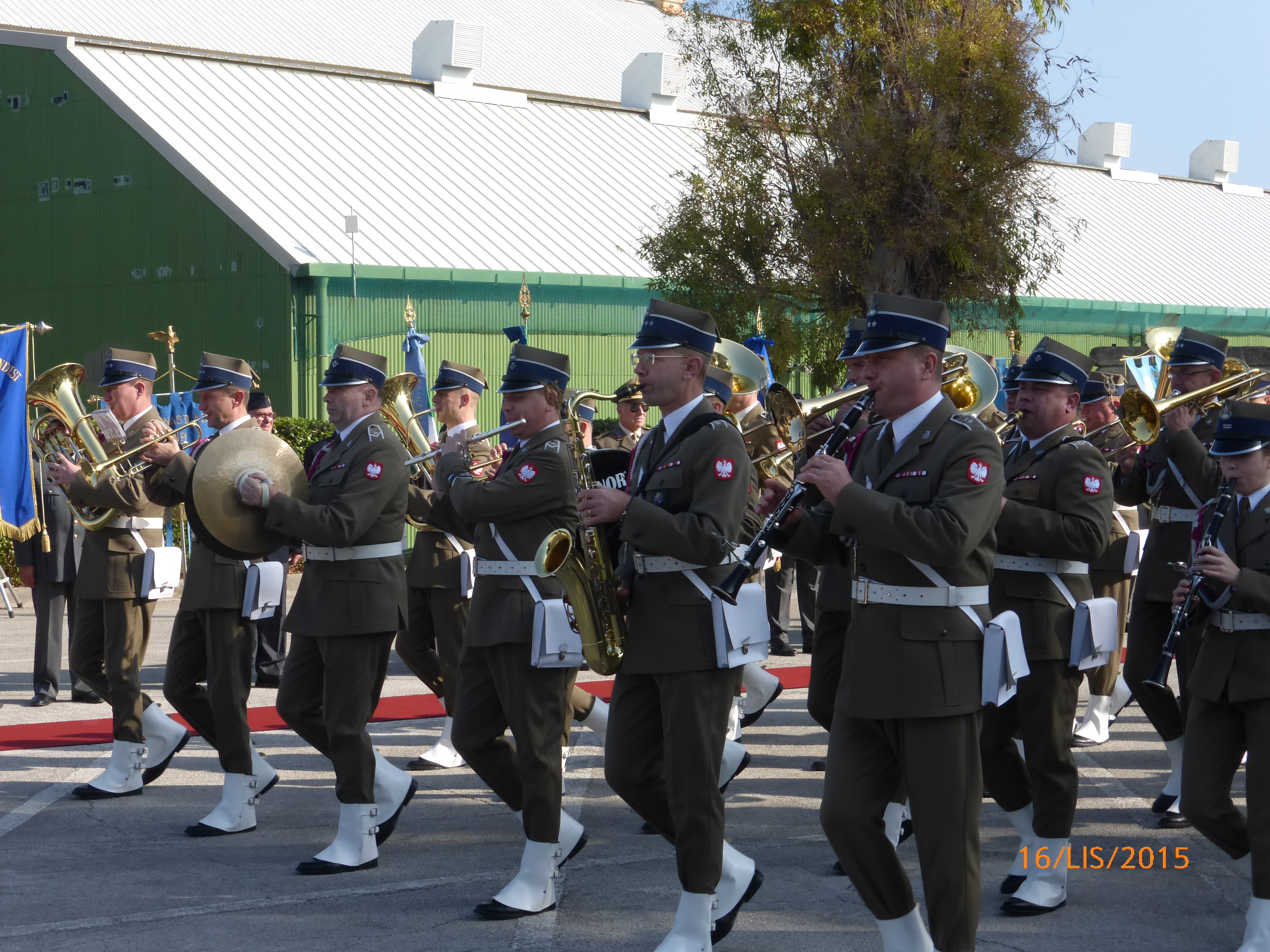
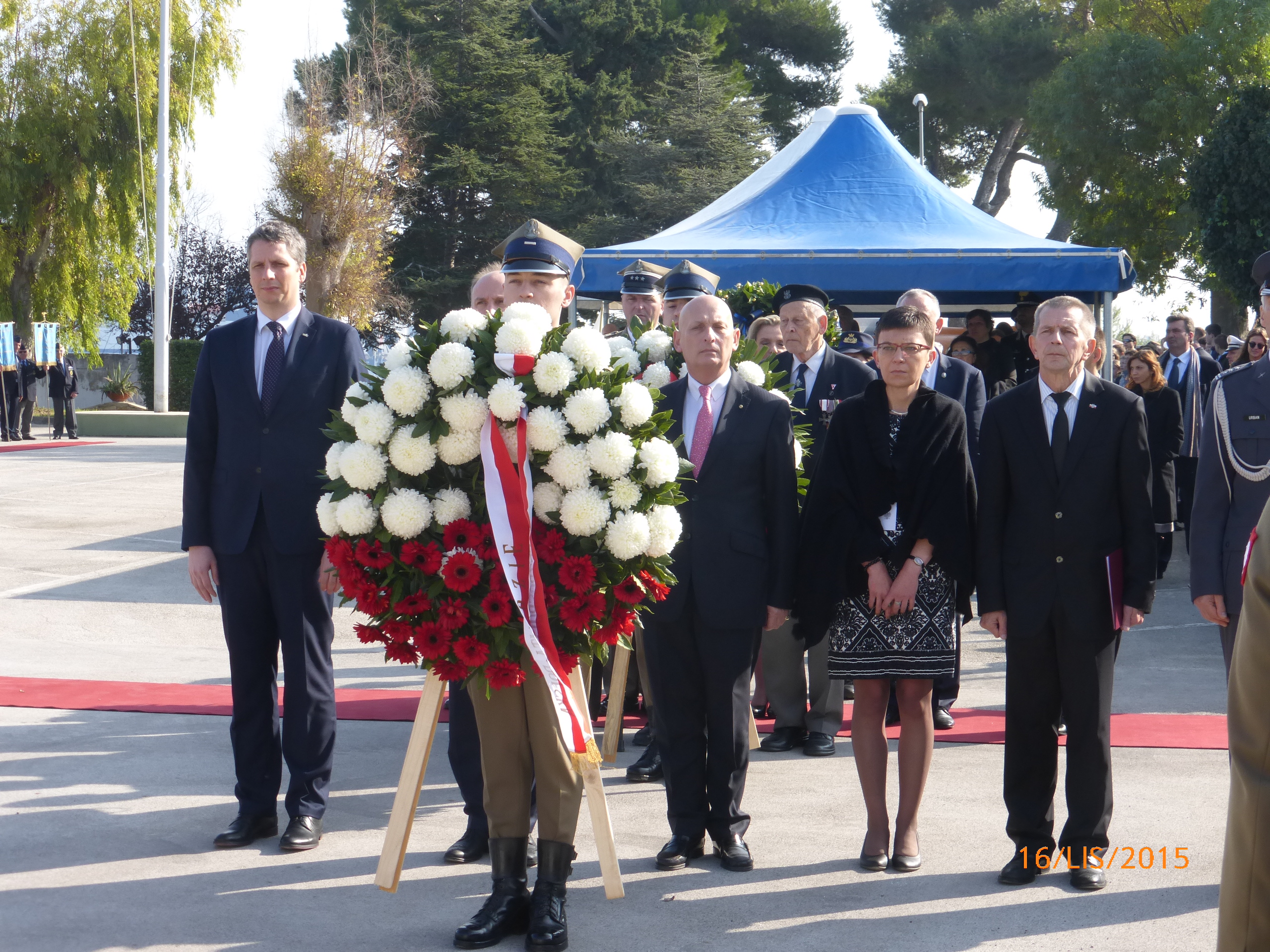
On 13-16 November 2015 at the Polish War Cemetery in Casamassima and nearby places of stationing of the units of the Polish II Corps in the Republic of Italy a ceremony was held. It was organized by the Council for the Protection of Struggle and Martyrdom Sites in cooperation with the Office for Veterans and Victims of Oppression and the Embassy of the Republic of Poland in Rome.
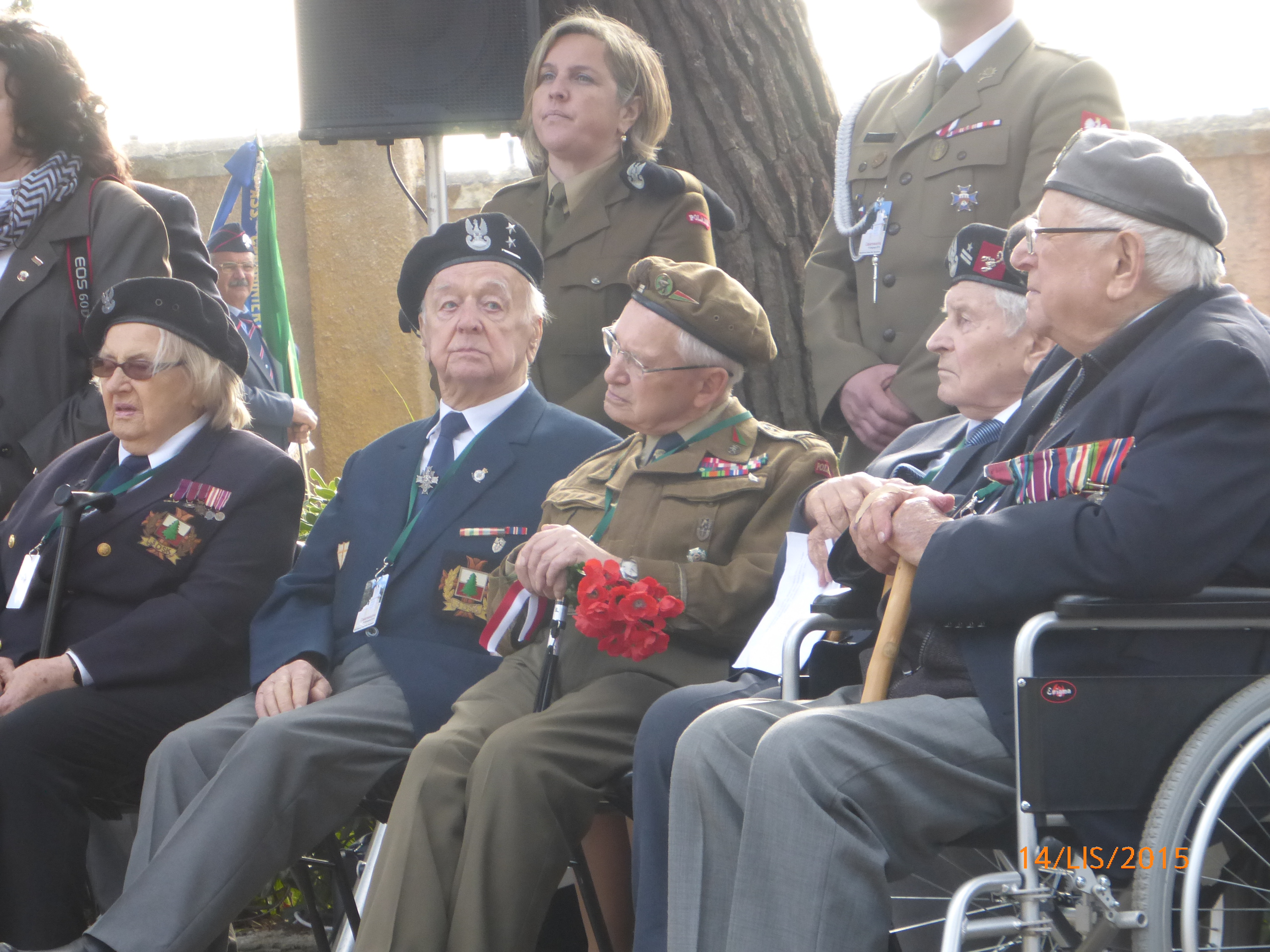
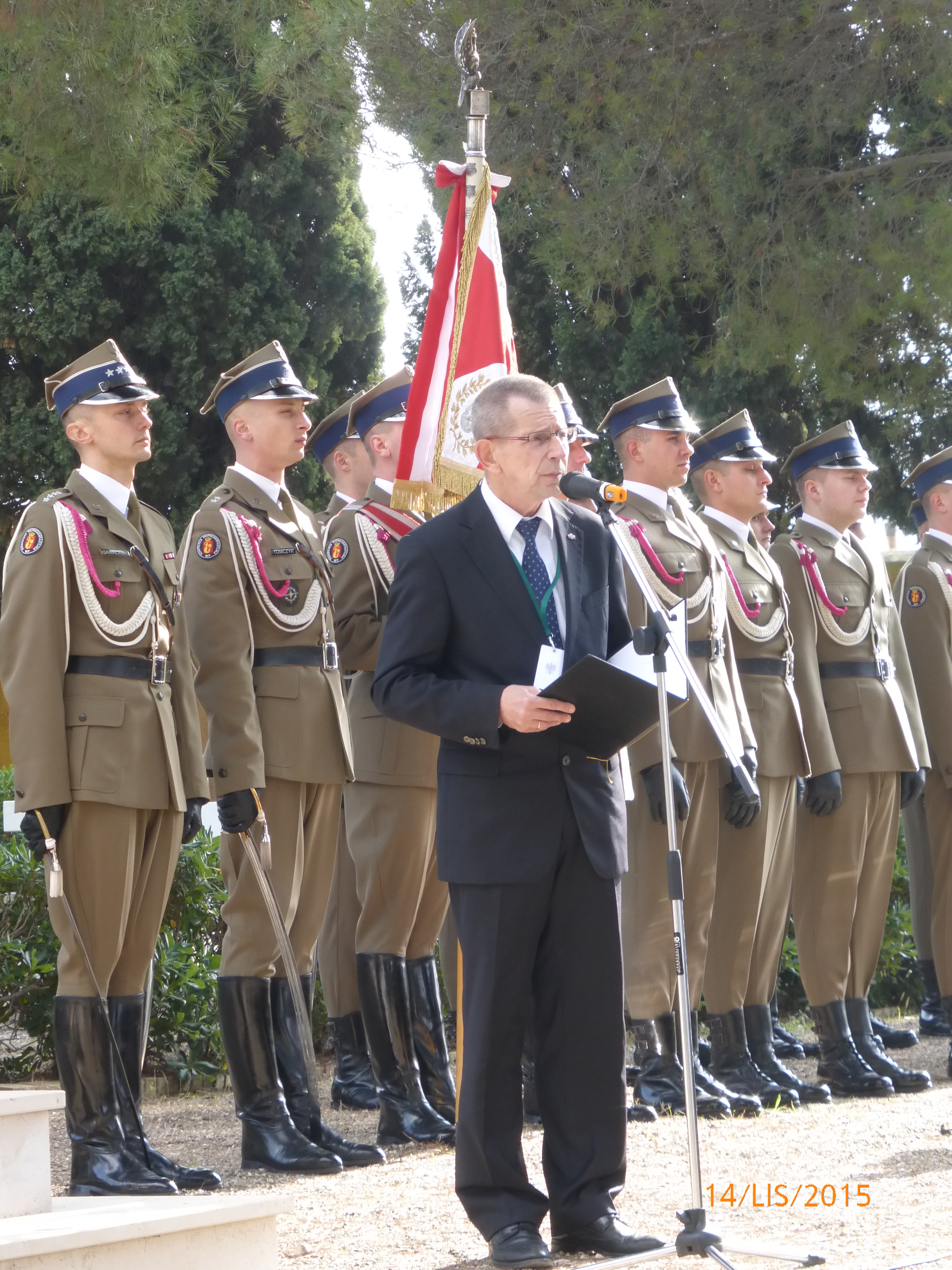
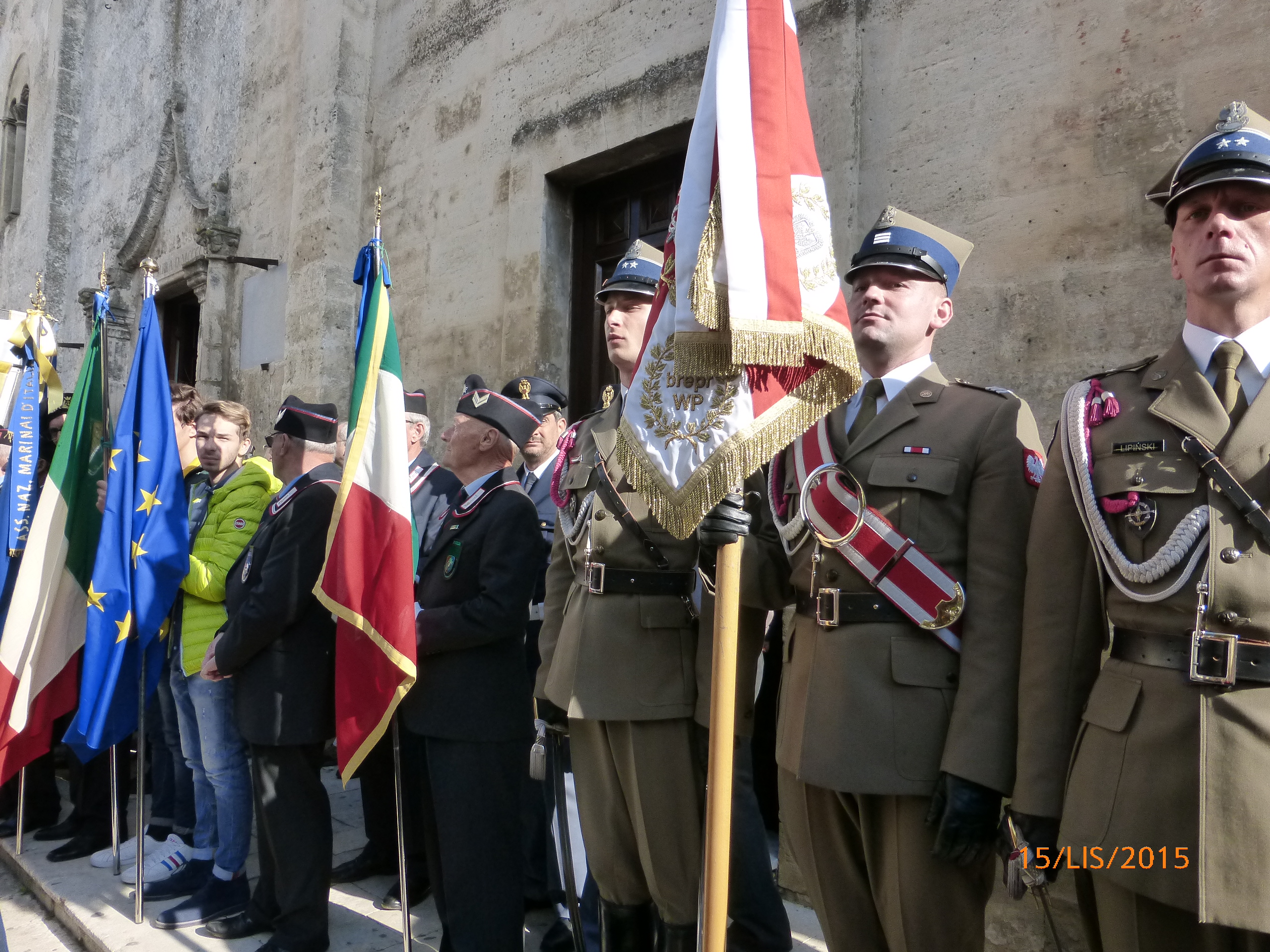
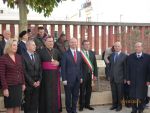
The ceremony was attended by the official Polish delegation, which included, among others, representatives of the Presidential Chancellery, Embassy of the Italian Republic and the Republic of San Marino, Council for the Protection of Struggle and Martyrdom Sites, Office for War Veterans and Victims of Oppression, Ministry of Culture and National Heritage, Museum of Katyń, Polish Scouting Association, Garrison Warsaw as well as a large group veterans - soldiers of the Polish II Corps, Representative Orchestra of the Polish Army, Polish Army company, Polish children's choir and Anna Maria Anders - daughter of gen. Anders.
Representatives of local authorities and the local Polish community also participated in the ceremony.
The Institute of National Remembrance was represented by Anna Piekarska – Deputy Director of the Public Education Office and Jarosław Tęsiorowski – assistant to the President of the IPN.
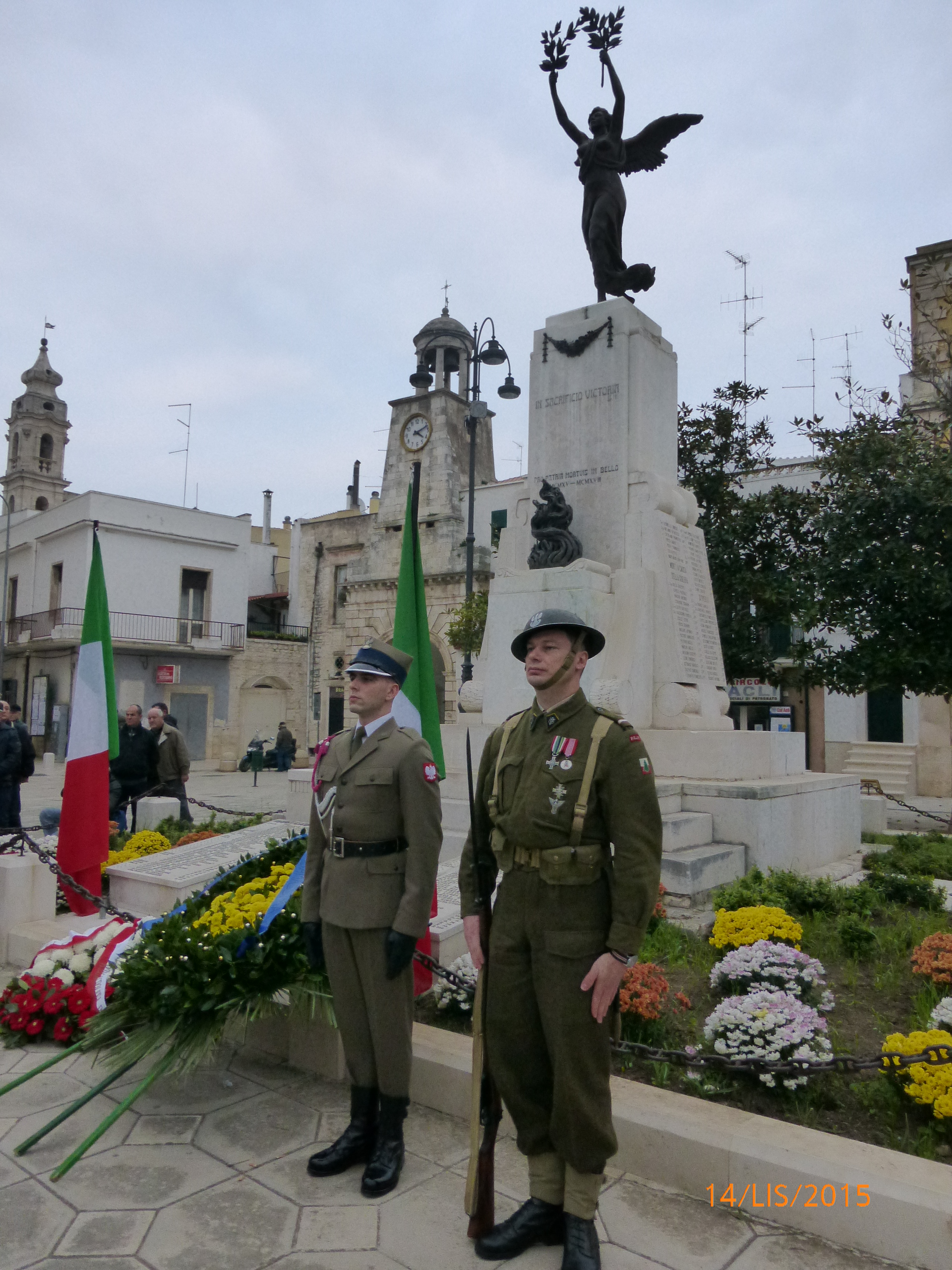
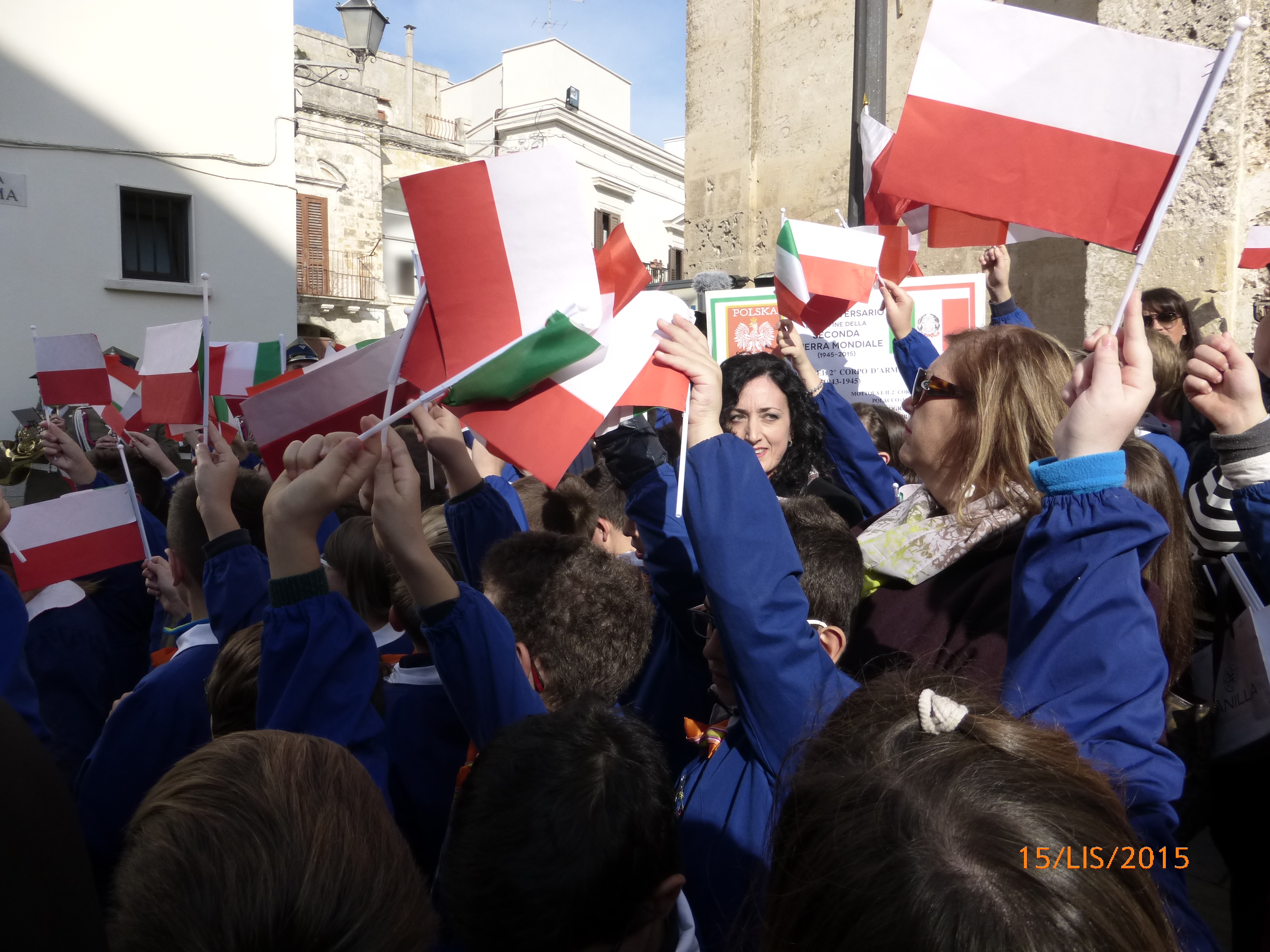
The main celebrations, combined with a Mass and laying wreaths and bunches of flowers, took place on Saturday morning at the Polish War Cemetery in Casamassima. The afternoon celebrations were continued under the Monument of the Fallen during the First and Second World War in Casamassima and accompanied by a concert of the Representative Orchestra of the Polish Army and a Polish children's choir.
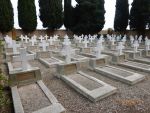
The Polish War Cemetery in Casamassima is the first and also the smallest Polish War Cemetery in Italy. It was founded in Casamassima, near Bari in southern Italy. 429 Polish soldiers killed in fighting on the Gustav Line over the River Sangro and those who died in a military hospital in Casamassima and other hospitals of Bari and Naples as a result of wounds received in various battles of the Italian campaign are buried there.
The Polish delegation also visited other places important to the Poles in the region. When, in December 1943, troops of the Polish II Corps began to land in Italy, it was in this area that a base for them was created - the rear unit were left there, there was a great field hospital, and later educational facilities and a school. In the town of Mottola the delegation took part in a solemn Mass at the Cathedral of Santa Maria Asunta, celebrated in Polish by Father Zbigniew Kępa, chaplain of the Military Ordinariate. A symbolic bunch of flowers was laid at the altar of Our Lady of Ostra Brama. The altar was founded by Polish soldiers, and the flowers were laid there almost exactly on the 70th anniversary of the unveiling of the altar, which took place on 16 November 1945. At the Cathedral entrance there is a plaque in Polish and Italian: „We, Polish soldiers, for our freedom and yours, gave our souls to God, our bodies to the Italian land, and our hearts to Poland „. Alongside the array Polish scouts and young Italians planted a symbolic olive tree. By the Cathedral during the war gen. Anders quartered.
Then the delegation visited the former headquarters of Polish II Corps in San Bazillo and laid flowers at the memorial plaque placed at the school of Instituto Comprensivo Padrse Giovanni Minozzi in Matera, where in the years 1944-1946 there was a Cadet School of the Polish II Corps. In the local Museum D. Ridola the Polish delegation watched an exhibition dedicated to the soldiers of the Polish II Corps.
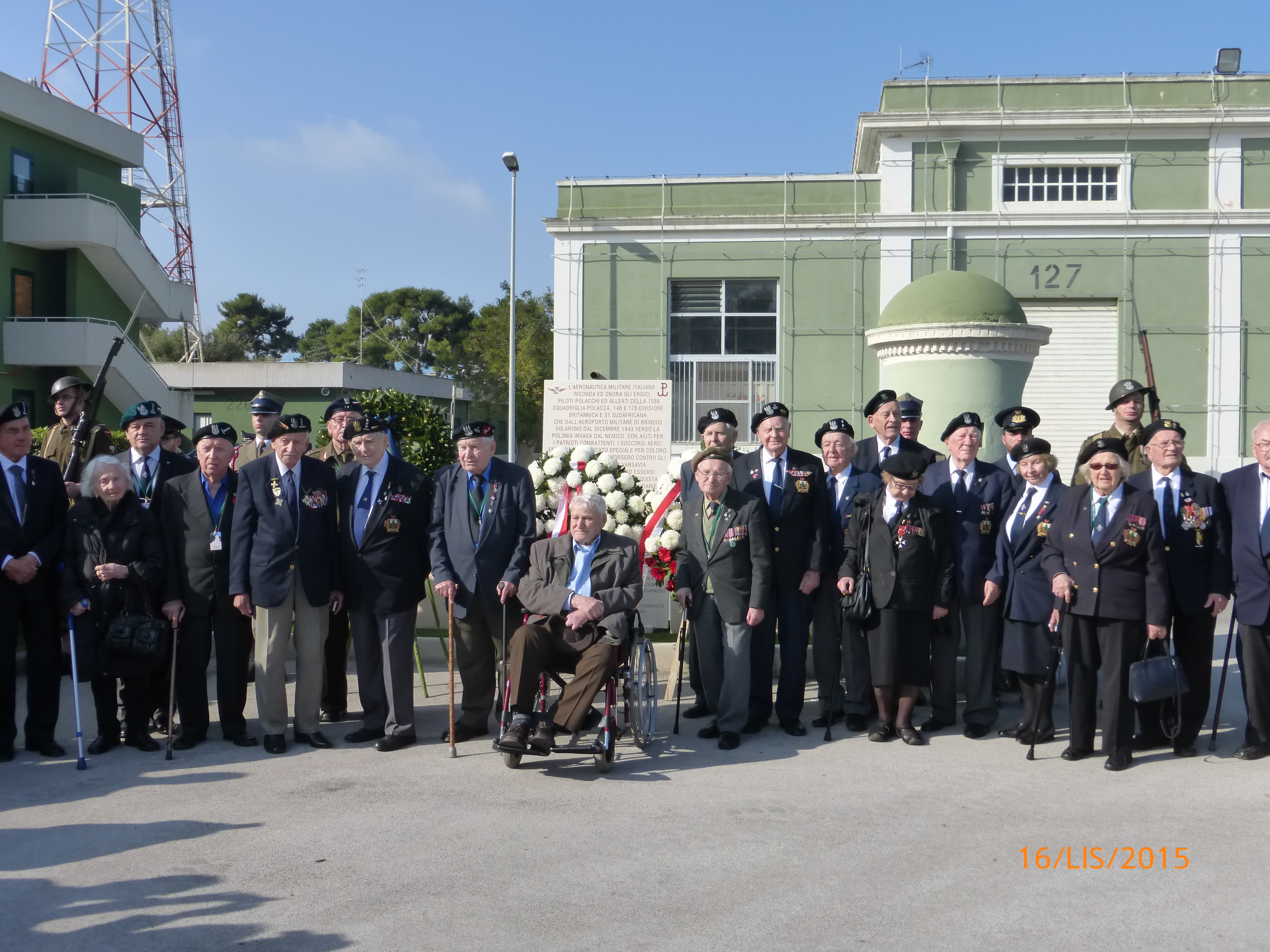
The end of the ceremony was a visit to the air base in Brindisi, from where the Allied planes flew, mainly Polish, with the help to the occupied Poland, especially during the Warsaw Uprising. Last year, at the initiative of the Italian on the premises a plaque in honor of the airmen who died during these flights was founded and unveiled. During the ceremony flowers were laid there.
The whole ceremony was held in a solemn atmosphere. Especially moved were the veterans - soldiers of the Polish II Corps. Some of them returned to the area for the first time since the fighting in World War II.