
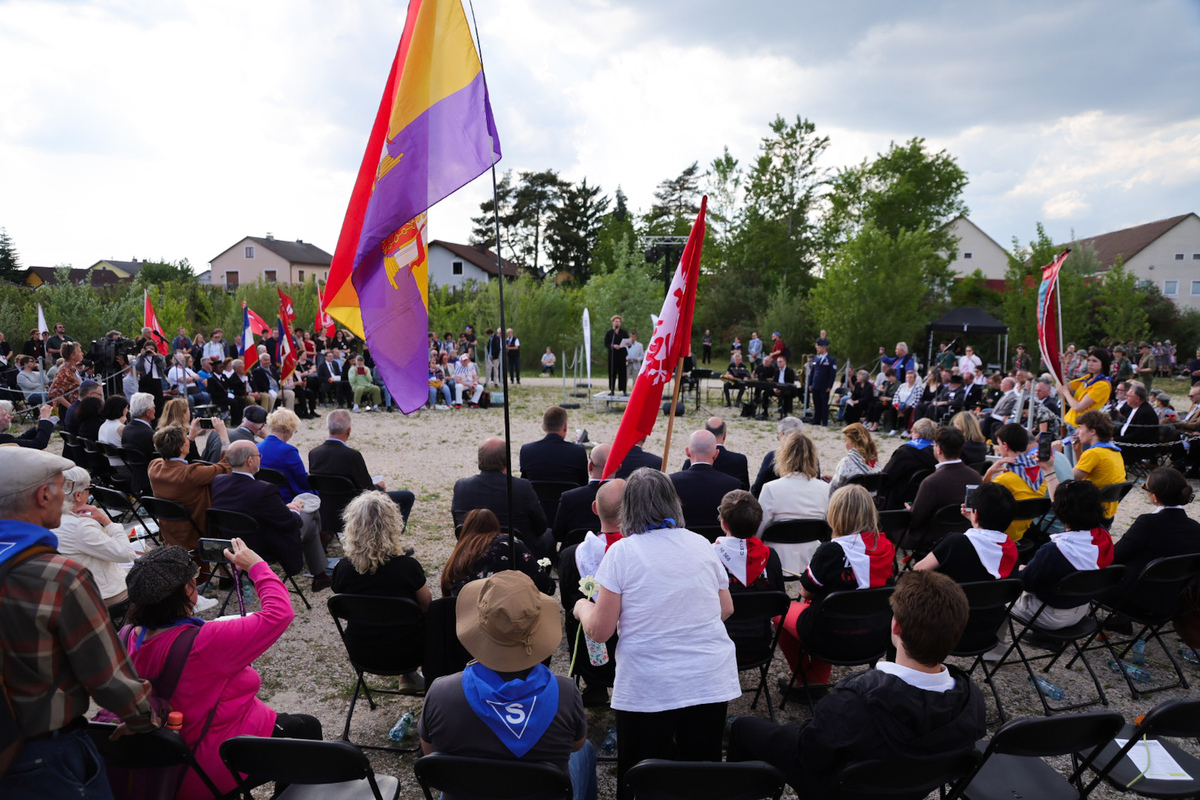
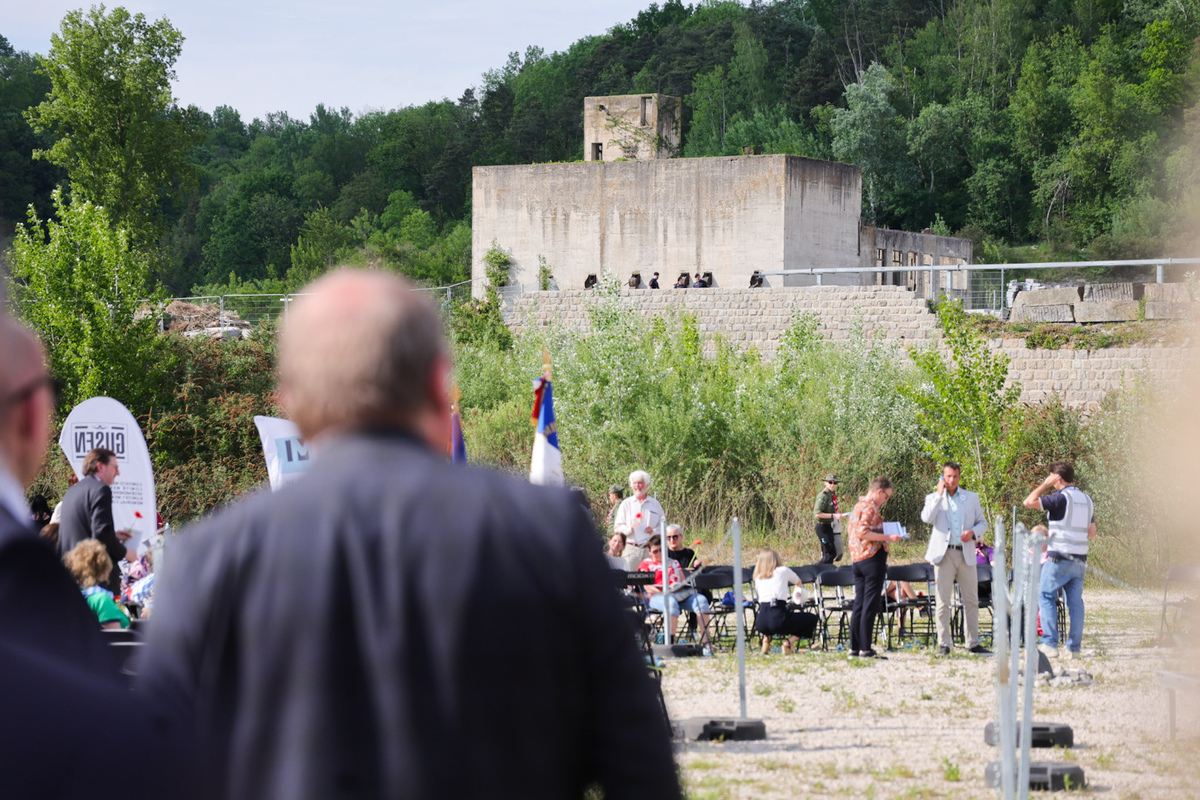
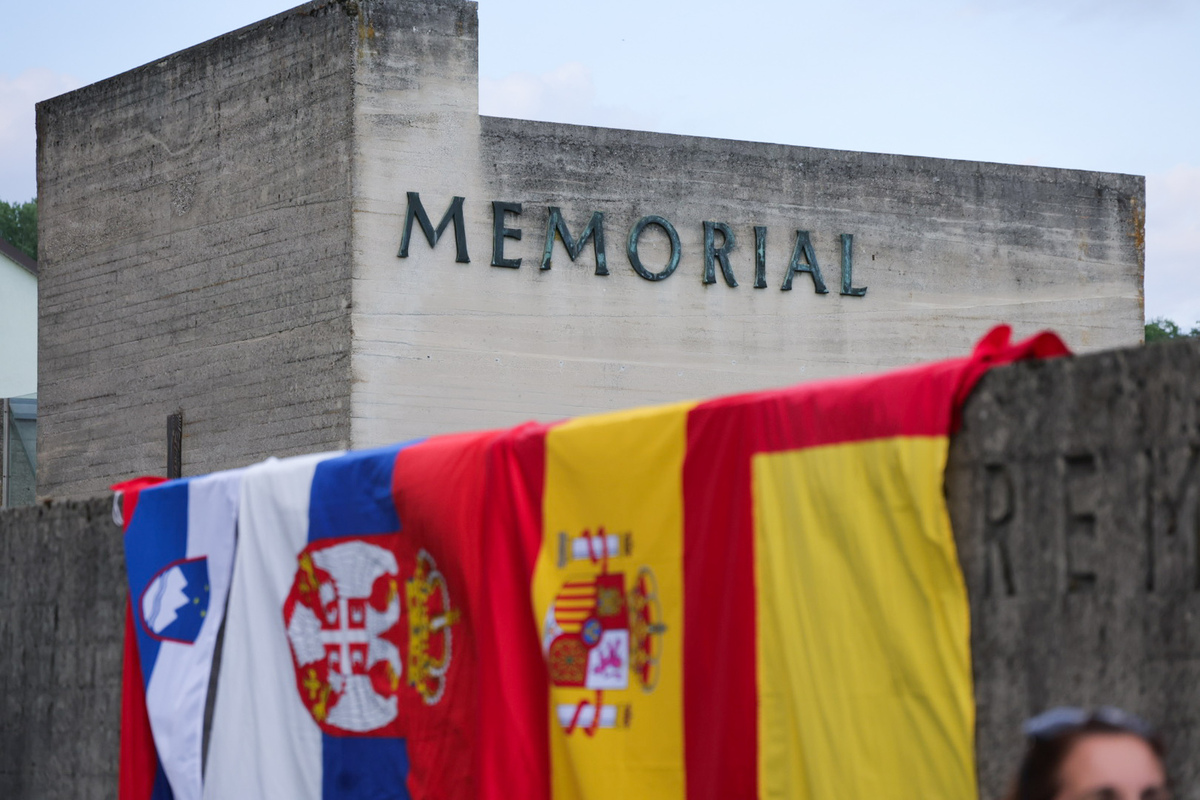
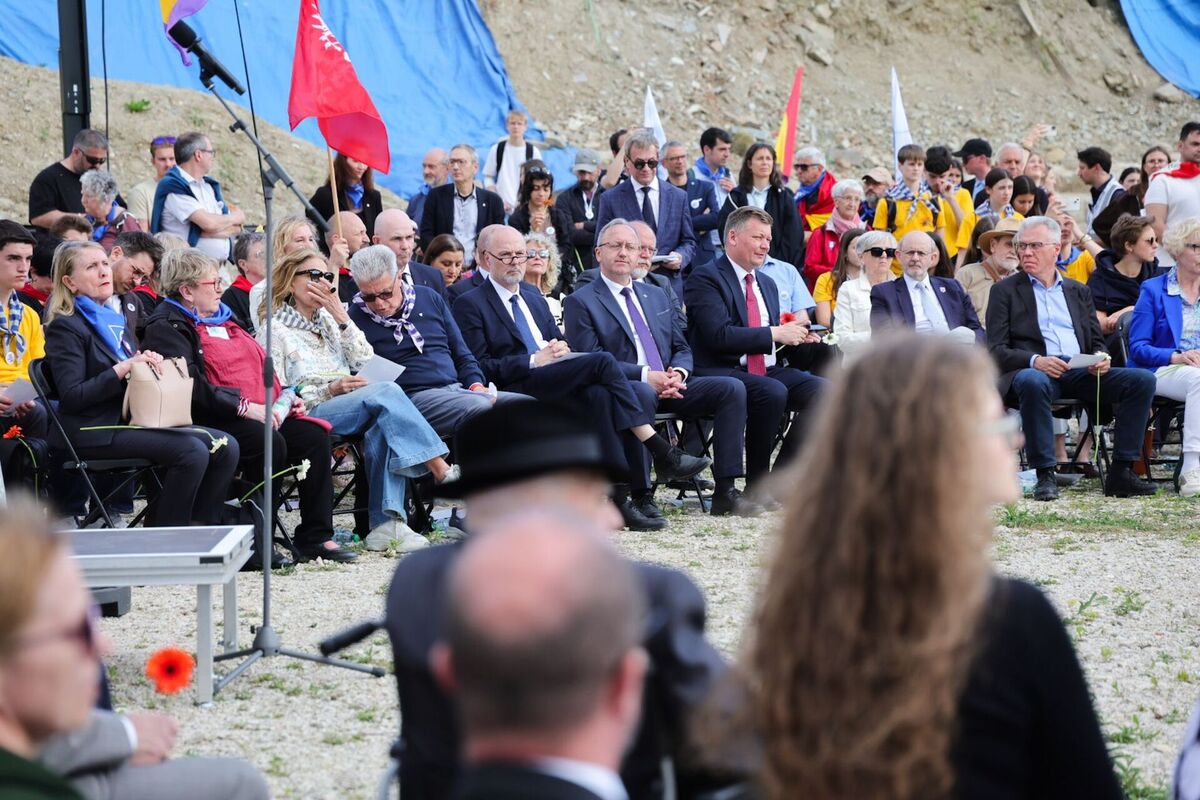
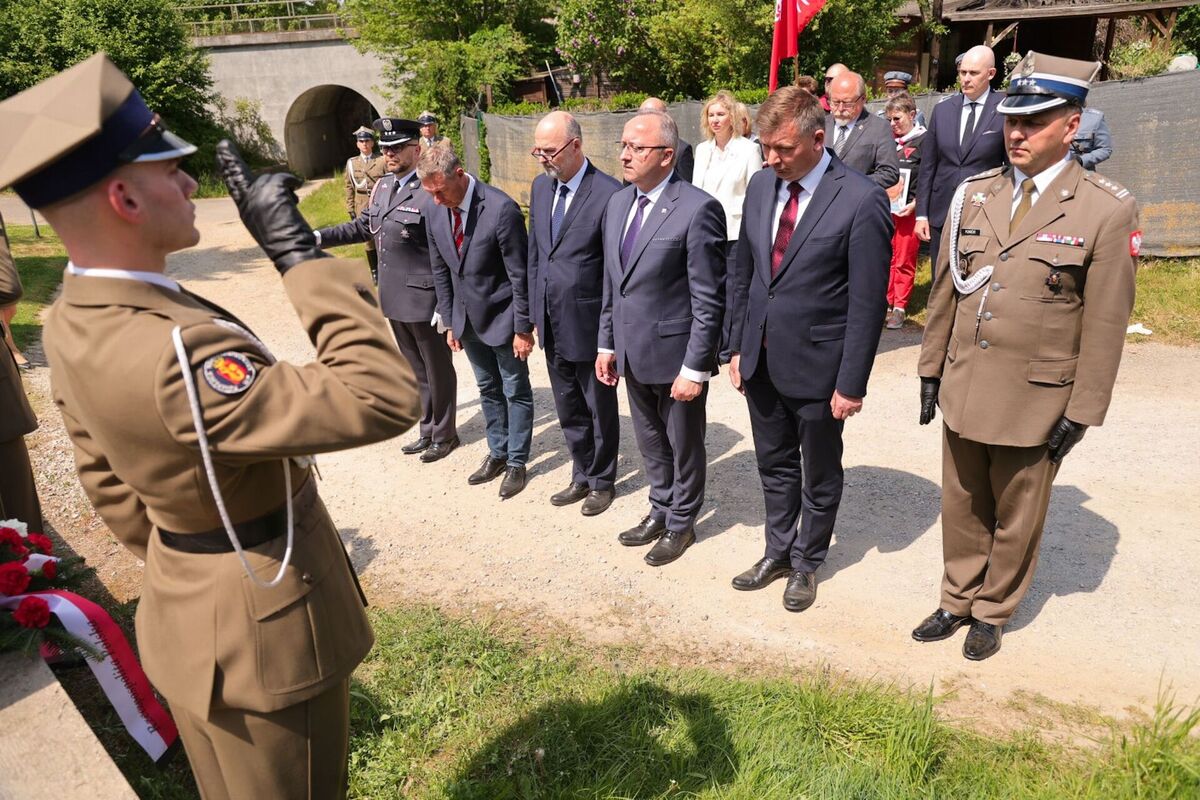
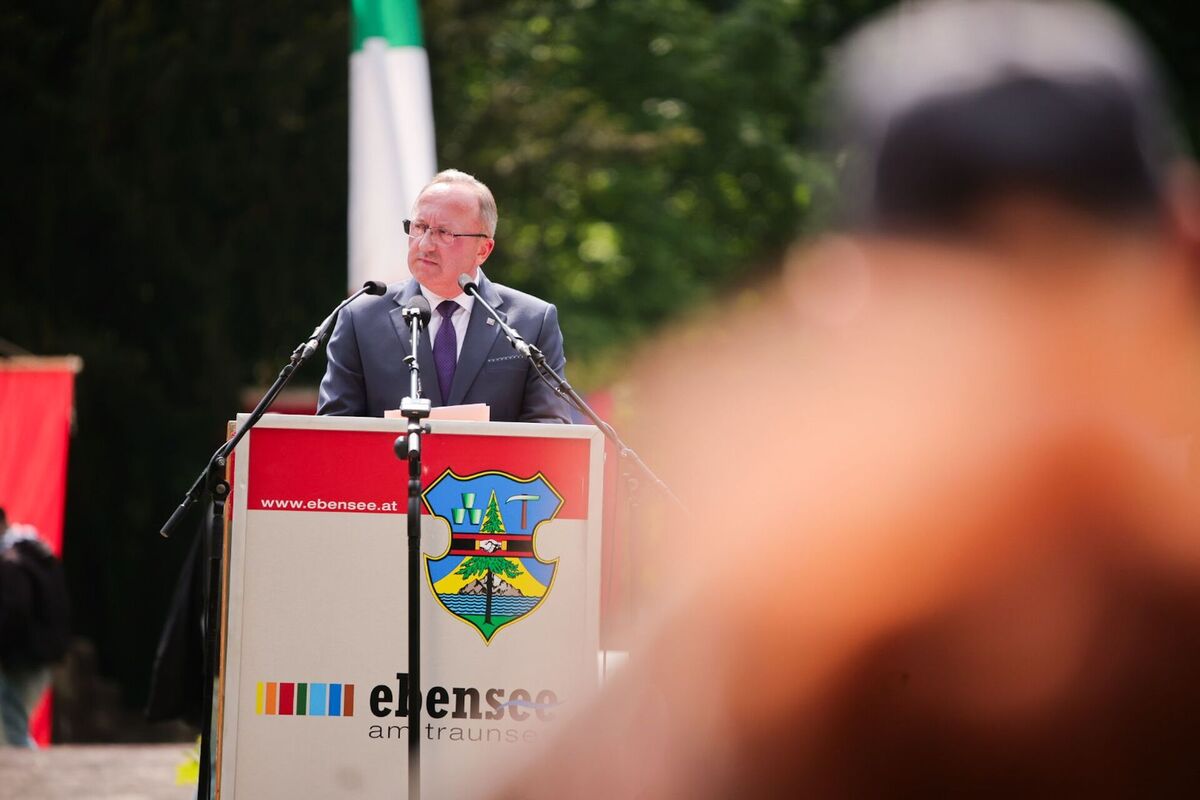
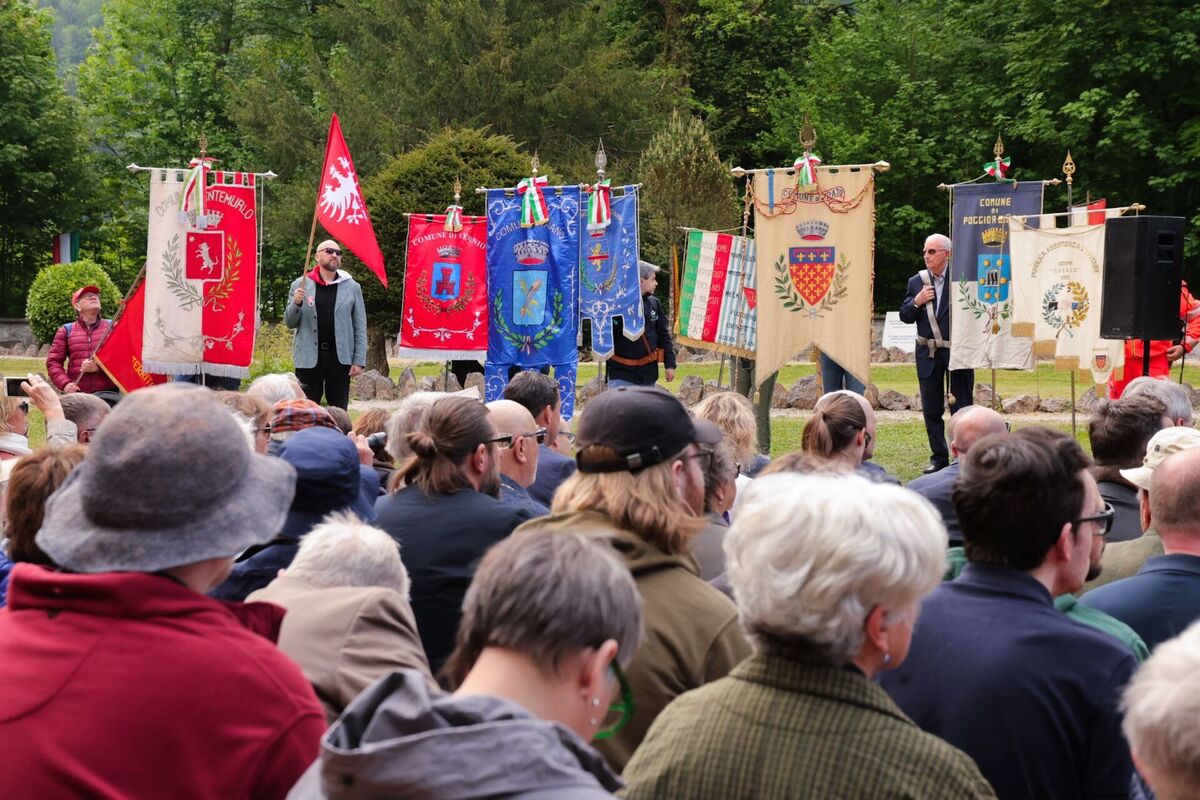
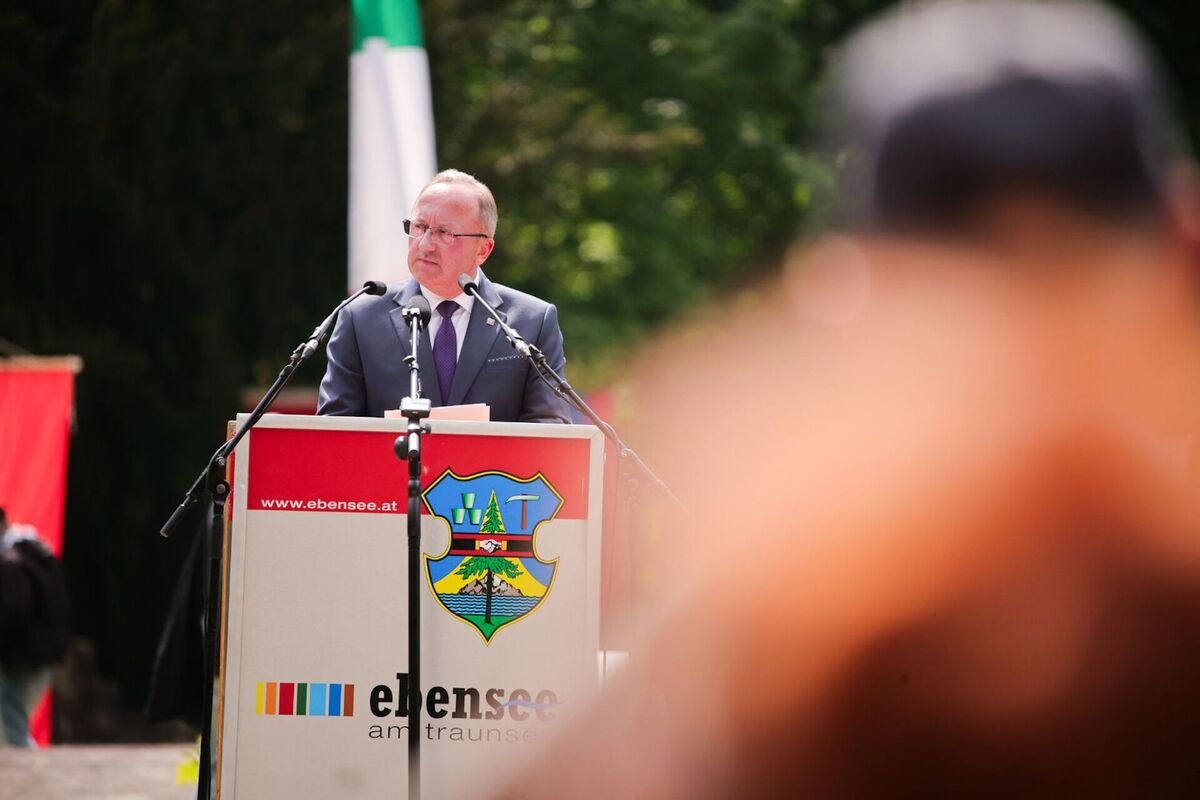
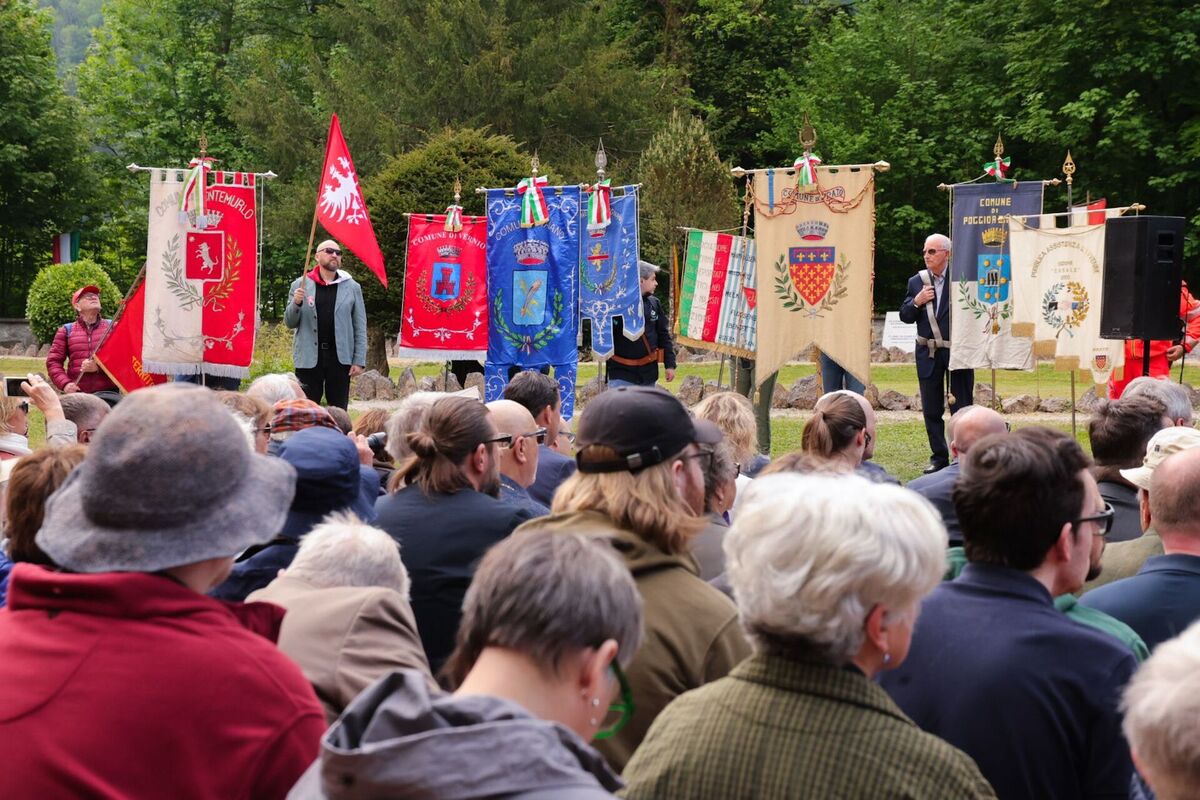
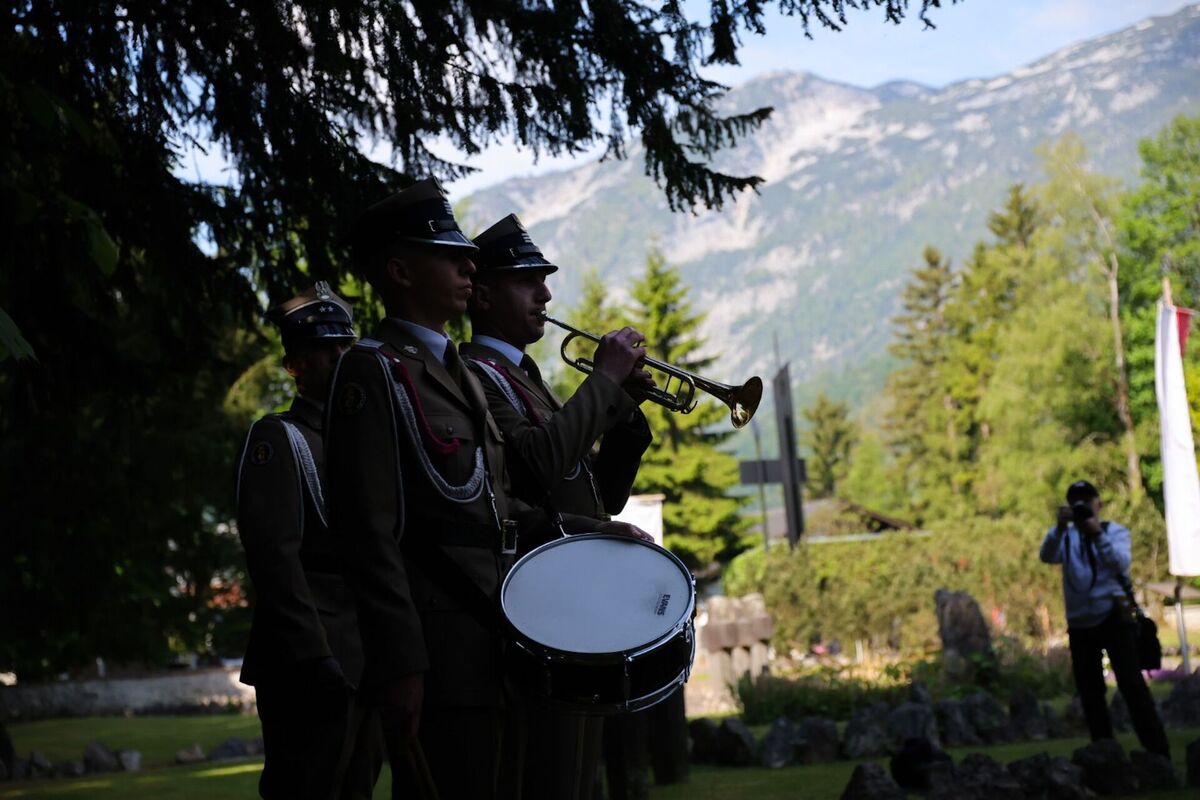
On 9 May 2026, a delegation from the Institute of National Remembrance, led by its Deputy President, Karol Polejowski, took part in commemorative ceremonies honouring the victims of the German concentration camps KL Ebensee and KL Gusen in Austria. The ceremonies formed part of the commemorations marking the 81st anniversary of the liberation of the prisoners of the Mauthausen Gusen concentration camp system.
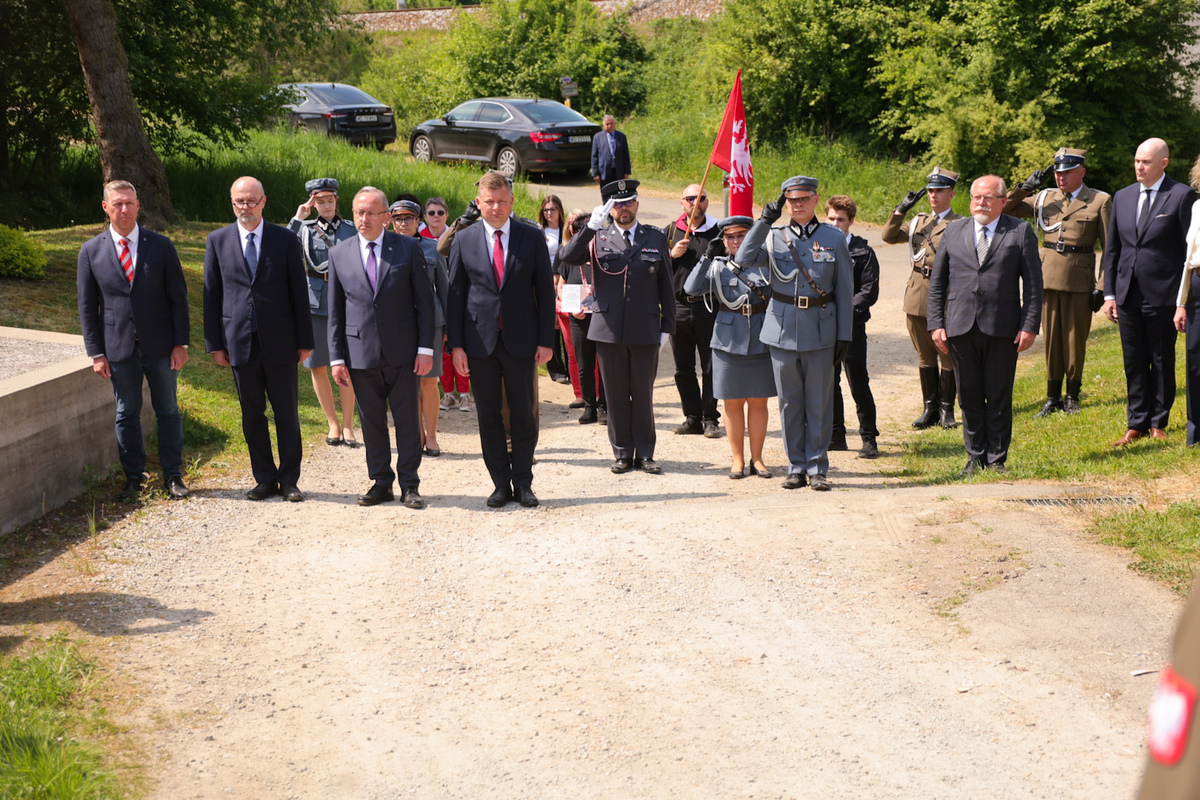
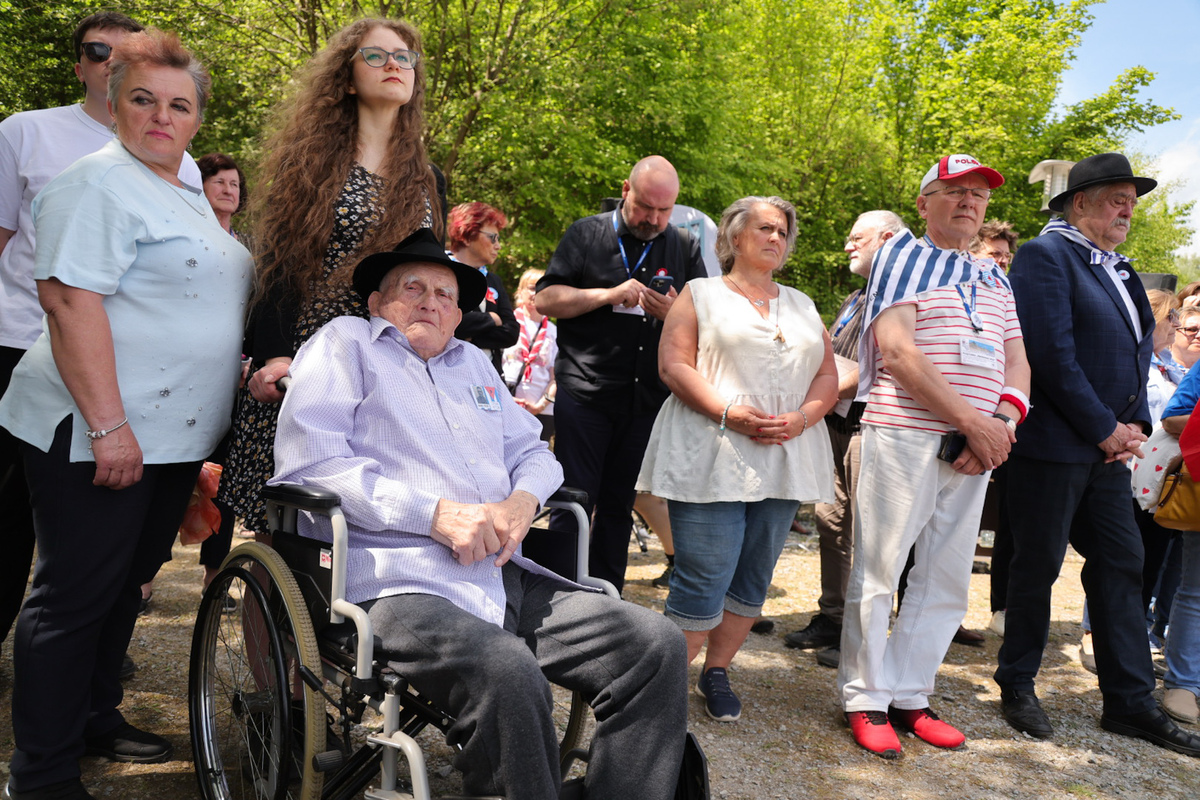
This year’s commemorations commenced with international ceremonies in Ebensee, attended not only by the delegation of the Institute of National Remembrance, but also by representatives of the Polish government administration, the Embassy of the Republic of Poland in Vienna, and the families of Polish victims.
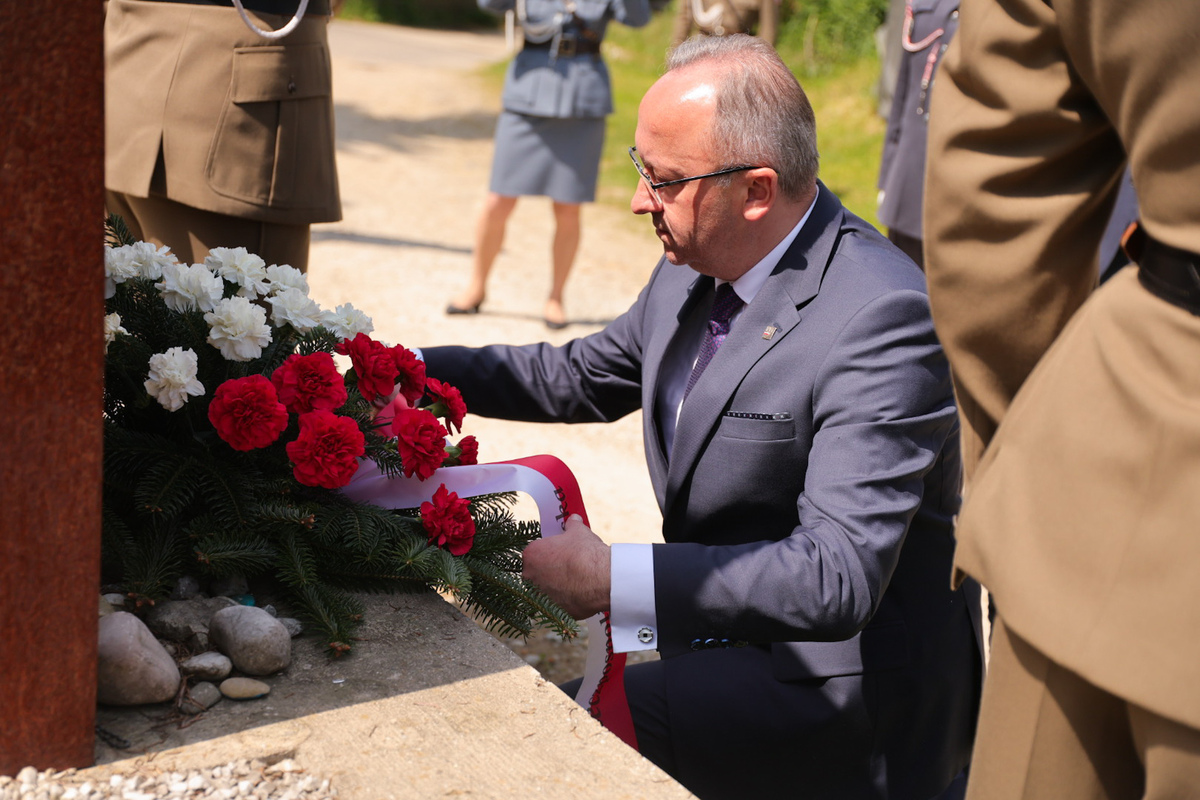
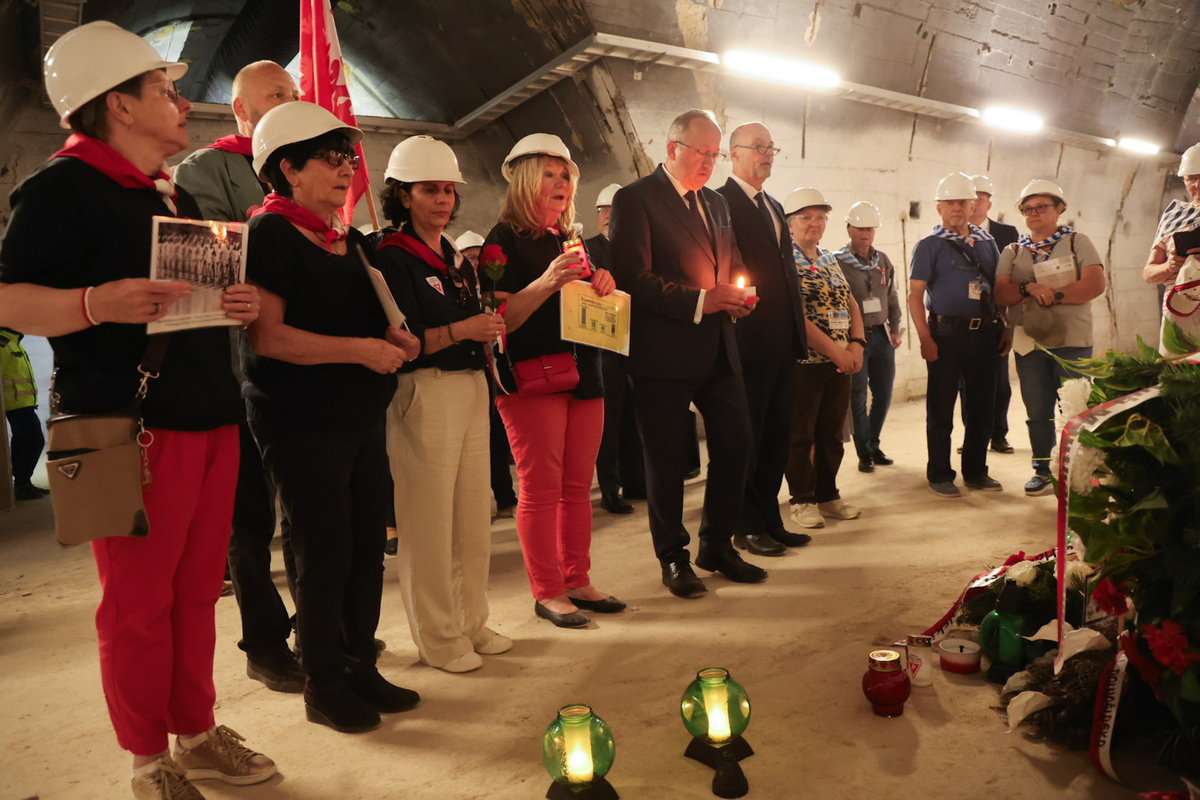
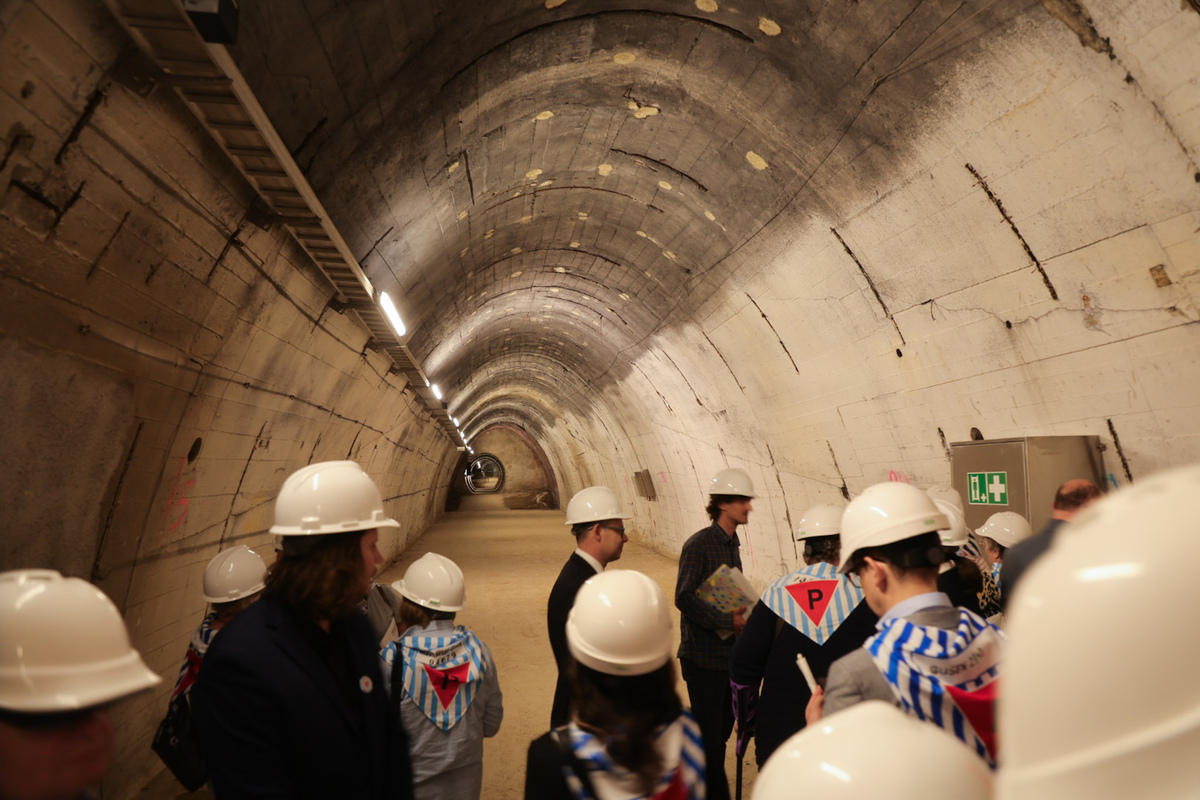
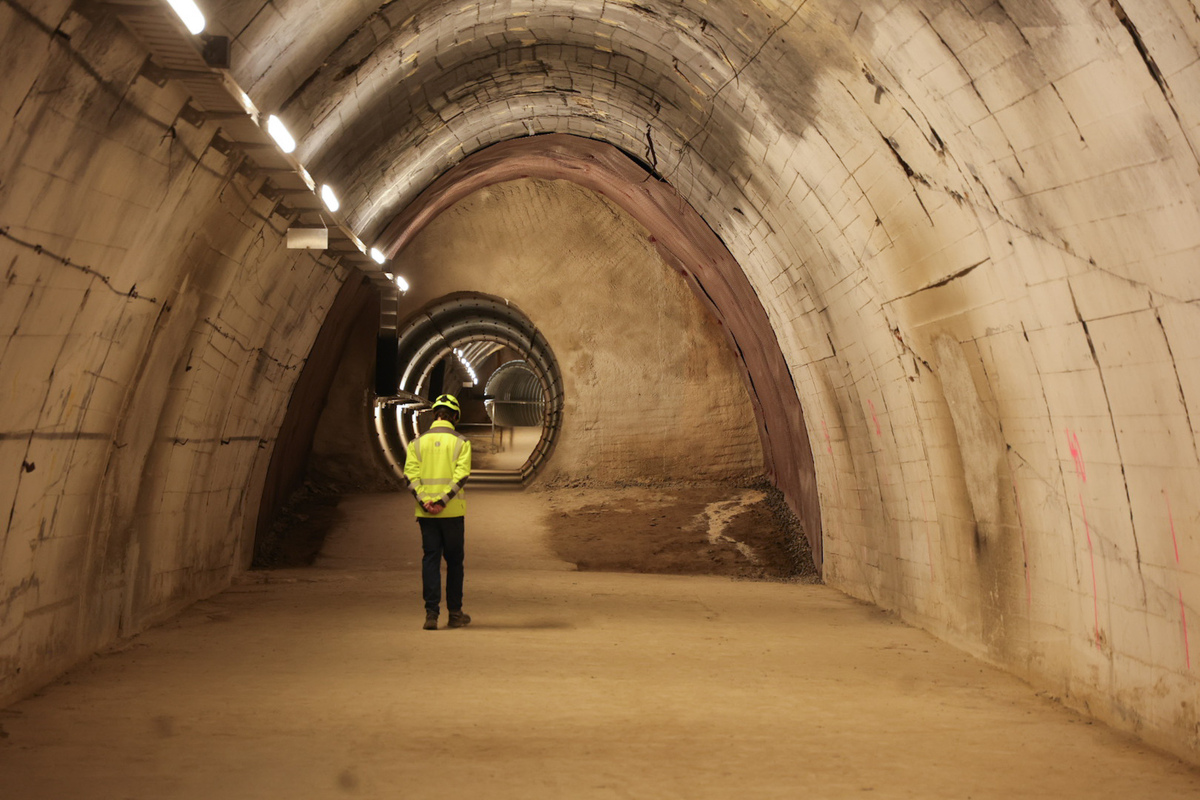
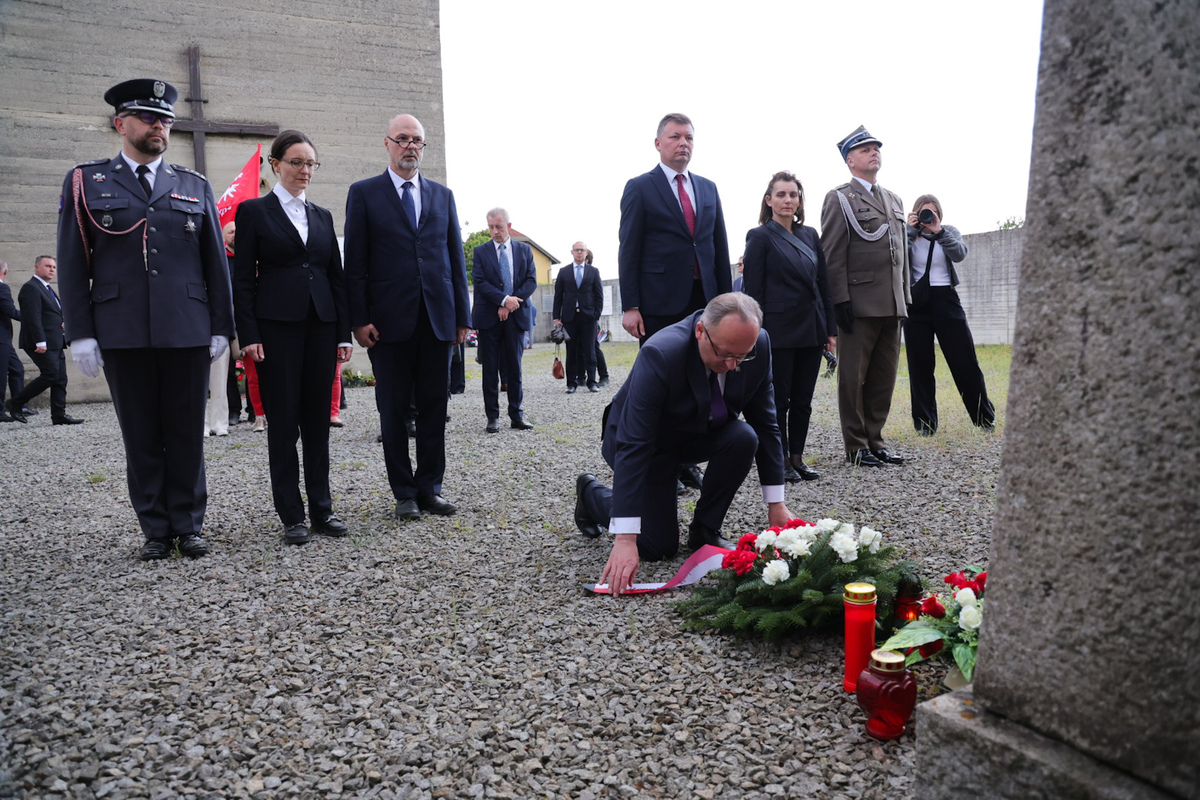
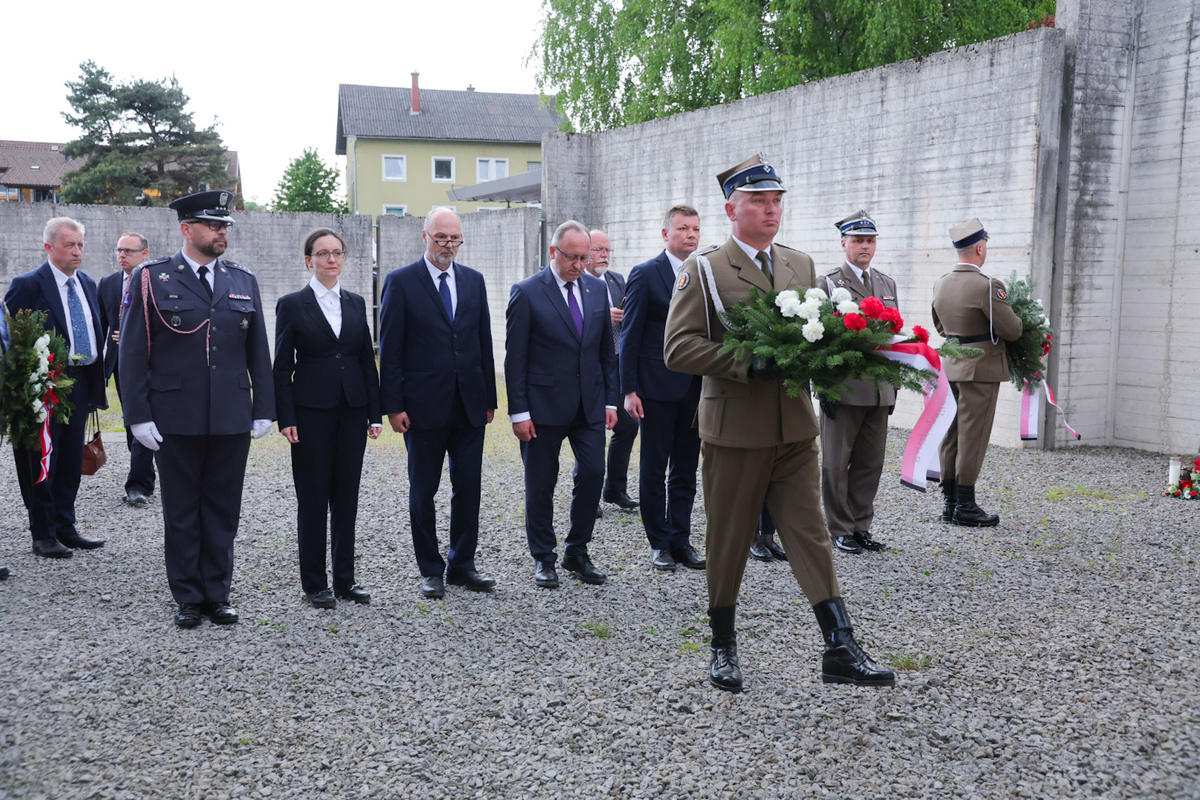
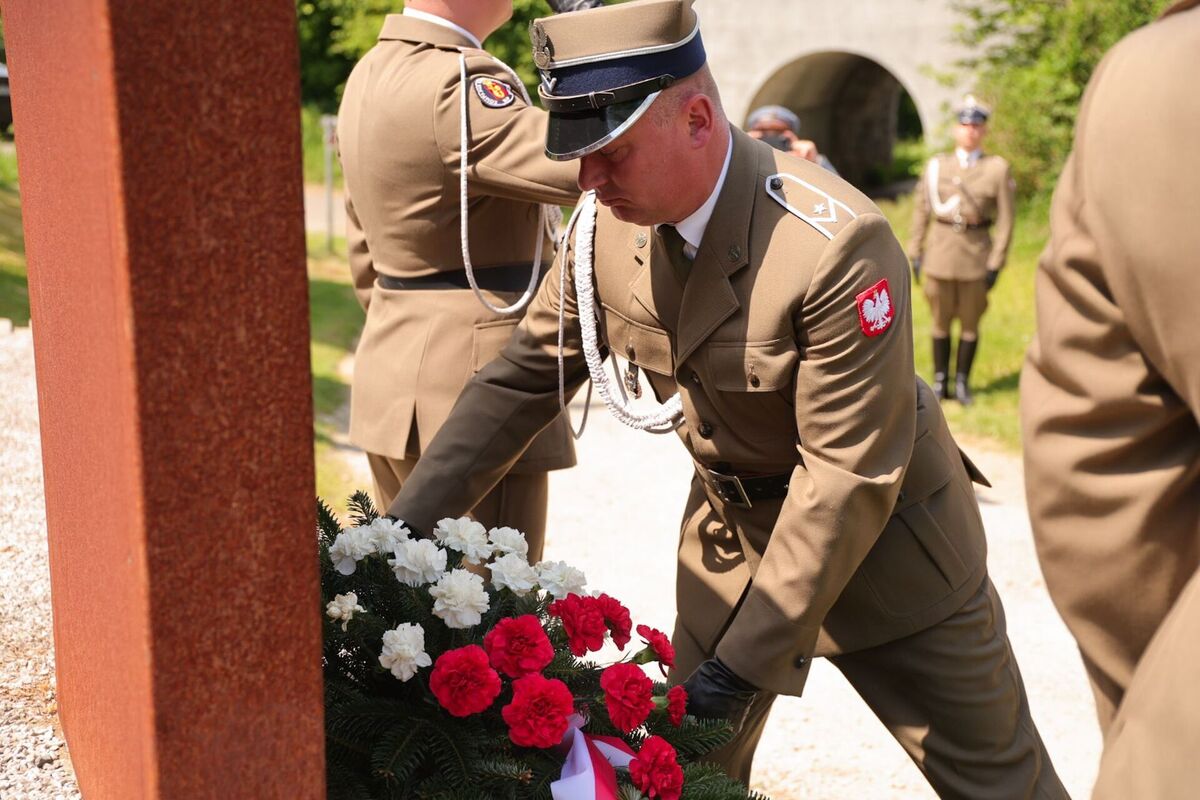
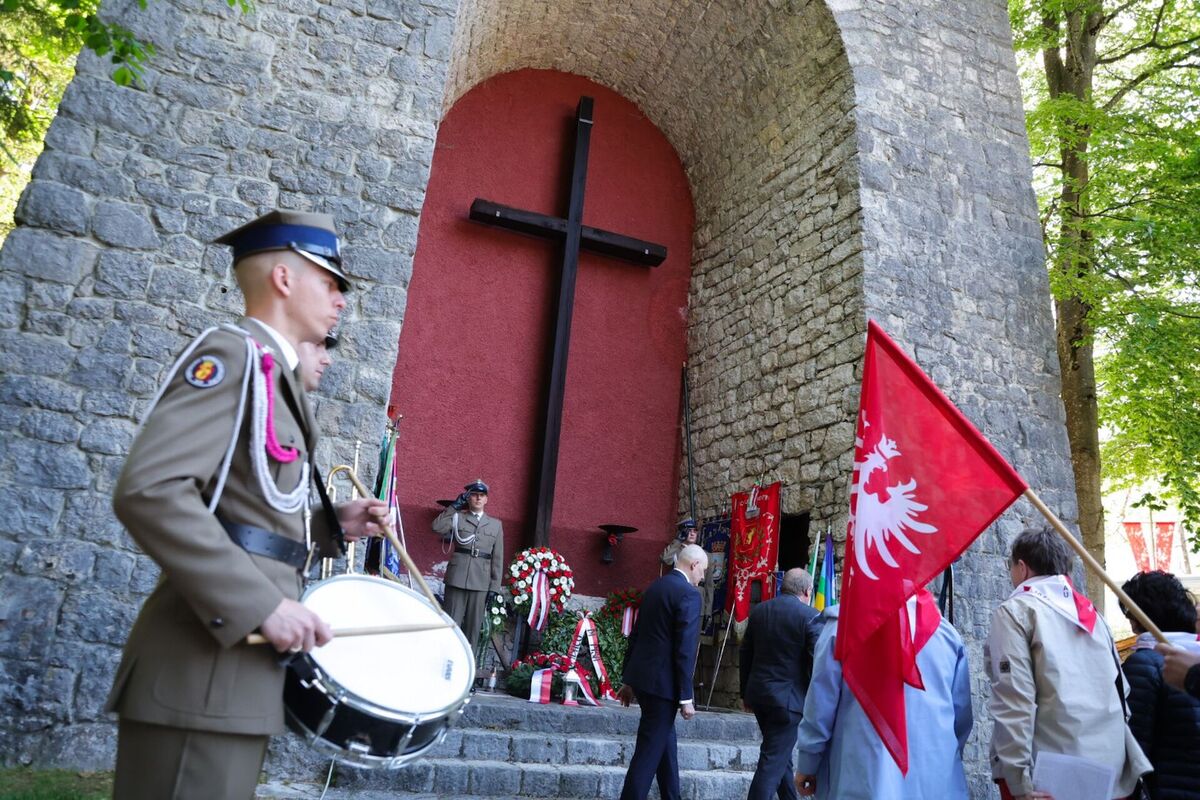
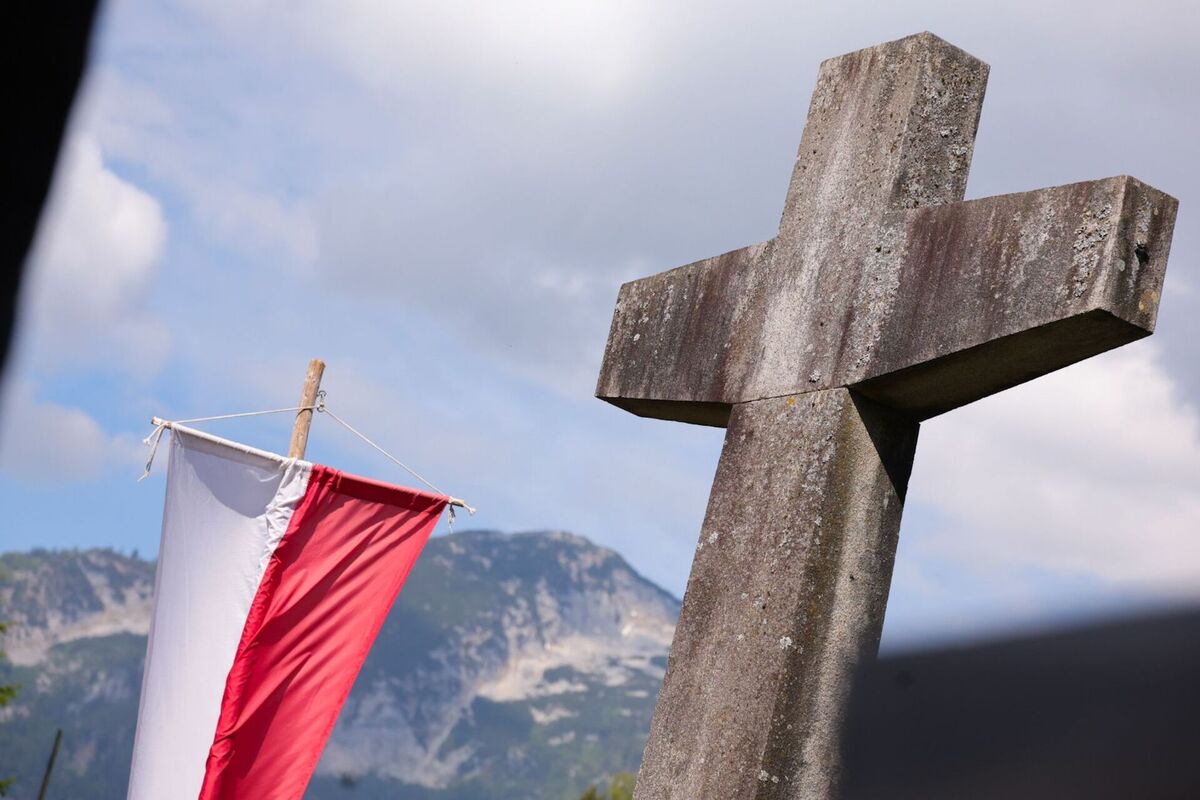
The IPN delegation, headed by Karol Polejowski, laid flowers inside the tunnels excavated by prisoners of Ebensee concentration camp. These tunnels, preserved to this day, remain silent witnesses to the suffering endured by thousands of prisoners of the camp, including many Poles. Following the wreath-laying ceremony, members of the delegation proceeded to the cemetery in Ebensee, situated on the grounds of the former concentration camp, to participate in the main ceremonies commemorating its liberation. It is the final resting place of nearly 3,500 prisoners.
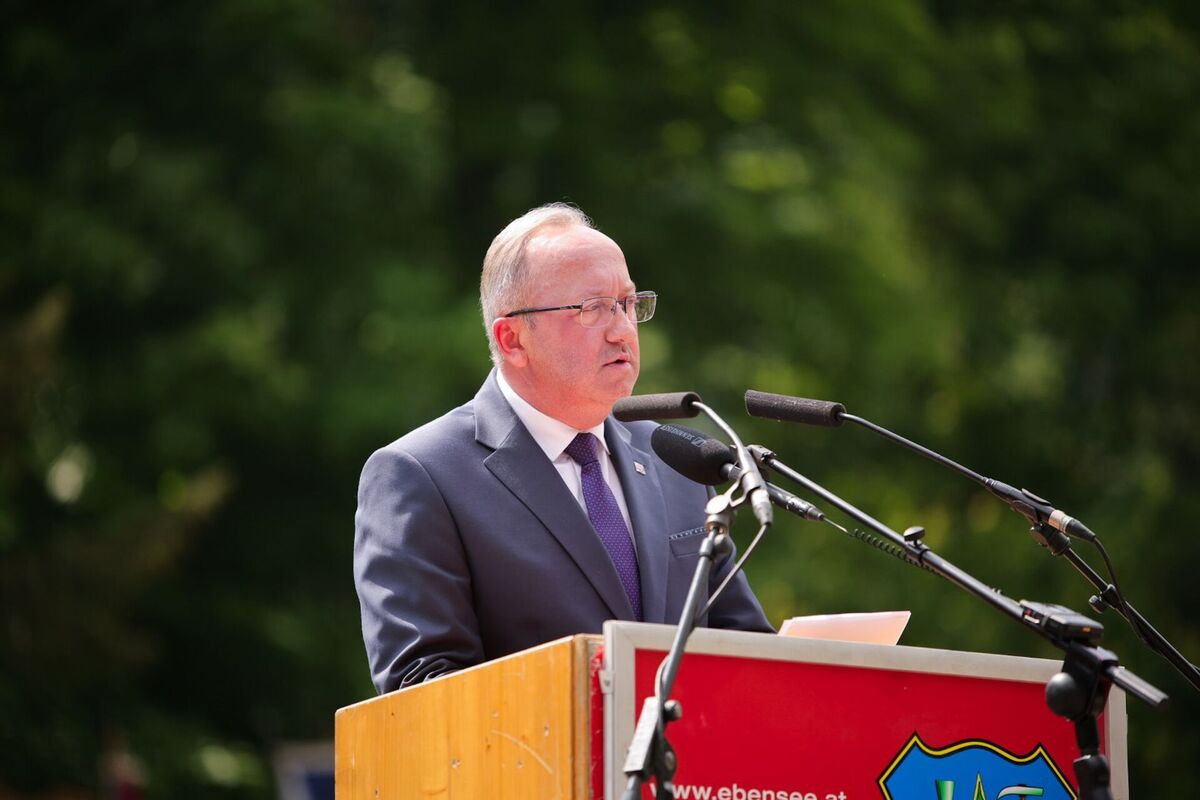
Today, I come here not only as a representative of the Polish nation, which suffered so greatly during the Second World War, but also as the head of the Institute of National Remembrance – the central archival, scholarly, and educational institution devoted to the history of twentieth-century Poland – to pay tribute to all those who were tortured, murdered, and who died here. The memory of KL Ebensee endures, because it lives in the hearts of the victims’ families. It is part of our national “continuity of remembrance”, through which we stand here with you today, calling out for the truth", said the Deputy President of the Institute of National Remembrance, addressing those gathered at the ceremony.
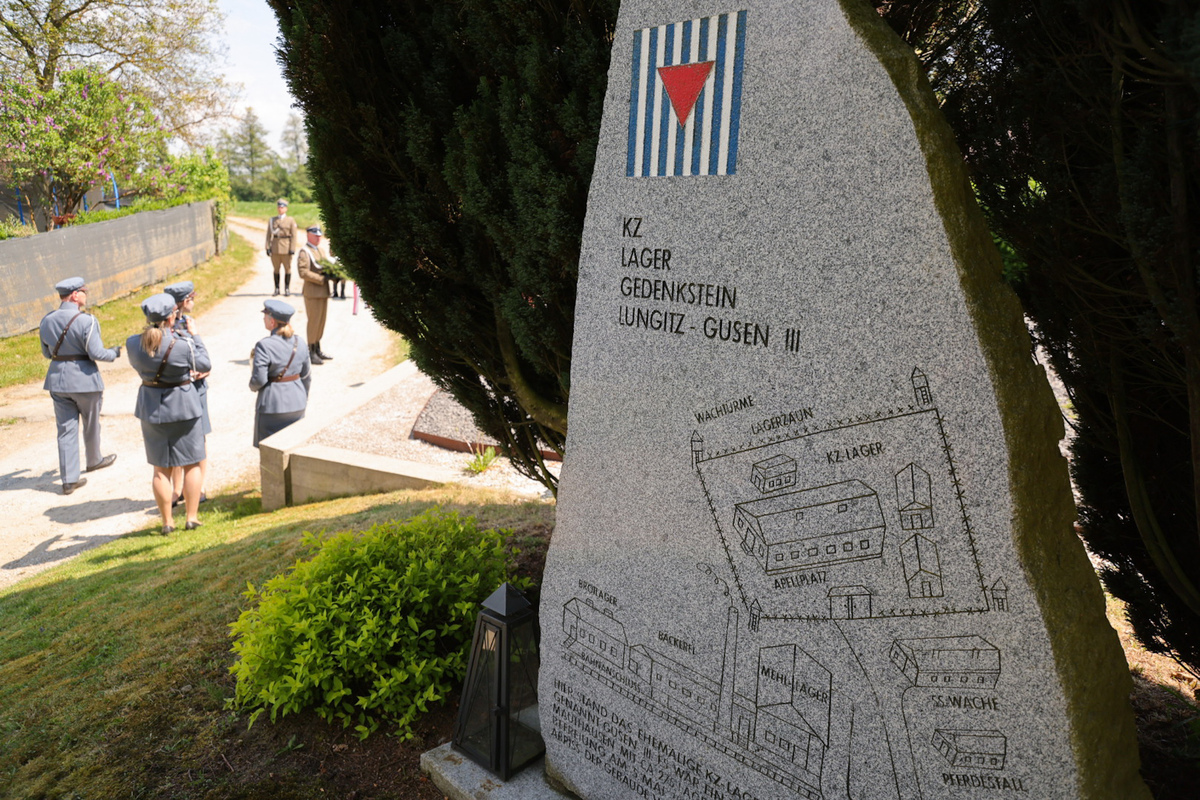
The IPN delegation subsequently paid tribute to the murdered prisoners by laying flowers at the Lungitz – Camp Gusen III memorial site.
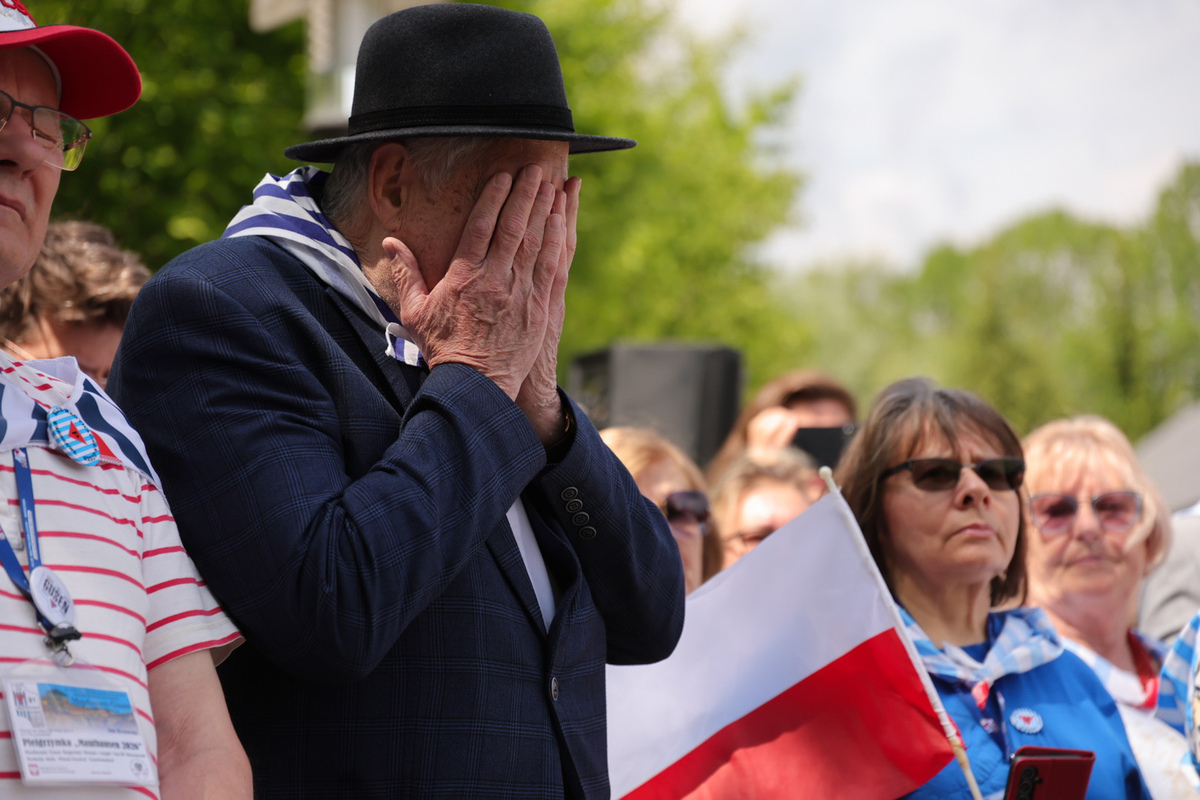
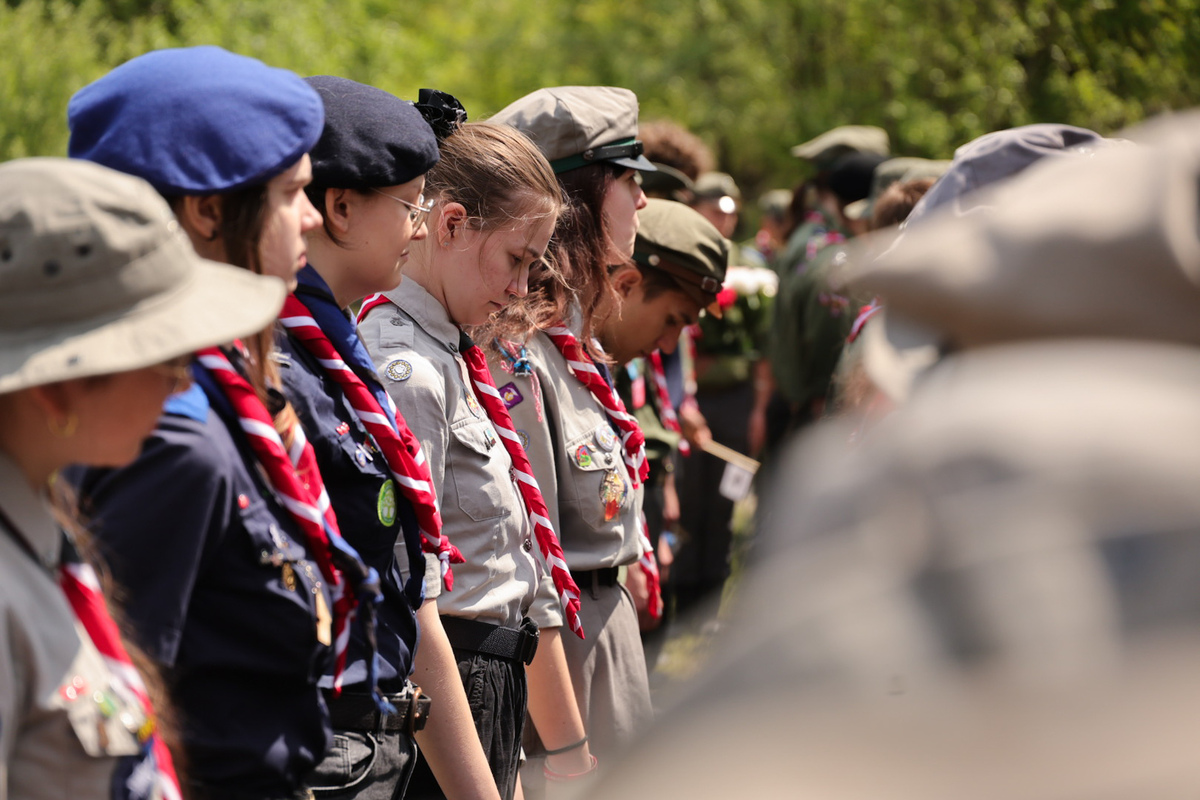
The Deputy President of the Institute of National Remembrance also visited the Bergkristall Memorial Site, the underground complex of armaments factories of the Third Reich constructed by prisoners of Gusen II concentration camp. At the entrance to Bergkristall, the delegation met with representatives of the Polish Scouting Association. The scouts were accompanied by Piotr Kawa, a 106-year-old former prisoner of the German Mauthausen - Gusen concentration camp complex.
“Your presence here is a triumph for those who were murdered. Your presence here stands as testimony that you remember those who came before you. Your presence here is an assurance that the memory of the victims will never fade into oblivion. For this, I extend to you my heartfelt gratitude”- said Deputy President Polejowski when addressing the scouts.
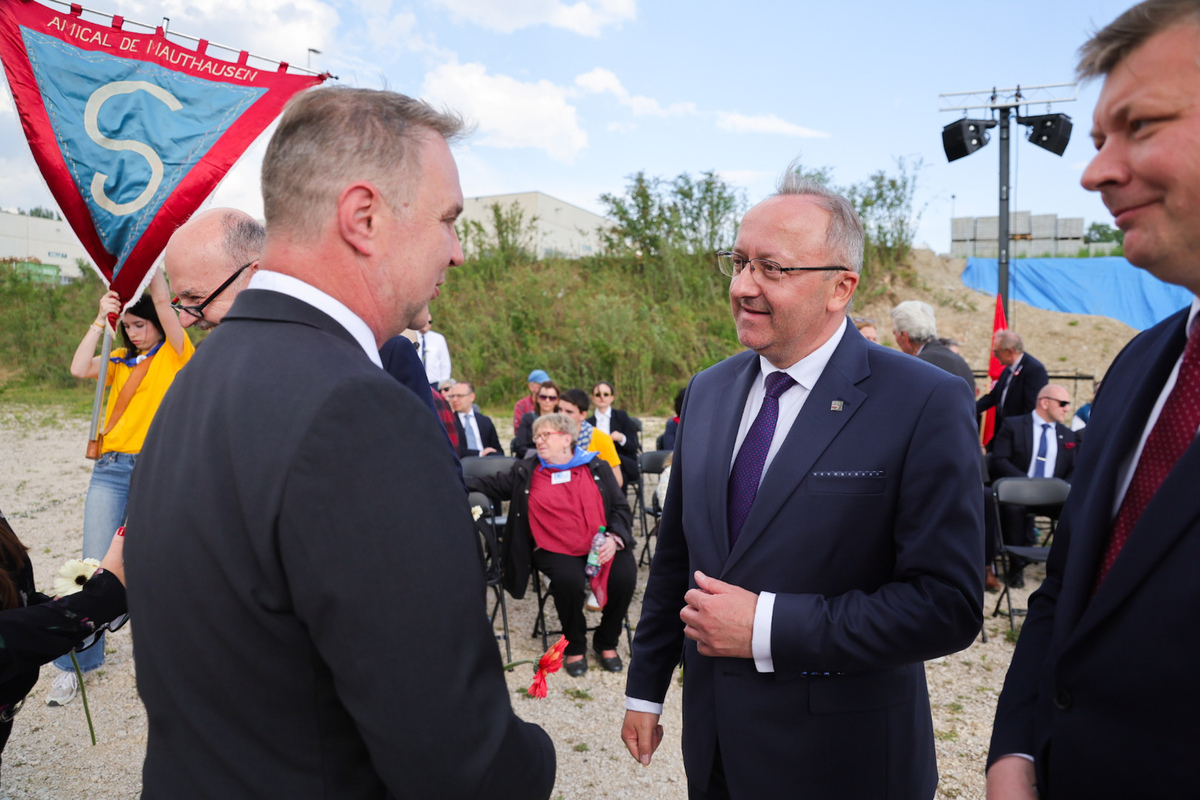
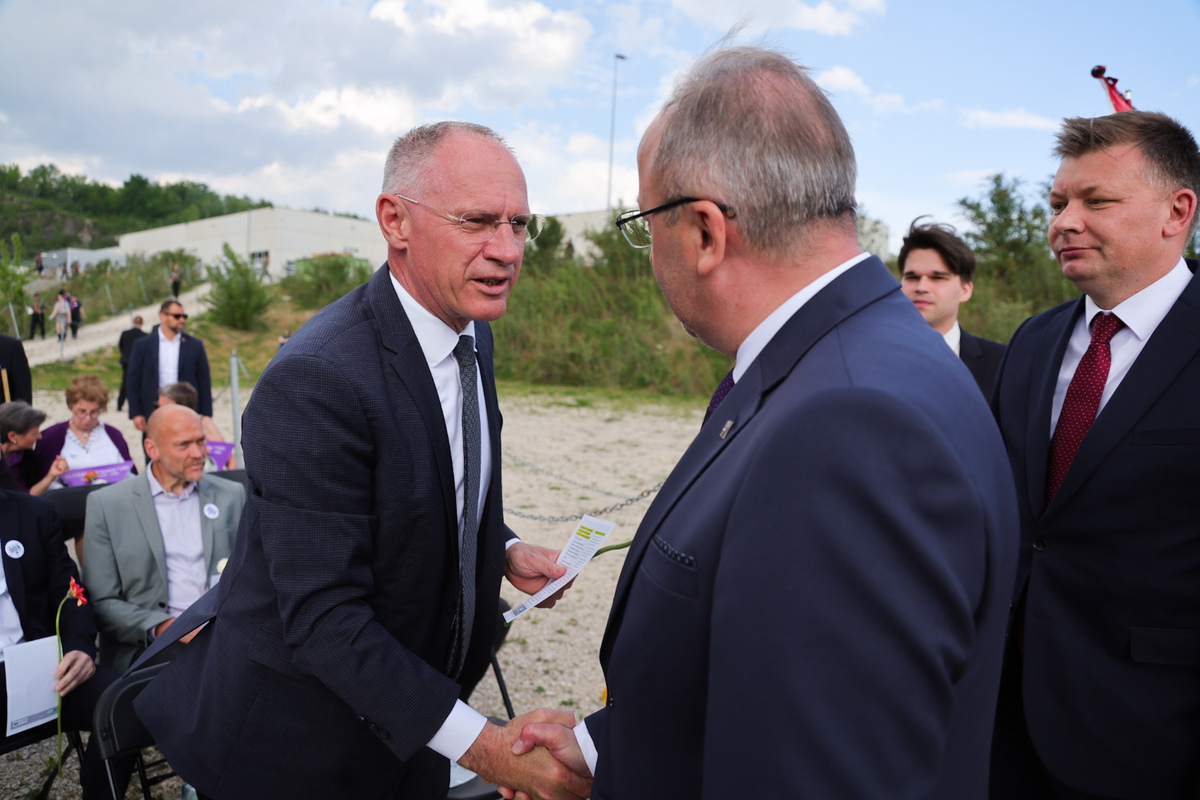
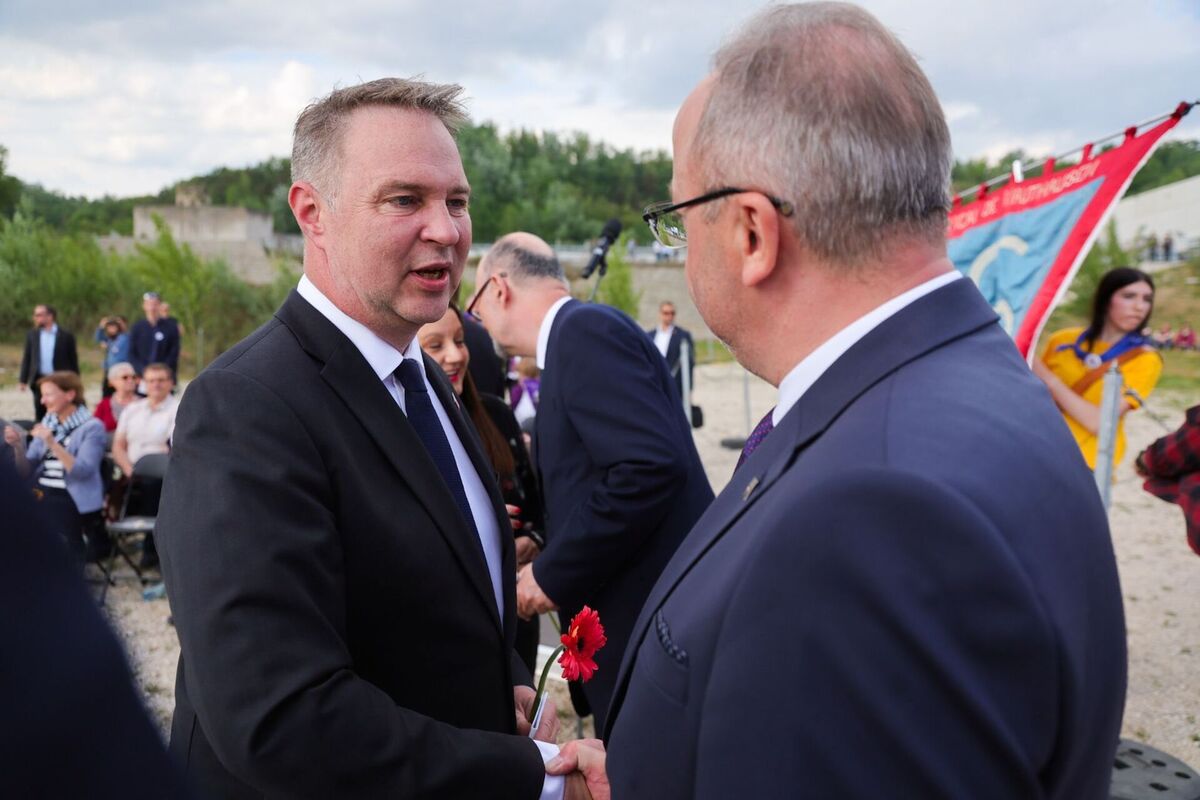
Today’s commemorations marking the 81st anniversary of the liberation of the prisoners of the Mauthausen -Gusen concentration camp system culminated in ceremonies held at the Gusen Memorial. The ceremony was attended by, among others,Andreas Babler, Vice-Chancellor of Austria.
***
Ebensee concentration camp was established by the Germans in Upper Austria as one of several dozen subcamps of the main camp system of KL Mauthausen. The first prisoners arrived there on 18 November 1943, with the purpose of excavating vast underground industrial tunnels in the surrounding mountains. These were intended for research conducted by German scientists aimed at developing the intercontinental missile project A9/A10. Ultimately, however, the completed tunnel system was repurposed for fuel production and for manufacturing components for tank engines from St. Valentin, as well as for truck engines produced by Steyr-Daimler-Puch AG.
Prisoners were registered in the main camp of KL Mauthausen and transferred to Ebensee concentration camp. The climate in the region was extremely harsh. Between 18 November 1943 and 6 May 1945, the SS deported 27,278 men to the camp. Prisoners of more than twenty nationalities were held there, predominantly Poles, Russians, Hungarians, the French, Germans, Italians, Yugoslavs, Greeks, and Czechs, as well as a significant number of Jews.
The conditions in the camp were extremely severe, even harsher than in the parent camp of KL Mauthausen. In the final phase of its operation, cases of cannibalism were reported, while relentless forced labour in the tunnels decimated the prisoner population. Jewish prisoners were reportedly subjected to the harshest treatment, followed by Polish inmates. The camp was liberated on 6 May 1945 by American forces. A total of approximately 8,200 prisoners perished in Ebensee concentration camp; according to unverified figures, around 2,500 of them were Poles, the largest national group among the victims. In 1949, the construction of the present-day residential settlement on the former camp grounds was begun.